Where to go, when to travel and what to expect on your first Zimbabwe safari
Updated 26 October 2026
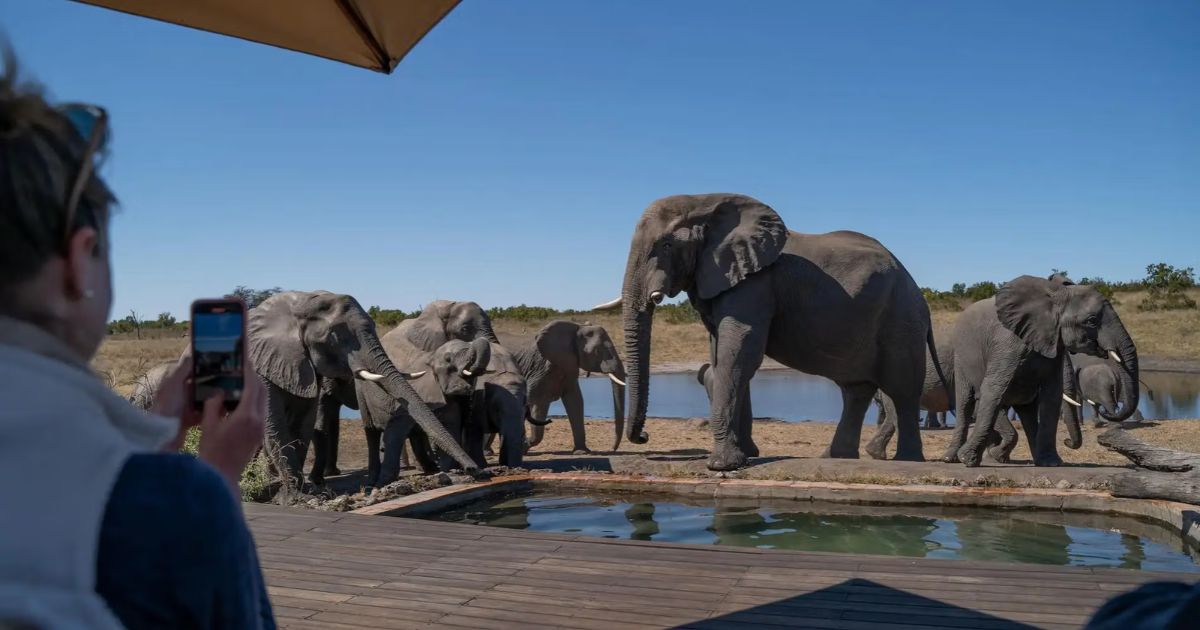
Just after dawn in Hwange National Park, an elephant herd drifts out of the mopane woodland towards a waterhole. The matriarch leads, the calves stay tucked close to their mothers’ legs, and the only sound is the soft crunch of feet on dry earth. There is not another vehicle in sight. That, in a few lines, is the case for a safari in Zimbabwe.
For a first-timer, the choices can feel bewildering. Which park? Which month? Do you need a guide, and what will it cost? This guide answers those questions plainly, drawing on years of travelling through Zimbabwe’s parks, so you can plan a first safari with confidence.
Quick Answer: Where, When and How to Start
- Best park for first-timers: Hwange National Park. It is Zimbabwe’s largest, packed with elephants and predators, and about three hours by road from Victoria Falls.
- Best time to go: July to October. The dry season concentrates wildlife around waterholes and rivers, and the vegetation thins out, making animals easier to see.
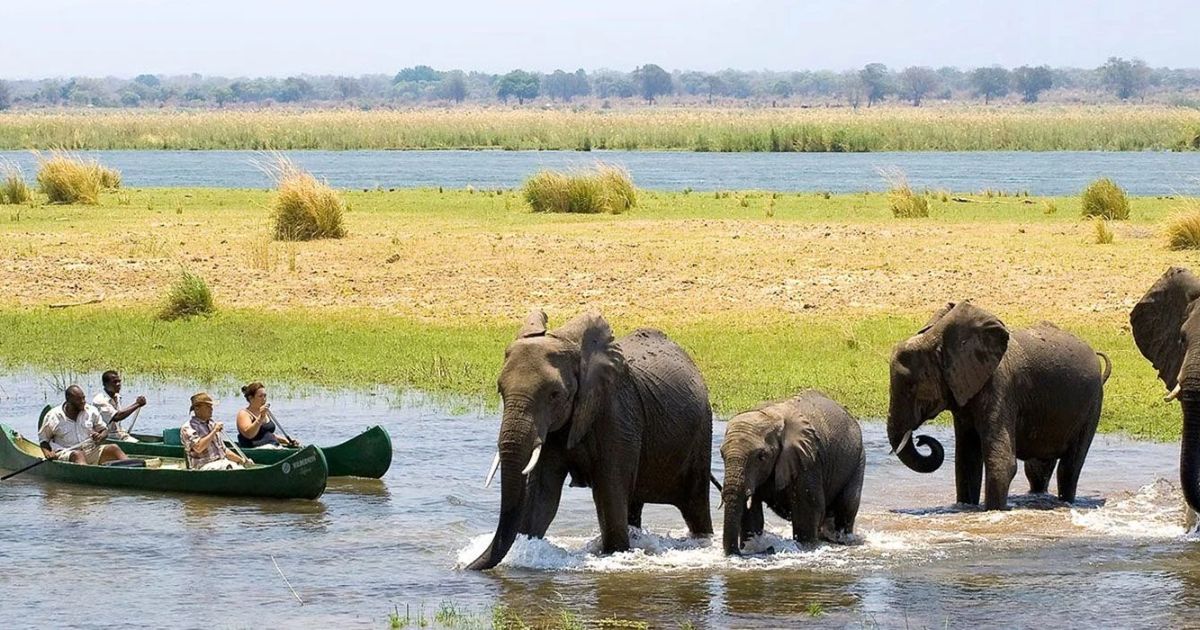
- Best for walking and canoeing: Mana Pools, from June to October. A UNESCO World Heritage Site on the Zambezi, famous for walking among elephants with an experienced guide.
- Best for rhino and landscapes: Matobo National Park. Granite domes, ancient rock art and on-foot rhino tracking, close to Bulawayo.
- How long to stay: Four to five nights on safari, or seven to ten days if you add Victoria Falls.
- How to travel: For a first trip, book a guided, lodge-based safari. It is the simplest way to see more and learn more.
Why Choose Zimbabwe for a First Safari?
Zimbabwe may not have the name recognition of Kenya or Tanzania, but it has several things going for it.
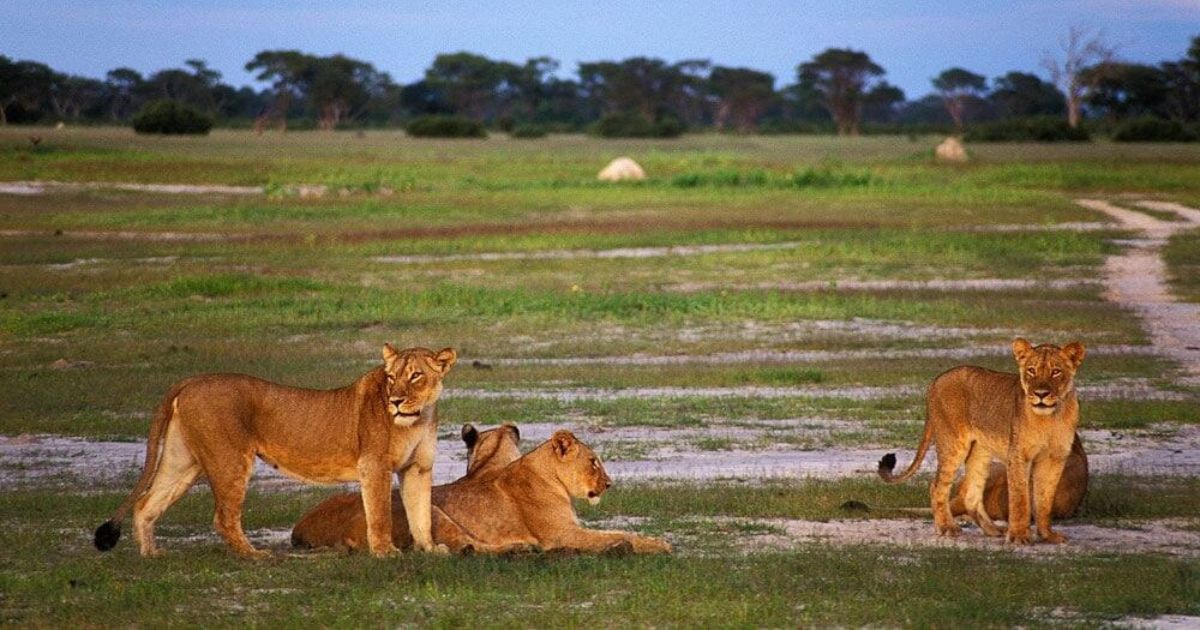
Wildlife and variety. All of the Big Five – elephant, lion, leopard, buffalo and rhino – live in Zimbabwe, alongside giraffe, sable and roan antelope, hippos, crocodiles and the endangered African wild dog, known here as the painted dog. The landscapes change dramatically too, from Kalahari sandveld and Zambezi floodplain to granite hills and red sandstone cliffs.
Fewer crowds. In many of the best areas, you will share a sighting with only a handful of other vehicles, or none at all. That makes the experience quieter and more personal.
Guiding. Zimbabwe has long had a reputation for demanding guide training, and its best guides combine deep ecological knowledge with real field craft. A good guide can turn a drive through the bush into a lesson in tracking, birds, trees and animal behaviour.
Variety of ways to see it. Zimbabwe is one of the few countries where you can follow a guide on foot through big-game country, paddle a canoe down the Zambezi, or sleep on a houseboat on Lake Kariba, all in one trip.
Victoria Falls. The falls sit at the edge of safari country, so you can easily combine the two.
What Is a Safari, Really? A Typical Day
The word “safari” comes from Swahili and simply means a journey. Today it usually means looking for wildlife from an open 4×4 vehicle, led by a trained guide, often with a tracker beside them. Most of the action happens at the edges of the day, when animals are active and the light is soft. A typical day at a lodge runs like this:
- 5:30am: Wake-up call, with tea, coffee and rusks.
- 6:00–10:00am: Morning game drive.
- 10:30am: Brunch back at camp.
- Midday: Rest, read, swim or watch the waterhole from the deck.
- 3:30pm: High tea.
- 4:00–7:00pm: Afternoon drive, usually with a stop for sundowners as the light fades.
- 7:30pm: Dinner, often around a fire.
Night drives are usually possible only in private concessions and reserves, not inside national parks, and are the best time to see leopards, porcupines, bushbabies and other nocturnal animals.
Zimbabwe’s Best Safari Destinations for Beginners
Hwange National Park
Hwange covers about 14,600 sq km, slightly larger than Northern Ireland, and holds one of Africa’s largest elephant populations. In the dry months, boreholes pump water to a network of pans, and the animals come to drink in their hundreds. It is common to see herds of elephant, buffalo, zebra and giraffe in a single morning, with lions and hyenas never far behind.
Hwange is also one of the best places in Africa to see painted dogs, and conservation centres near the park gate help you learn about them. Sable and roan antelope are regularly spotted, and the bird list runs to more than 400 species. Rhino live here too, but you are unlikely to see them.
For beginners, Hwange is hard to beat. It has a wide range of lodges, good roads, expert guides and an easy link to Victoria Falls. Its main camps, concessions and private areas offer everything from self-drive options to fully guided luxury.
Mana Pools National Park
Mana means “four” in Shona, a nod to the four large pools left by the Zambezi as it shifted its course. Together with the neighbouring Sapi and Chewore areas, the park became a UNESCO World Heritage Site in 1984.
The floodplain is flat and open, shaded by tall albida trees, and it is one of the few places in Africa where walking safaris are a standard part of the experience. Here you can watch elephants stand on their hind legs to pluck pods from the branches, or drift past hippos and crocodiles in a canoe.
Mana Pools is more remote, wilder and more demanding than Hwange. It is best from June to October, and many camps close during the rains because roads become impassable. Most first-timers fly in from Harare or Kariba with an operator. Walking and canoeing here should only ever be done with a qualified guide.
Matobo National Park
Matobo, about 35km from Bulawayo, is a world of balancing granite domes and boulder-strewn hills. According to local tradition, the name “Matopos” comes from the Ndebele for “bald heads”. UNESCO recognised the area as a World Heritage Site in 2003 for its cultural landscape and its collection of ancient rock paintings.
Wildlife here is more elusive than in Hwange, but Matobo is one of Zimbabwe’s best places to see leopard and one of the few places to track white and black rhino on foot with a ranger. You can also visit rock-art sites, and walk or drive to World’s View, a viewpoint where Cecil John Rhodes is buried.
It is an excellent add-on for a first trip, especially if you want to combine wildlife with history and scenery. The best months are May to October, when days are mild and the bush is clear.
Lake Kariba and Matusadona National Park
Lake Kariba, one of the world’s largest man-made lakes, offers a gentler kind of safari. Houseboats and lodges on the shore let you watch elephants and buffalo come down to drink, and tiger fishing is a draw in its own right. Matusadona National Park, on the southern shore, is known for its sable, lion and black rhino.
For beginners, Kariba works best as a relaxed addition at the end of a trip, with sunsets over the water and the option to explore by boat. The dry season is best for wildlife.
Gonarezhou National Park
Gonarezhou, in the south-east, is often translated as the “place of elephants”. It is a rugged, remote park of red sandstone cliffs and riverine forest, including the spectacular Chilojo Cliffs, and it is part of the Great Limpopo Transfrontier Park. It is managed in partnership with the Frankfurt Zoological Society.
Gonarezhou is superb, but it is better for a second or third visit. Access is by 4×4 or charter flight, and there are fewer camps and more logistics. Those who make the effort are rewarded with solitude and big elephant herds.
Private Conservancies
Protected areas such as Save Valley and Malilangwe offer exclusive safaris, high guide-to-guest ratios, night drives and strong rhino conservation work. They are generally at the top end of the price scale and best suited to travellers who want a more luxurious or specialist experience.
When Is the Best Time for a Zimbabwe Safari?
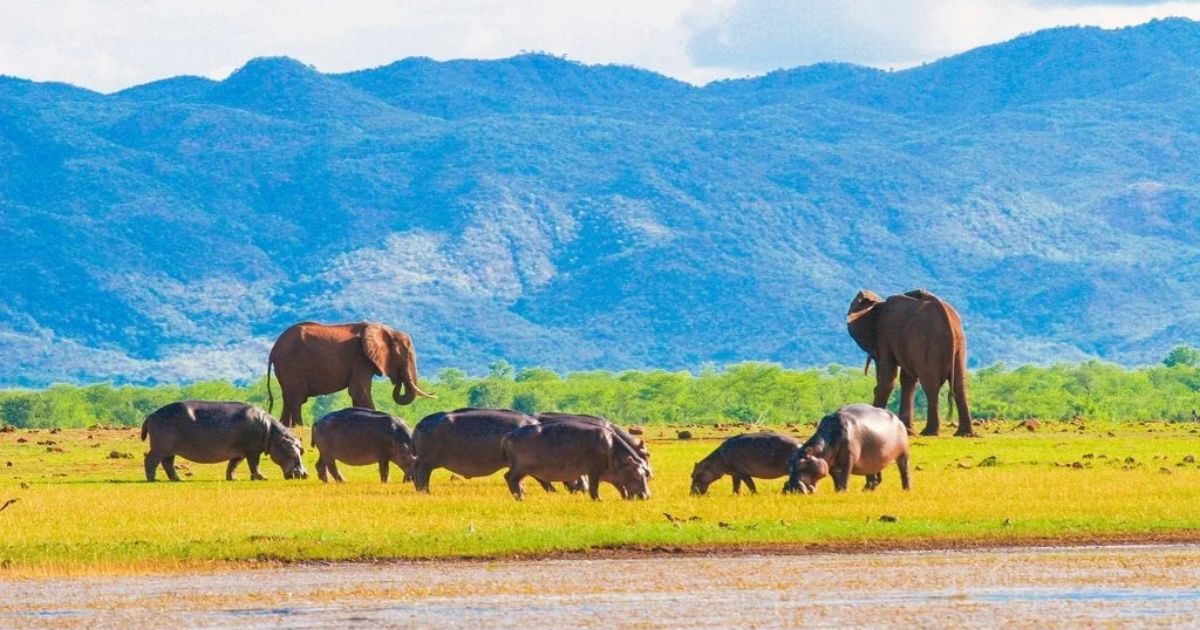
Zimbabwe has two main seasons, and your choice shapes everything from the wildlife you see to the clothes you pack. (For a full breakdown of conditions at the falls themselves, see our guide to the best time to visit Victoria Falls.)
Dry Season (May – October)
This is the classic safari season and the best choice for most first-timers. Rain is rare, and as the weeks pass, natural water sources shrink, drawing animals to rivers, pans and pumped waterholes. The grass is lower, the bush is thinner, and wildlife is easier to see.
- May – June: Cooler and greener, with fewer visitors. Good value, and conditions improve as the season goes on.
- July – September: Peak season. Mornings can be cold, around 5°C in some places, so dress in layers. Game viewing in Hwange is at its best.
- October: Wildlife is at its most concentrated around water, but it is very hot, often above 35°C. Many experienced safari-goers consider this the best month for sightings and the worst for comfort.
Green Season (November – April)
The rains transform Zimbabwe. The bush turns emerald, migrant birds arrive, and many animals give birth. Skies are dramatic, rates are lower and the parks are quiet.
The trade-offs are real. Dense foliage makes animals harder to spot, the weather is hot and humid, and some roads and camps, especially at Mana Pools and Gonarezhou, close. It suits travellers who prioritise birds, photography and savings over big-game density.
In summary: Hwange is best from July to October, Mana Pools from June to October, and Matobo from May to October. For a first trip, dry season is the safest choice.
Guided Safari, Self-Drive or On Foot? Choosing Your Style
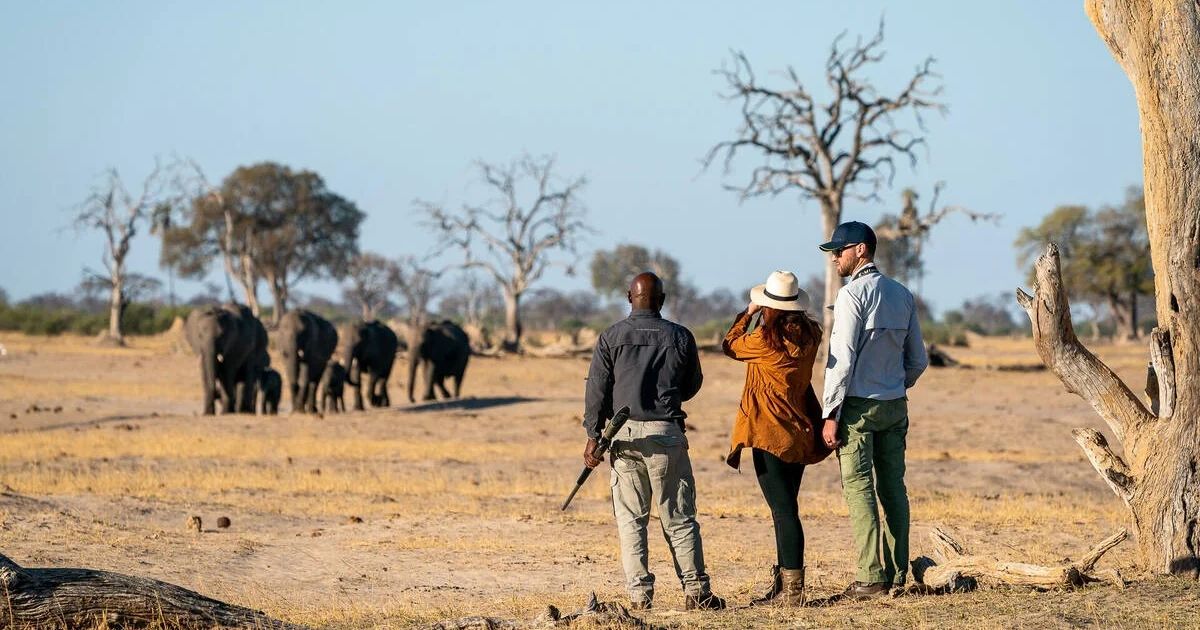
- Lodge-based guided safari: The best option for beginners. A guide finds the animals, explains what you are seeing and keeps you safe. Most visitors to Hwange and Matobo travel this way.
- Self-drive: Possible in parts of Hwange and Matobo, and popular with experienced travellers. You will need a 4×4, a good map, spare fuel and a willingness to be self-reliant. Roads can be rough, and in the rainy season some are impassable. Without a guide, you will see less and learn less.
- Walking safari: A highlight of Zimbabwe. It is slower and more intimate, with a focus on tracks, plants, insects and smaller animals as well as the big ones. Always walk with a licensed guide, and follow their instructions exactly. Many operators set age limits.
- Canoe safari: Gliding down the Zambezi at Mana Pools or above Victoria Falls offers a very different perspective. It is peaceful, but you are close to hippos and crocodiles, so a qualified guide is essential.
How Much Does a Zimbabwe Safari Cost?
Costs vary widely depending on where you stay and how you travel.
- Budget: Camping or self-catering national park lodges, usually with a self-drive vehicle. A few tens of dollars per person per night is possible, but you will do your own planning and cooking.
- Mid-range: Comfortable lodges or tented camps with meals and guided game drives. Expect to pay a few hundred dollars per person per night.
- Luxury: Private concessions and high-end camps, often all-inclusive, with flights, fine dining and top guides. These can run to many hundreds of dollars per person per night.
Before you compare prices, check what is included. Park and conservation fees, drinks, transfers, laundry and tips are sometimes extra. Shoulder months such as May and November often offer better value, and rates can change from year to year.
What to Pack
- Neutral clothing: Khaki, olive, beige and brown. Avoid bright colours, and avoid dark blue and black in tsetse fly areas such as parts of Mana Pools, Matusadona and Gonarezhou, because the flies are attracted to them.
- Layers: Early mornings in winter are cold on an open vehicle, while afternoons can be warm. A fleece, a windproof jacket and a warm hat are worth having.
- Sun protection: A hat, sunglasses and high-factor sunscreen.
- Binoculars: A good pair of 8×42 binoculars will transform your trip.
- Camera or phone: A zoom lens helps, but a modern phone will do. Bring spare batteries or a power bank.
- Insect repellent: Essential, especially around dusk and near water.
- Soft bags: If you will be flying between camps in light aircraft, luggage limits are tight, often 15 to 20kg, and bags must be soft-sided.
- Small torch and a reusable water bottle.
Safari Etiquette and Safety for First-Timers
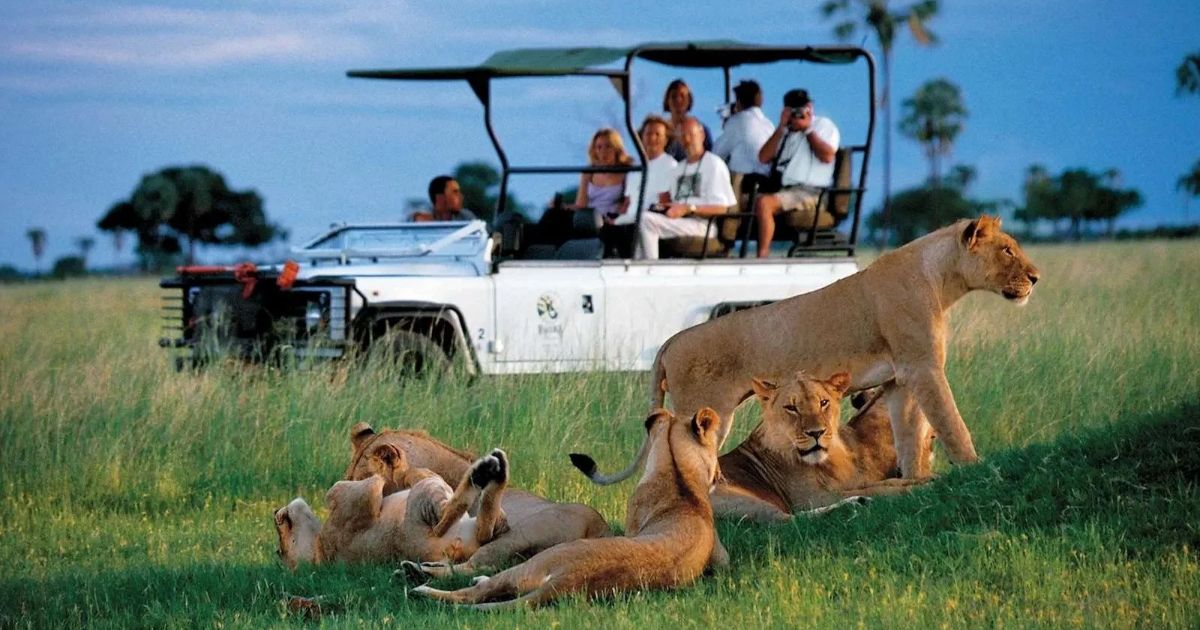
- Stay in the vehicle unless your guide says otherwise, and keep arms and legs inside.
- Keep your voice low and avoid sudden movements. Animals are wild, and quiet visitors see more.
- Never feed wildlife, and don’t leave litter.
- Switch off camera flash, especially at night.
- Follow your guide’s instructions at all times, particularly on walking safaris and near elephants, buffalo or hippos.
- At camp, you will usually be escorted to your tent after dark, because wild animals can wander through unfenced camps. Take the advice seriously.
Health, Visas and Money
- Malaria: Hwange, Mana Pools, Kariba and Gonarezhou are in malaria areas, and the risk is generally higher in the rainy season. Speak to a doctor or travel clinic about prophylaxis and bite prevention well before you travel.
- Vaccinations: Check routine and recommended vaccines, and whether you need a yellow fever certificate based on the countries you have travelled through.
- Visas: Many visitors can obtain a visa on arrival or online, and a KAZA UniVisa has allowed travel between Zimbabwe and Zambia on one visa. Requirements change, so check before you travel.
- Money: US dollars are widely used in Zimbabwe alongside the local currency. Carry small notes for tips and small purchases, and ask your lodge which cards are accepted. Card and mobile coverage can be patchy in remote areas.
- Insurance: Take out travel insurance that includes emergency medical evacuation, since many parks are far from major hospitals.
Choosing a Responsible Operator
A good operator makes a safari safer and more rewarding. Look for licensed, experienced guides, clear safety procedures and transparent pricing. Ask how the lodge supports local communities and conservation.
Zimbabwe also has regulated trophy hunting in some concessions, which is a contested issue. If it matters to you, ask whether your lodge operates in a photographic area.
Tipping is customary. Ask your operator for guidance on how much to leave for guides and camp staff, and carry small US dollar notes.
Sample Itineraries
Seven Days: Victoria Falls and Hwange
- Days 1–3: Victoria Falls. See the falls, take a sunset cruise on the Zambezi, and consider a helicopter flight.
- Days 4–6: Hwange National Park. Three nights with morning and afternoon game drives.
- Day 7: Return to Victoria Falls for your onward flight.
Ten Days: Add Matobo
- Days 1–3: Victoria Falls.
- Days 4–6: Hwange National Park.
- Day 7: Travel to Bulawayo, a drive of roughly four to five hours (note that the road is bad, so the trip might take a bit longer).
- Days 8–9: Matobo National Park, with rhino tracking and rock art.
- Day 10: Fly onward from Bulawayo or Harare.
Ten Days: Mana Pools and the Falls
- Day 1: Harare.
- Days 2–5: Mana Pools, reached by light aircraft. Walking and canoe safaris.
- Days 6–9: Victoria Falls, with optional Hwange side trip.
- Day 10: Depart from Victoria Falls.
Zimbabwe Safari Destinations at a Glance
Conditions vary by year and operator. Treat this as a guide, not a guarantee.
| Destination | Best for | Best months | Key wildlife | Getting there | Beginner rating |
|---|---|---|---|---|---|
| Hwange | Classic game drives, elephants, painted dogs | July–October | Elephant, lion, buffalo, giraffe, painted dog | About three hours by road from Victoria Falls, or fly in | Excellent |
| Mana Pools | Walking and canoe safaris | June–October | Elephant, lion, hippo, crocodile, painted dog | Light aircraft from Harare or Kariba, or a long 4×4 drive | Good, with a guide |
| Matobo | Rhino tracking, leopards, rock art | May–October | Rhino, leopard, klipspringer, birds of prey | Around 35km from Bulawayo | Very good |
| Kariba and Matusadona | Houseboats, relaxed lake safaris | May–October | Elephant, buffalo, hippo, black rhino | Boat or flight from Kariba town | Good |
| Gonarezhou | Remote wilderness, big elephant herds | May–October | Elephant, buffalo, lion, antelope | 4×4 or charter flight | Better for second trip |
| Victoria Falls and Zambezi National Park | Falls, river safaris and short game drives | May–October | Elephant, hippo, sable, buffalo | Victoria Falls Airport | Excellent |
| Save Valley and Malilangwe | Private, high-end safaris with rhino | May–October | Rhino, lion, elephant, leopard | Charter flight or long drive | Good, premium |
Frequently Asked Questions
Is Zimbabwe good for a first safari?
Yes. It combines strong wildlife viewing, experienced guides and good-value lodges, with the option to add Victoria Falls. Hwange is the best starting point for most first-timers.
What is the best month for a Zimbabwe safari?
September is often the sweet spot, with excellent sightings and slightly less heat than October. July and August are also superb, though mornings are cold.
How many days do I need?
Four to five nights is enough for a first safari. Add three nights at Victoria Falls for a seven- to ten-day trip.
Hwange or Mana Pools for first-timers?
Hwange is easier, more accessible and offers a wider choice of lodges. Mana Pools is wilder and better for walking and canoeing, so it often suits second trips or more adventurous travellers.
Do I need a guide?
For a first safari, yes. A guide finds animals, explains behaviour and keeps you safe. Self-drive is possible in some parks but is best left to experienced visitors.
Is Zimbabwe safe for tourists?
Safari areas and tourist towns are generally welcoming and well used to visitors. As anywhere, take sensible precautions, follow your operator’s advice and check your government’s latest travel guidance before you go.
Can I combine a safari with Victoria Falls?
Yes, and most visitors do. Hwange is about three hours from the falls, and Chobe National Park in Botswana can be visited as a day trip.
Do I need malaria tablets?
Most safari areas are in malaria zones, so speak to a doctor or travel clinic well before you travel.
Can I see the Big Five in Zimbabwe?
Yes, though rhino are the hardest to find. Matobo, Matusadona and private conservancies such as Save Valley and Malilangwe offer your best chances.
The Verdict
A first safari should leave you with more than a camera roll. It should leave you with a sense of the place: the smell of woodsmoke at dawn, the low rumble of elephants at a waterhole, the way a good guide reads a track in the sand. Zimbabwe delivers that in abundance.
Start with Hwange and Victoria Falls, travel between July and October, and book a guided lodge. Then, once the bush has got into your bones, return for Mana Pools, Matobo or Gonarezhou. You will not be a beginner for long.