
Rhinos Return to Matusadona National Park
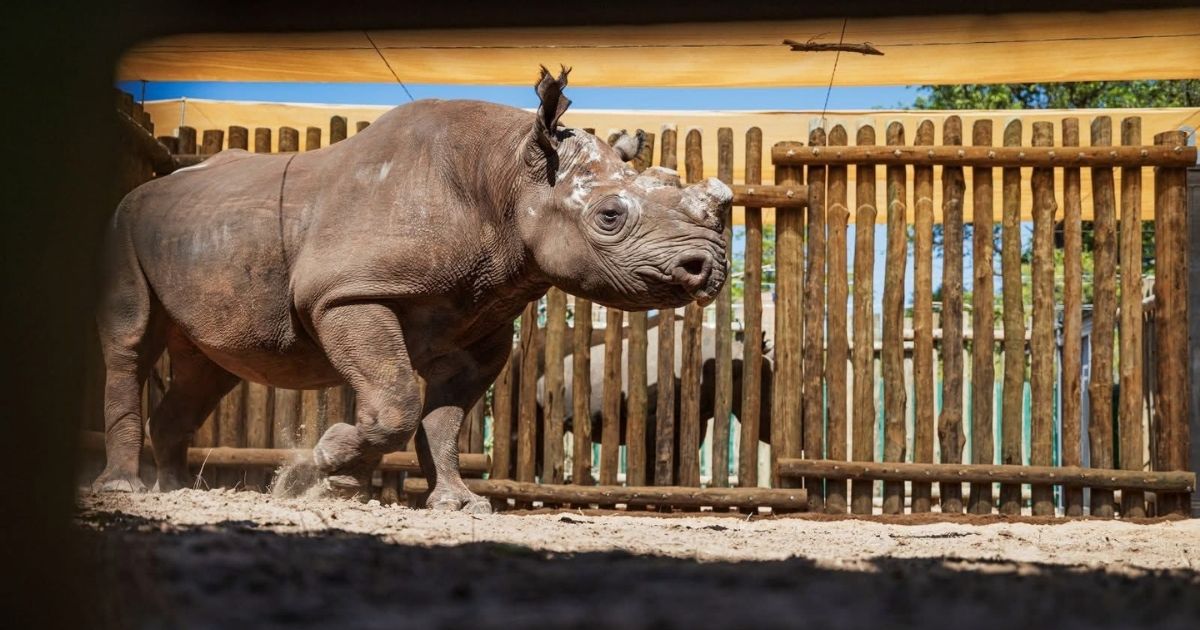
Zimbabwe has marked a major conservation milestone with the return of black rhinos to Matusadona National Park, a move hailed as one of the country’s most significant wildlife restoration achievements in recent decades.
The historic translocation operation, led by the Zimbabwe Parks and Wildlife Management Authority (ZimParks), Matusadona National Park and conservation organisation African Parks, signals a new chapter for one of Zimbabwe’s most important protected areas.
The return of the iconic species to the Matusadona landscape, where rhinos once roamed freely before local extinction, is being celebrated as a triumph of long-term conservation planning, strong partnerships and sustained investment in wildlife protection.
Conservationists say the initiative not only restores a missing piece of the park’s natural heritage but also strengthens Zimbabwe’s broader efforts to secure the future of one of Africa’s most endangered animals.
A Historic Moment for Zimbabwe Conservation
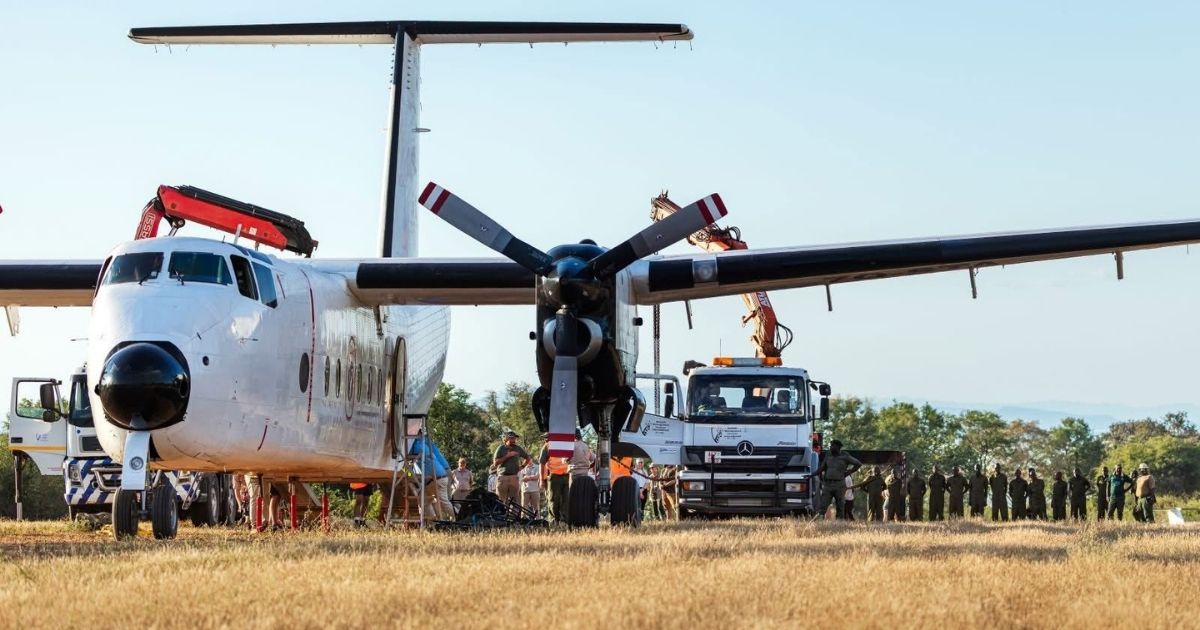
Announcing the development, ZimParks Director General Professor Edson Gandiwa described the return of black rhinos to Matusadona as a landmark achievement for the country’s conservation sector.
“The return of black rhino to Matusadona National Park is a historic event and a proud moment for Zimbabwe’s conservation efforts,” said Gandiwa.
“It is a testament to what is possible when government, conservation organisations, and local partners work together with a shared purpose.”
The operation forms part of Zimbabwe’s National Rhino Strategy, which seeks to expand and secure rhino populations through carefully managed breeding populations across the country.
Officials say the newly established founder population in Matusadona is expected to grow over the coming years and contribute to a larger national metapopulation network, helping ensure the species’ long-term survival.
Why Matusadona National Park Matters
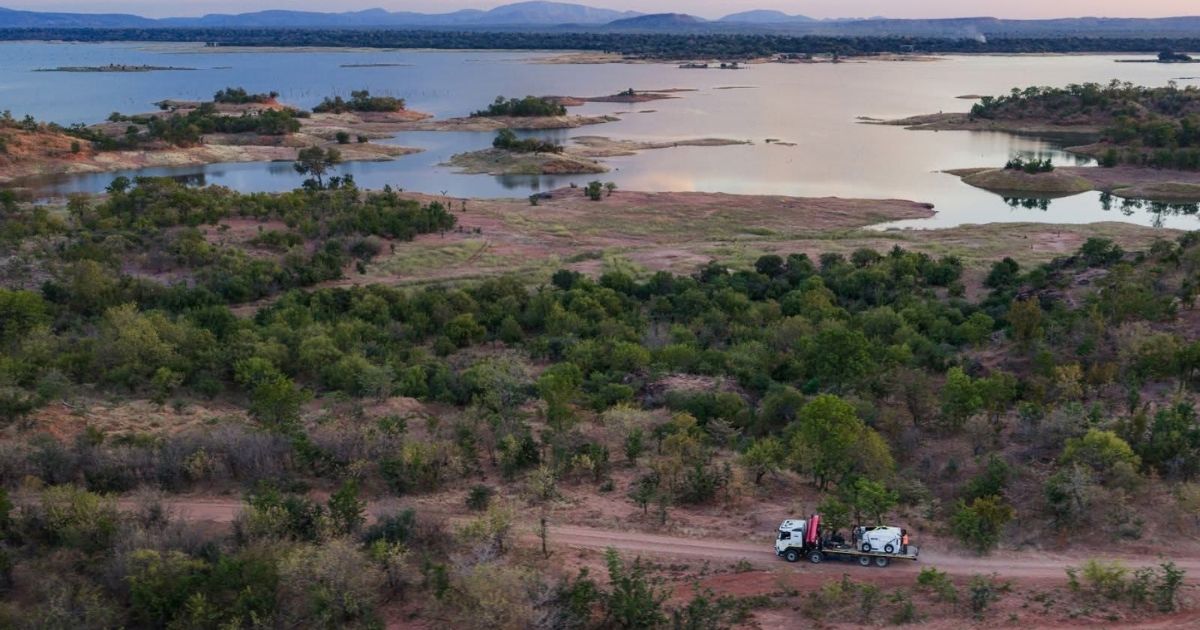
Located on the southern shores of Lake Kariba in northern Zimbabwe, Matusadona National Park is one of the country’s most scenic and ecologically important protected areas.
Covering more than 1,400 square kilometres, the park is renowned for its dramatic landscapes, which combine lakefront ecosystems, floodplains, woodlands and rugged escarpment terrain.
The park supports a wide variety of wildlife, including elephants, lions, buffalo, leopards, hippos and numerous antelope species.
It was once also home to thriving rhino populations before poaching pressures and other challenges led to their disappearance from the area.
In recent years, extensive conservation work has transformed Matusadona into one of southern Africa’s most promising wildlife recovery landscapes.
African Parks assumed management responsibilities in partnership with ZimParks in 2019, leading to major investments in law enforcement, infrastructure, ecological restoration and community engagement.
The Importance of Black Rhinos
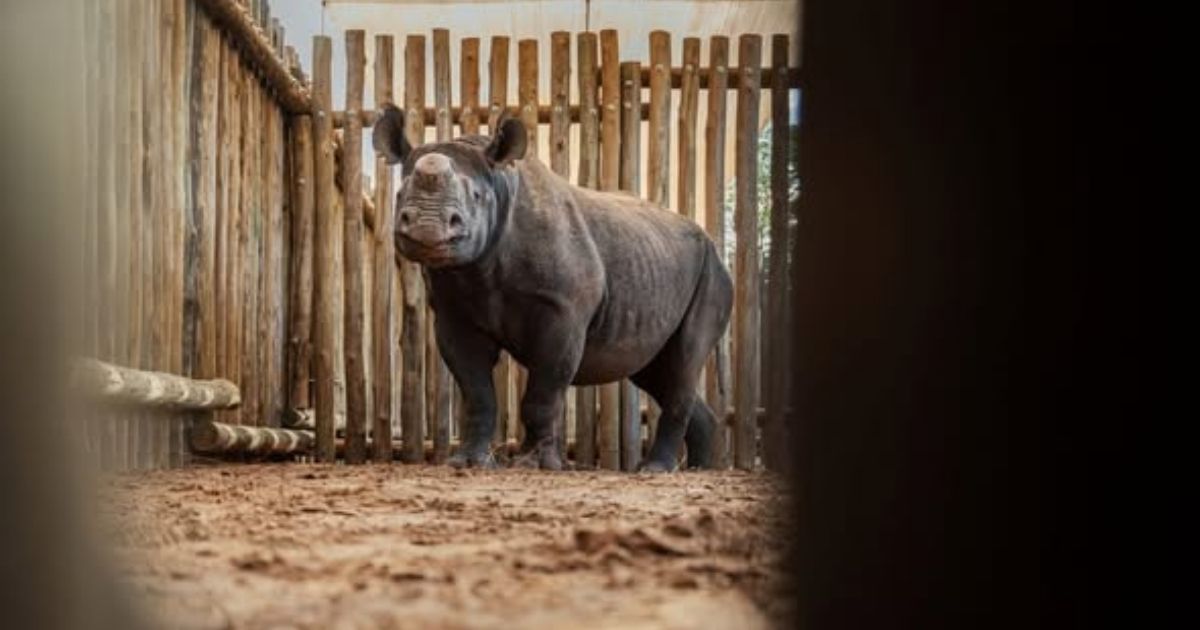
Black rhinos are classified as Critically Endangered by conservation authorities and remain among the world’s most threatened large mammals.
Although called “black” rhinos, they are generally grey in colour and are distinguished from white rhinos by their hooked upper lip, which allows them to browse leaves, shoots and shrubs.
Zimbabwe is home to one of Africa’s most significant black rhino populations and has long been recognised for its expertise in rhino conservation.
The country’s Intensive Protection Zones, anti-poaching initiatives and breeding programmes have helped stabilise populations after severe declines during the late twentieth century.
The establishment of additional secure populations is considered essential to reducing extinction risks.
By creating new breeding strongholds, conservationists can spread populations across multiple locations and minimise threats from disease outbreaks, poaching incidents or environmental pressures.
Partnerships Driving Conservation Success
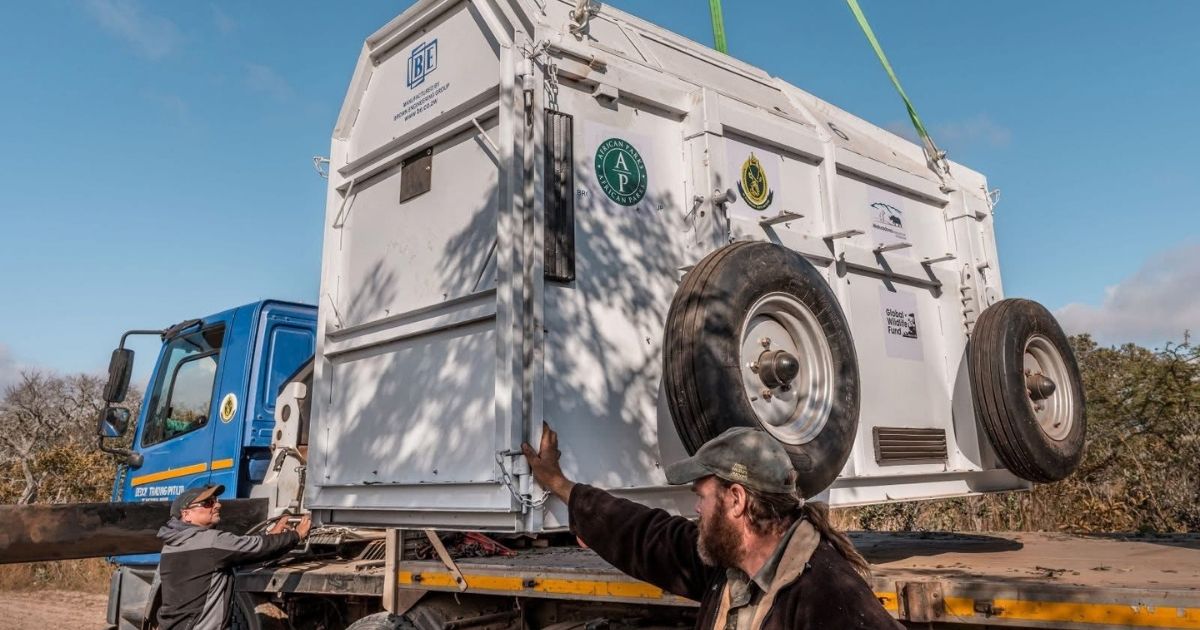
The rhino return project was made possible through collaboration between government agencies, conservation organisations, private donors and local communities.
ZimParks expressed gratitude to several partners whose support has been instrumental in restoring Matusadona’s ecological integrity.
Among those recognised were The Wyss Foundation, Stichting Natura Africae, the European Union, Thomas and Sara de Swardt, the Global Wildlife Fund, the Pangolin Crisis Fund and the Elephant Crisis Fund.
Additional appreciation was extended to Imire and the Dambari Wildlife Trust for their role in facilitating the successful translocation operation.
Conservation experts often point to such partnerships as a key factor behind wildlife recovery efforts across Africa, where large-scale restoration projects require significant financial resources, technical expertise and long-term commitment.
Boosting Tourism and Biodiversity
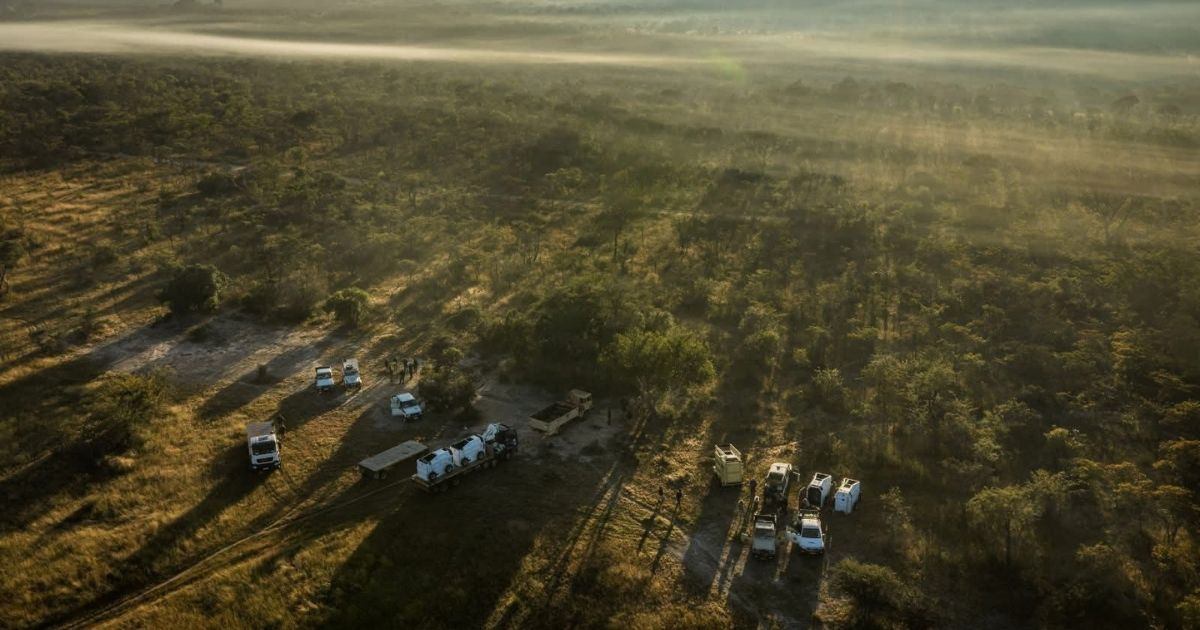
The return of rhinos is expected to enhance Matusadona’s appeal as a premier wildlife tourism destination.
Zimbabwe’s tourism industry increasingly relies on high-value conservation experiences, with travellers seeking opportunities to see iconic species in protected natural environments.
The presence of black rhinos alongside elephants, lions, buffaloes and leopards strengthens Matusadona’s position as a destination capable of offering visitors sightings of Africa’s most celebrated wildlife species.
Beyond tourism, the reintroduction contributes to ecosystem health and biodiversity conservation. Rhinos play an important ecological role by shaping vegetation patterns and supporting habitat diversity for other species.
A Vision for the Future
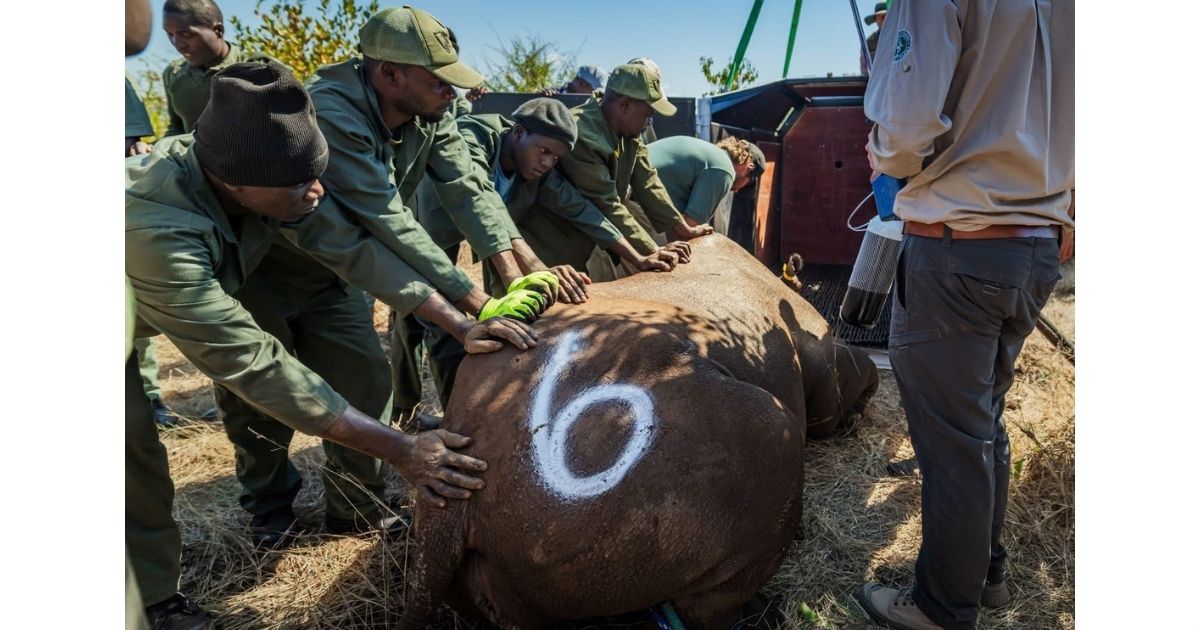
The return of rhinos to Matusadona represents more than a wildlife translocation. It is a symbol of Zimbabwe’s wider conservation ambitions and its commitment to restoring ecosystems that have suffered historical losses.
For conservationists, the operation demonstrates how sustained investment, effective wildlife management and community-supported conservation can reverse decades of decline.
As the newly established rhino population settles into its historic home overlooking Lake Kariba, Zimbabwe is hoping that Matusadona will once again become a thriving sanctuary for one of Africa’s most iconic and endangered animals.
The success of the project offers a powerful reminder that, with long-term commitment and collaboration, species recovery remains possible even in landscapes where wildlife populations have previously disappeared.