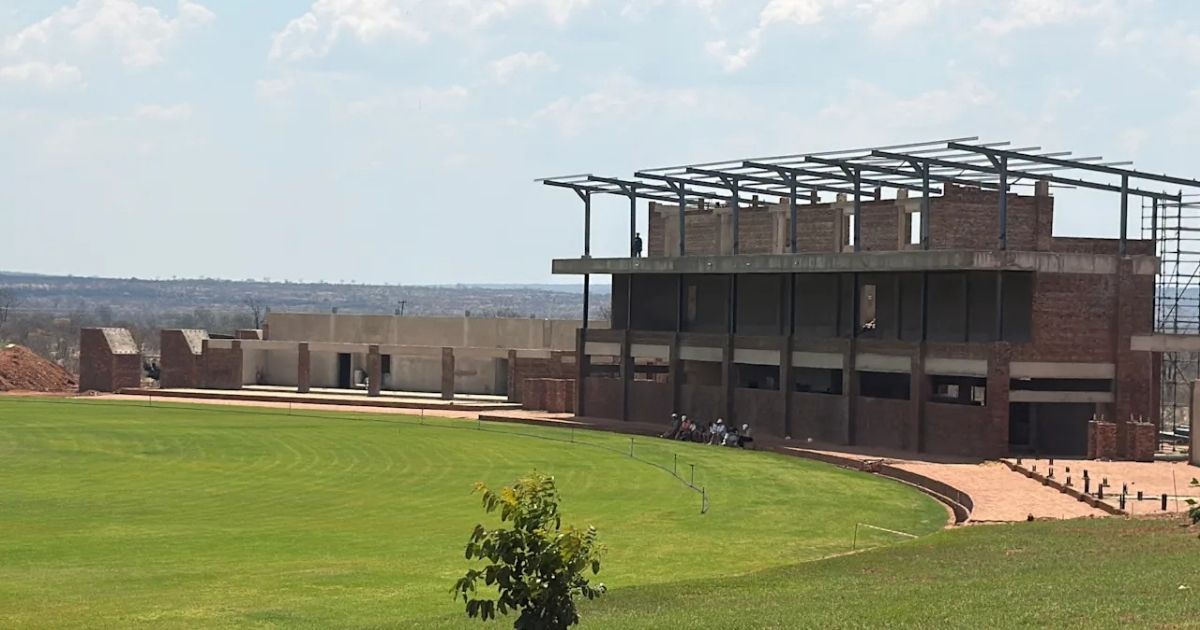
Preparations for the ICC Men’s Cricket World Cup 2027 are gathering pace in Zimbabwe, with the scenic Mosi-oa-Tunya International Cricket Stadium in Victoria Falls edging closer to completion following significant progress across the country’s three host cities.
The new stadium’s first match at the marquee 2027 event will be the big one for the hosts, Zimbabwe, as they take on India in their final group-stage fixture on 24 October.

Dancehall star Winky D will headline Castle Lager National Braai Day 2026 as the annual festival returns to Glamis Arena in Harare this Saturday, bringing together established musicians, emerging performers and braai enthusiasts for a day of live entertainment and outdoor cooking.
The 11th edition of the event will take place under the theme “Live It. Feel It. Share It.”, with gates opening at 11am and festivities continuing until late.
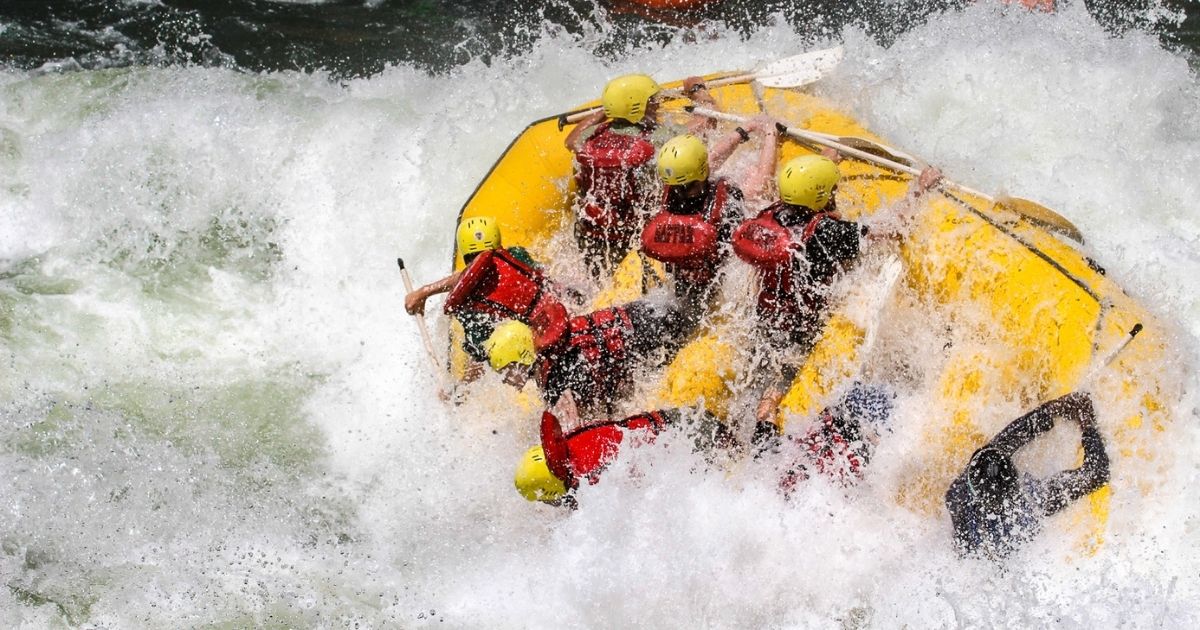
Below Victoria Falls, the Zambezi leaves its calm behind and drops into the Batoka Gorge, where it becomes one of the most thrilling stretches of white water on the planet. Grade five rapids with names like the Overland Truck Eater and Gnashing Jaws of Death await paddlers brave enough to take them on, interspersed with quiet pools beneath towering basalt cliffs. Whether tackled from Victoria Falls town or Livingstone, a day on this river is widely considered the finest one-day rafting trip in the world.
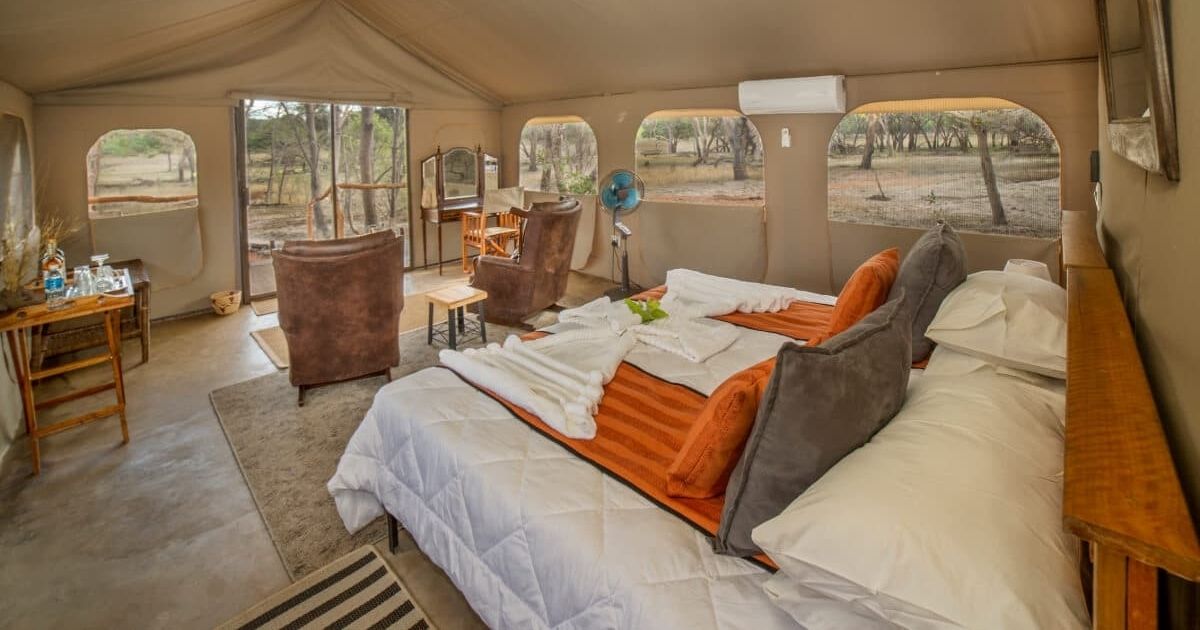
There is a particular kind of magic in falling asleep to the sound of a lion calling across the bush, then waking to coffee delivered to your tent flap and a hot shower waiting behind canvas walls.
This is the appeal of glamping in Zimbabwe, a country that has spent decades perfecting the art of putting guests close enough to the wilderness to feel it, without asking them to give up a proper bed or a decent glass of wine.
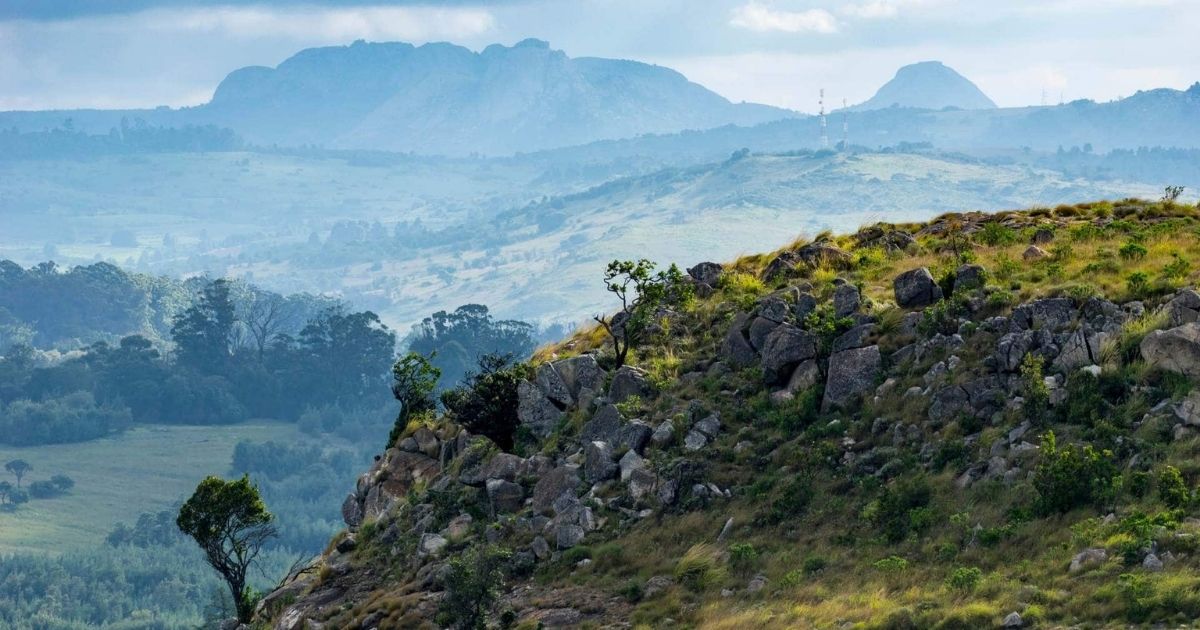
The Eastern Highlands are the part of Zimbabwe that nobody warned you about.
They run for approximately 300 kilometres along the country’s eastern border with Mozambique, a long, irregular spine of mountains, cloud forest, waterfalls, trout streams, botanical gardens, and granite ridgelines that bears almost no resemblance to the Zimbabwe of the safari brochures.
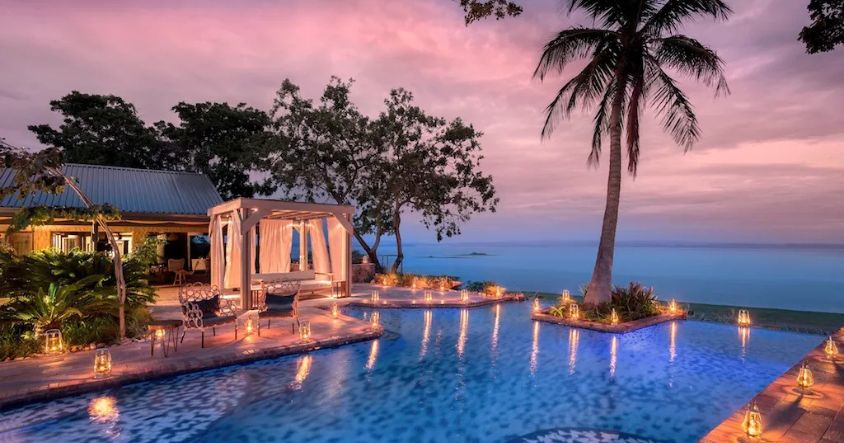
Zimbabwe was named the world’s best country to visit in 2025 by Forbes, a recognition that surprised people who had never been there and surprised nobody who had.
The country holds within its borders one of the seven natural wonders of the world, one of the largest elephant populations on earth, a mountain range that produces its own weather systems, ancient stone ruins that rewrote what historians thought they knew about pre-colonial Africa, and a lake so large that standing on its southern shore, you cannot see the other side.