
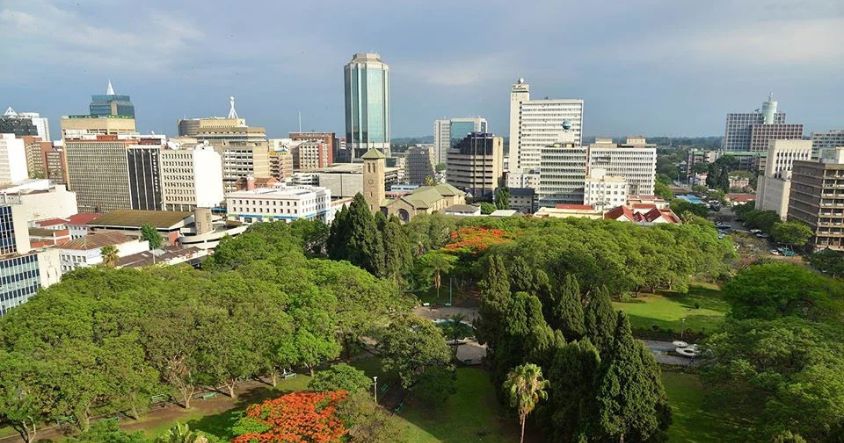
Most visitors to Zimbabwe fly through Harare on their way to somewhere else. Victoria Falls is waiting in the west. Hwange’s elephants are two hours down the road. The itinerary is already planned, the connecting flight is booked, and Harare is simply the entry point, the place where the passport gets stamped and the journey begins.
This is, it turns out, a significant mistake.
Zimbabwe’s capital is a city of wide, jacaranda-lined avenues, world-class galleries, one of southern Africa’s great markets, surprising restaurants, and a laid-back energy that rewards the traveller willing to stay for a day or two before pressing on.
It is not a city that announces itself loudly. It does not have a single headline monument that commands the brochure cover. What it has instead is texture, a place where contemporary African art hangs in serious galleries, where Shona sculptors work with stone using a tradition that has gained international recognition, where the food scene ranges from roadside sadza to serious fine dining, and where the surrounding countryside offers ancient rock paintings and game parks within an easy drive of the centre.
Give Harare two days. Most people who do wish they had given it three.
Getting Oriented
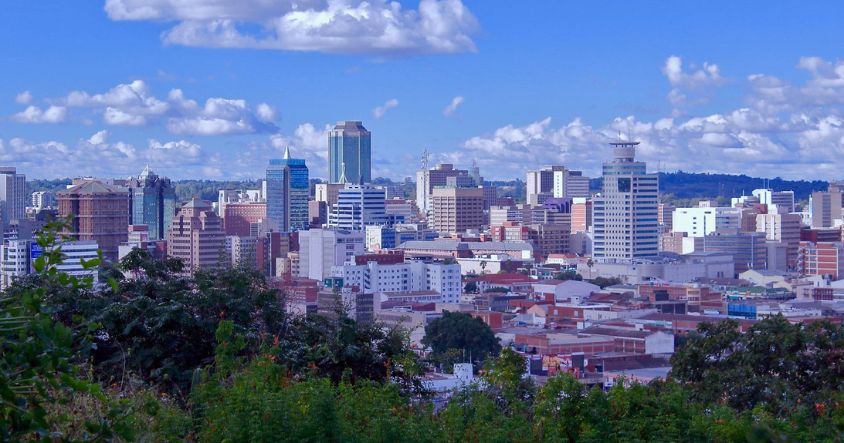
Harare sits on a highveld plateau at an elevation of approximately 1,490 metres, which gives it a climate that is notably more temperate and pleasant than most African cities at similar latitudes.
Summers are warm and punctuated by afternoon thunderstorms. Winters are dry, sunny, and occasionally cool enough at night to require a light jacket.
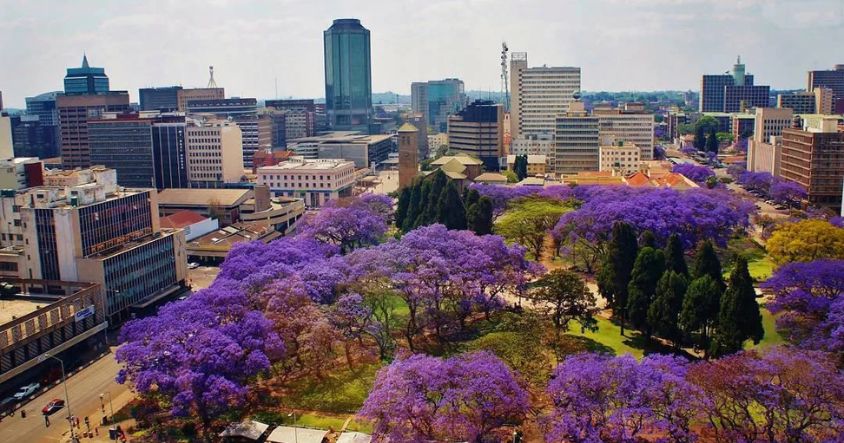
The jacaranda trees, for which the city is perhaps best known among those who have spent time here, bloom in late October and early November, turning entire boulevards a deep, luminous purple that has been described, memorably, as one of the most beautiful natural spectacles in any city in the world.
The city divides broadly into a few distinct areas that visitors need to know. The central business district, with its mix of colonial-era architecture and more recent development, is where the National Gallery, Harare Gardens, and African Unity Square are found. Avondale and the surrounding northern suburbs are popular with expats and independent travellers, with a good spread of guesthouses, cafés, and the weekly flea market.
Borrowdale, further north, is the city’s wealthiest district, home to Sam Levy’s Village, Zimbabwe’s premier shopping and dining destination, featuring over 150 stores, upscale boutiques, restaurants, a cinema, and a bowling alley in a pleasant open-air setting.
Mbare, to the south, is the city’s oldest high-density suburb and the location of the extraordinary Mbare Musika market, one of the largest and most colourful open-air markets in southern Africa.
What to See
The National Gallery of Zimbabwe
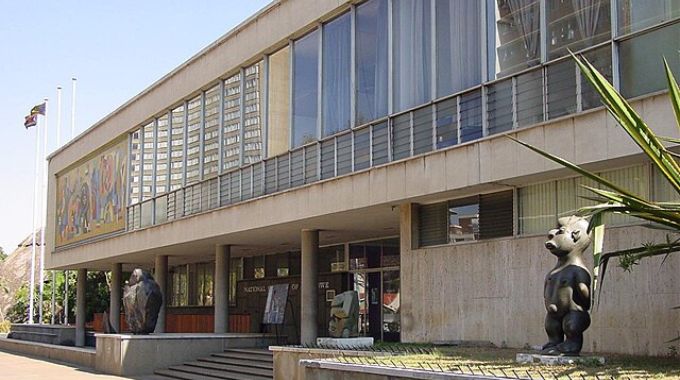
The National Gallery is the single most important cultural institution in Harare and, arguably, in Zimbabwe.
Its permanent collection spans decades of Zimbabwean art history, but it is the Shona stone sculpture tradition that commands the most international attention.
Zimbabwe’s Shona sculptors, working primarily in verdite, serpentine, and springstone, have produced a body of work that has been exhibited in galleries in New York, London, and Paris, and artists including Henry Munyaradzi, Nicholas Mukomberanwa, and Joram Mariga are considered among the most important contemporary African artists of the twentieth century.
Seeing that work in the context of its home country, in a well-curated and serious gallery, is a different and considerably richer experience than encountering it abroad.
The gallery houses an extensive collection of contemporary and traditional African art, including paintings, sculptures, textiles, and installations.
Regular exhibitions feature works by both local and international artists, providing a platform for artistic dialogue and exchange.
Mbare Musika Market
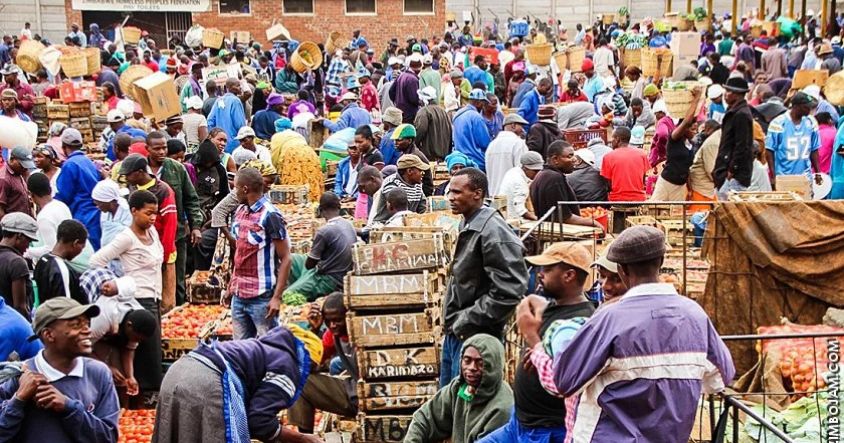
Mbare Market offers an intriguing mix of fresh produce and handicrafts including Shona sculptures, wooden craftware, basketry, and is one of the most authentic marketplace experiences in the city.
It is also loud, busy, and entirely unlike anything most international visitors will have encountered before.
Stalls selling vegetables, dried fish, second-hand clothing, and handmade crafts sit alongside one another in a sprawling, labyrinthine complex that has been the commercial heart of Harare’s oldest suburb for generations.
Go with an open mind and, ideally, with a local guide or driver who knows the market. Prices for crafts are negotiable.
The atmosphere is exhilarating rather than threatening, but this is not a place to wander with valuables on display. What you will come away with, beyond whatever you choose to buy, is a clear and honest sense of the city that no hotel lobby or shopping mall can provide.
Mukuvisi Woodlands
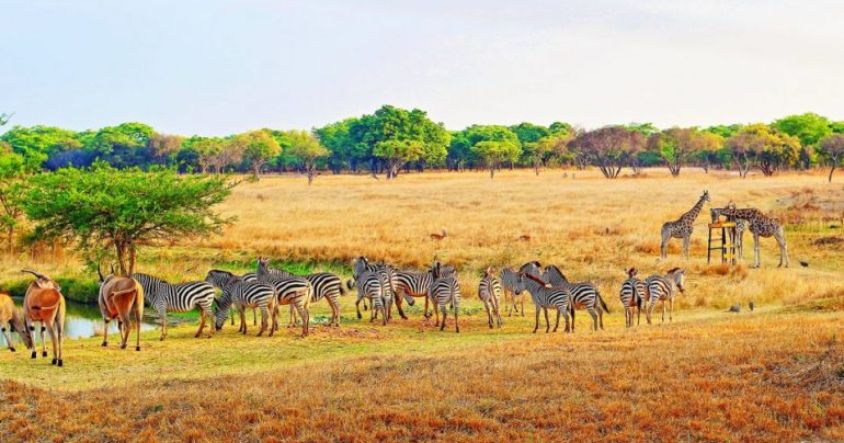
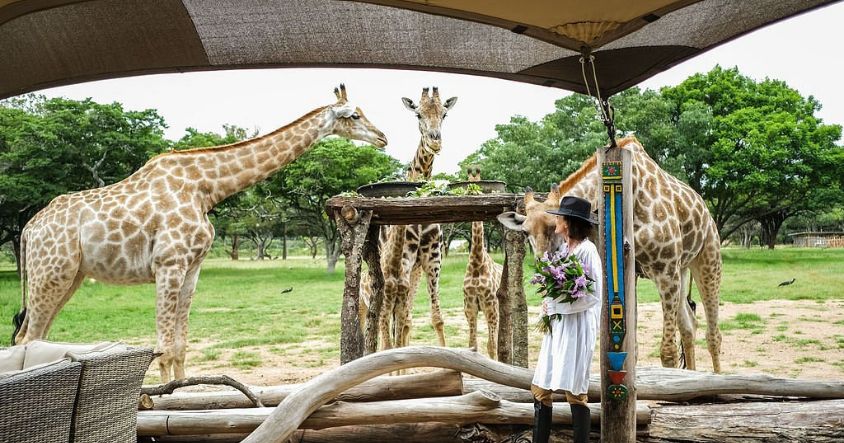
Mukuvisi Woodlands is a 263-hectare nature reserve within the city offering guided walks, horse riding, and game viewing, home to giraffe, zebra, wildebeest, and impala just minutes from the CBD.
The existence of a functioning game reserve within the boundaries of a capital city is one of Harare’s more unusual qualities.
Walking trails wind through indigenous miombo woodland, and the birdlife alone justifies the visit for those with any interest in ornithology.
Morning visits are recommended, both for wildlife activity and for the quality of the light.
Harare Gardens and African Unity Square
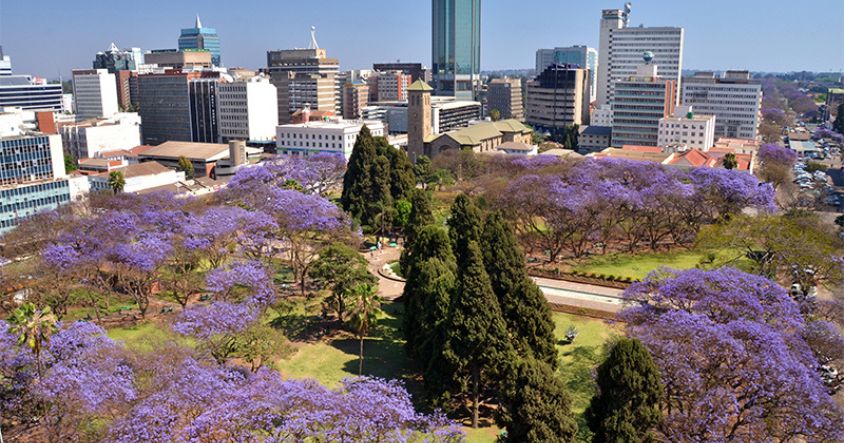
The Harare Gardens, a large public park in the centre of the city, is a pleasant and surprisingly well-maintained green space. The gardens host the annual Harare International Festival of the Arts, known as HIFA, one of the most significant arts festivals on the African continent, which had taken a break but is making a comeback in 2026. The festival draws performers and audiences from across Zimbabwe and beyond.
African Unity Square, a few blocks away, is a formal garden of fountains, flower beds, and benches that functions as the symbolic heart of the city centre.
It is pleasant enough by day and a useful orientation point, flanked by the Parliament of Zimbabwe and several of the city’s older colonial buildings.
The Zimbabwe Museum of Human Sciences
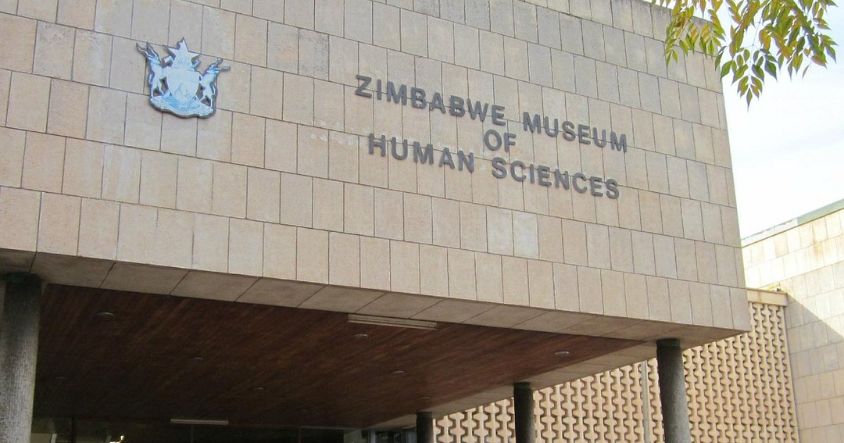
The Zimbabwe Museum of Human Sciences may be modest in scale by international standards, but its collection includes the 700-year-old ngoma lungundu, believed to be the oldest wooden object ever found in sub-Saharan Africa and thought by some to be a replica of the Ark of the Covenant.
The museum covers archaeology, ethnography, and natural history, and provides useful context for anyone planning to visit Great Zimbabwe or Mana Pools afterwards. Entry is inexpensive and the visit takes about an hour.
Heroes Acre
Located seven kilometres outside the city centre on a 57-acre site, Heroes Acre is a national monument that commemorates those who died in Zimbabwe’s long struggle for independence.
The site features impressive sculptures and the Tomb of the Unknown Soldier.
The monument is striking in scale and sombre in atmosphere. Whether or not you have an interest in Zimbabwean political history, it offers an important perspective on the country’s relatively recent past and is worth the short drive.
Balancing Rocks in Epworth
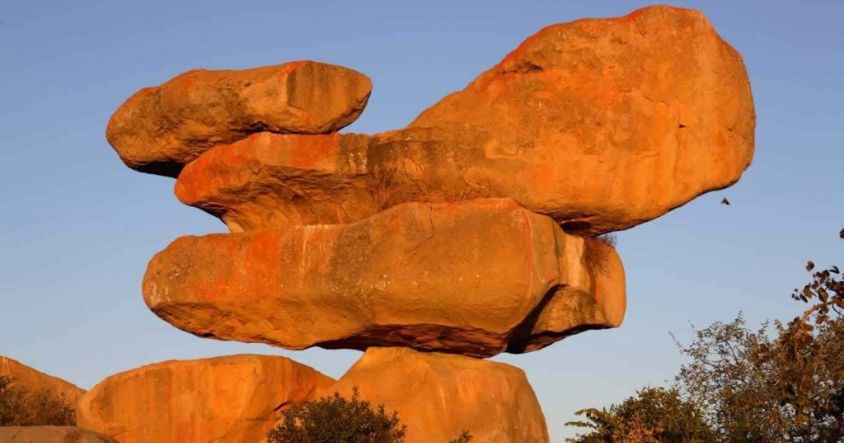
About 13 kilometres from the city centre, the granite balancing rocks in Epworth are the formations depicted on Zimbabwe’s national currency and one of the country’s most recognisable natural symbols.
The rocks, which appear to defy physics in their stacking, are the result of millions of years of weathering and erosion on the ancient granite outcrops that characterise the highveld landscape.
The site in Epworth is accessible and photogenic, and combines easily with a visit to Mbare on the southern side of the city.
Day Trips from Harare
Domboshava Rock Paintings
About 30 kilometres north of the city, Domboshava is a smooth granite dome that rises above the surrounding bushveld and is covered, in its cave shelters, by San rock paintings of remarkable age and quality.
The walk to the summit is straightforward and takes about 45 minutes, passing the painted shelters on the way up.
The views from the top extend across a vast, uncluttered stretch of highveld that gives a clear sense of the landscape that surrounds the city.
Take a local guide from the entrance who can explain the significance and history of the paintings properly.
Lake Chivero Recreational Park
Lake Chivero, one of the best places close to Harare, is a quiet game park where you don’t have to drive out of the city, and is considered one of the safest and most accessible game reserves in the area.
About 40 kilometres south-west of Harare, the park surrounds a reservoir that supplies much of the city’s water and supports populations of white rhino, giraffe, zebra, wildebeest, hippo, and crocodile, as well as outstanding birdwatching.
Boating is available on the lake. A half-day trip from Harare is entirely practicable.
Wild Is Life Elephant Sanctuary
Wild Is Life is a private reserve near the airport where visitors can stand trunk-to-hand with orphaned elephants and watch them work towards eventual graduation to the wild.
Afternoon slots sell out days ahead, so online booking in advance is essential.
It is one of the most popular experiences available near Harare, and justifiably so. Baby elephant feeding times, which draw a crowd of genuinely enchanted visitors, are a particular highlight.
Where to Eat in Harare
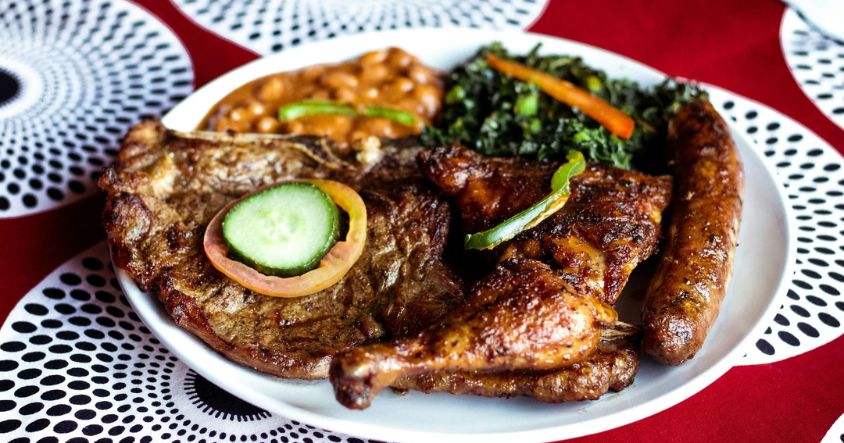
Harare has a food scene that consistently surprises visitors who arrive expecting limited options. The city supports everything from traditional Zimbabwean cooking to serious international dining, and several of its restaurants would hold their own in any major African city.
For Traditional Zimbabwean Food
Gava’s Restaurant at the Belgravia Sports Club is the most consistently recommended destination for authentic Zimbabwean cuisine.
Gava’s offers typical Zimbabwean dishes, primarily made with meat in sauce or grilled, in a relaxed setting at the Belgravia Sports Club.
Sadza, the thick maize porridge that is Zimbabwe’s national staple, appears alongside nyama, which is grilled or stewed meat, muriwo, which is leafy greens cooked with groundnut sauce, and matemba, the small dried fish that are a fixture of the traditional Zimbabwean table.
Eating here is an education in the country’s food culture and very good value besides.
Kapoto Restaurant is one of Harare’s well-known traditional dining spots, popular for serving authentic Zimbabwean cuisine in a relaxed and welcoming environment. Located in the Belgravia area along Chelmsford Road, the restaurant is especially loved for dishes such as sadza remhunga, rice with peanut butter, oxtail, road runner chicken, mabhonzo and traditional vegetables.
Kapoto has built a reputation as a hidden gem for both locals and visitors looking for a genuine taste of Zimbabwean food and culture in a peaceful garden-style setting.
For a Serious Meal
Amanzi Restaurant in Borrowdale is considered by many Harare regulars to be the city’s finest dining room, set in a beautifully converted property with outdoor terrace seating surrounded by gardens. The menu combines African ingredients with international technique, and the wine list is one of the best in the city. Reservations are advisable.
Alo Alo in Mount Pleasant has built a strong reputation for exceptional beef, a quality that is not surprising given Zimbabwe’s cattle-farming heritage, and the kitchen handles both local and international dishes with obvious care. It is quieter and slightly more intimate than the Borrowdale options, with a loyal following among Harare’s food-conscious residents.
Wombles on Lanark Road is a steakhouse and bar known for superior food and service, and one of the most established and reliable dining options in the city. It caters to a mixed crowd of locals, expats, and visitors, and the steaks, sourced from Zimbabwean beef, are consistently excellent.
For Something More Casual
Café Nush in Avondale is a popular, consistently praised spot for breakfast and lunch, with good coffee, fresh food, and the kind of easy, unpretentious atmosphere that makes it a natural base for a morning in the northern suburbs.
Sam Levy’s Village in Borrowdale offers the widest range of casual dining in a single location, with multiple restaurants and cafés spread across the open-air complex. The village caters to diverse tastes and styles, from quick meals to more leisurely dining, and the outdoor seating areas are particularly pleasant in the late afternoon. The Village Greek draws consistent praise for its moussaka, kebabs, and generous meze.
For International Cuisine
Harare supports a notably diverse international food scene, which reflects both its expatriate community and its history as a cosmopolitan city. Queen Makeda offers authentic Ethiopian cuisine in an elegantly decorated setting, Da Guido serves traditional Italian food that regulars describe as the best in Zimbabwe, and Shangri-La and China Garden both provide well-regarded Chinese menus. For Portuguese-influenced seafood with a Mozambican accent, Mozambik has become a popular choice for families and groups.
Nightlife and Entertainment
Harare’s nightlife has changed dramatically in recent years, with newer lifestyle lounges, premium clubs and social dining spaces replacing many of the older venues that once defined the city’s after-dark culture.
Among the city’s most popular venues is Karma in Chisipite, known for its stylish crowd, DJs, cocktails and upscale weekend parties.
In Borrowdale, Pabloz VIP & Deck remains one of Harare’s biggest nightlife brands, attracting celebrities, socialites and affluent partygoers with luxury table service, themed nights and high-energy music events that often run until the early hours.
One of the fastest-growing lifestyle destinations in the city is La Parada Bay Noakes, located in the Rolf Valley/Bay Noakes. Inspired by the South African La Parada brand, the venue combines tapas dining, cocktails, house music and curated social events, making it popular with Harare’s young professionals and influencers.
Meanwhile, The Smokehouse Harare has become one of the city’s trendiest social hangouts, blending barbecue culture, live music and outdoor entertainment in a more relaxed but fashionable setting near the Showgrounds.
Downtown nightlife has also remained active through venues such as Private Lounge and Zone Lounge, which continue to draw crowds looking for late-night clubbing in the city centre.
What you need to know
- Currency: US dollars are the standard currency at virtually every hotel, restaurant, and shop frequented by visitors. The Zimbabwe Gold, or ZiG, is the official local currency but USD is preferred everywhere. Carry small denominations as change can be difficult to obtain. ATMs exist but can be unreliable. Come prepared with adequate cash.
- Getting around: Harare’s attractions are spread across a fairly wide area and are not easily covered on foot. A hired car, a reliable taxi, or a local driver arranged through your hotel is the most practical approach. Ride-hailing apps like inDrive operate in the city and are generally safe and affordable. Having a driver for the day, particularly for trips to Mbare and the outer suburbs, is worth considering both for convenience and for the local knowledge that a good driver brings.
- Safety: Harare is a safe city by the standards of major African capitals. The northern suburbs and Borrowdale are considered very safe. The city centre warrants the usual urban common sense: keep valuables out of sight, be aware of your surroundings in busy areas, and avoid walking alone at night in unfamiliar streets. In the city centre more than anywhere else, have your wits about you and ensure wallets are well out of the way of opportunistic hands, but this is not a reason to stay away.
- How long to stay: One to two days covers the main attractions comfortably. Day one for the National Gallery, Harare Gardens, and Avondale markets. Day two for a trip to Domboshava or Lake Chivero. If you have an interest in art, food, and local life, three days allows a more complete and relaxed exploration of everything the city offers.
- When to visit: Harare is a year-round destination. The jacaranda season in late October and early November transforms the city’s boulevards in a way that is worth timing a visit around if your itinerary allows it. The HIFA festival, coming in August, is the best single week to experience Harare’s creative culture. The dry season months of May to September offer the most reliable and comfortable weather.
A Note on What Harare Is Not
It would be dishonest to present Harare purely as a postcard city.
It has infrastructure challenges that a visitor will notice: roads in parts of the centre that could be better maintained, occasional electricity outages. These are realities of the city as it currently exists, not reasons to avoid it.
What Harare has is authenticity. It is a city that has not been packaged and smoothed for tourism, where the interactions between visitors and residents carry a genuine warmth rather than the professional hospitality of a resort town. The art is world-class. The food, increasingly, is excellent. The surrounding countryside is beautiful. And the people, consistently, are among the most hospitable that Zimbabwe offers, which is saying something in a country that is already well regarded for exactly that quality.
Most visitors who give Harare a proper chance come away wanting to return.
Zimbabwe Travel Hub, updated May 2026. Restaurant recommendations are subject to change. Always check current opening hours before visiting.