Zimbabwe is one of Africa’s top safari destinations, although it does not always receive the attention given to Kenya, Tanzania or South Africa.
For those who know the country, that is part of its appeal.
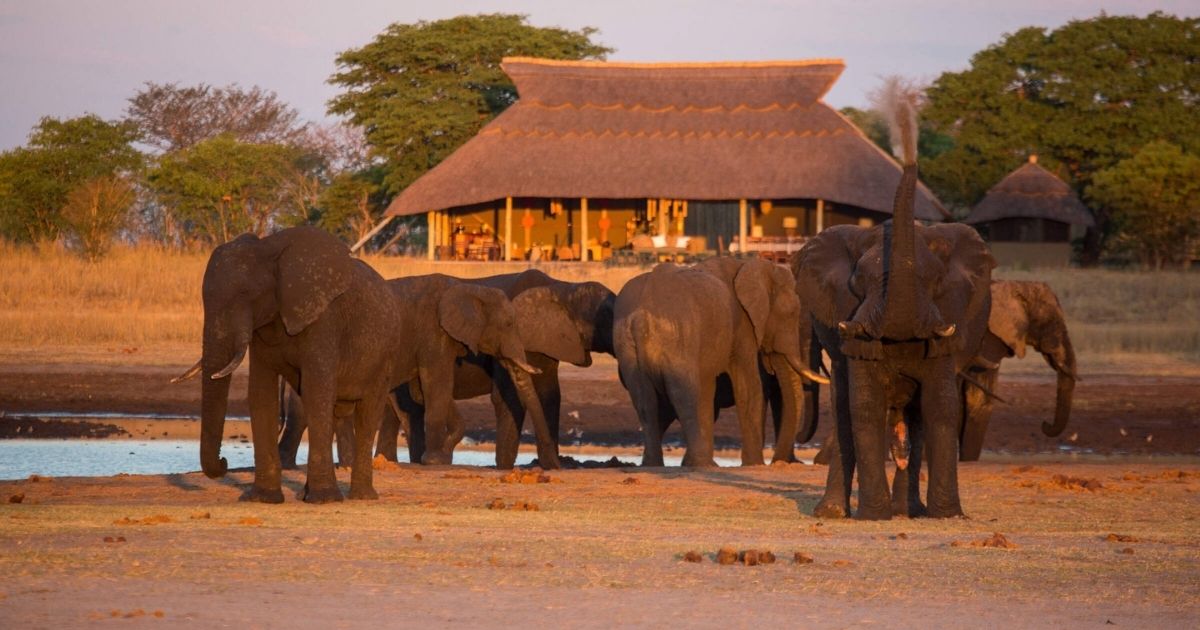
From the elephant-rich plains of Hwange to the wild channels of the Zambezi in Mana Pools and the rugged landscapes of Gonarezhou, Zimbabwe offers some of the continent’s finest wildlife experiences. It also has something increasingly difficult to find elsewhere: space.
But how much does a Zimbabwe safari cost in 2026?
The answer depends heavily on how you travel.
A safari can cost around US$100-$300 per person per day for a budget or self-drive trip, while a comfortable mid-range safari can cost US$300-$700 per person per day. At the luxury end, rates of US$700-$1,500 or more per person per night are possible, particularly during the peak safari season.
For a seven-day safari, a realistic budget is therefore somewhere between US$2,500 and US$10,000 or more per person, depending on the level of accommodation and how much is included.
Zimbabwe safari prices at a glance
| Type of safari | Approximate 2026 cost per person |
|---|---|
| Budget/self-drive | US$100-$300 per day |
| Mid-range | US$300-$700 per day |
| Luxury | US$700-$1,500+ per day |
| Seven-day budget safari | US$1,000-$2,500+ |
| Seven-day mid-range safari | US$2,500-$5,000 |
| Seven-day luxury safari | US$5,000-$10,500+ |
These are useful planning figures rather than fixed prices. Safari costs vary according to the park, season, accommodation, number of travellers, transfers and activities.
For locals who prefer to drive themselves on the safari, the prices will significantly drop.
More importantly, the nightly accommodation rate is not always the final safari price.
What does a Zimbabwe safari package include?
This is where visitors need to look closely when comparing prices.
A safari package can include some or all of the following:
- Accommodation
- Breakfast, lunch and dinner
- Game drives
- Walking safaris
- Park entry fees
- Conservation fees
- Guide fees
- Road transfers
- Airstrip transfers
- Domestic or charter flights
- Drinks
- Laundry
- Other activities
A lodge charging US$600 a night may actually be better value than one charging US$450 if the first price includes meals, activities, transfers and drinks.
The question to ask is not simply “How much is the lodge?”
It is “How much will the whole safari cost?”
How much does a Hwange safari cost?
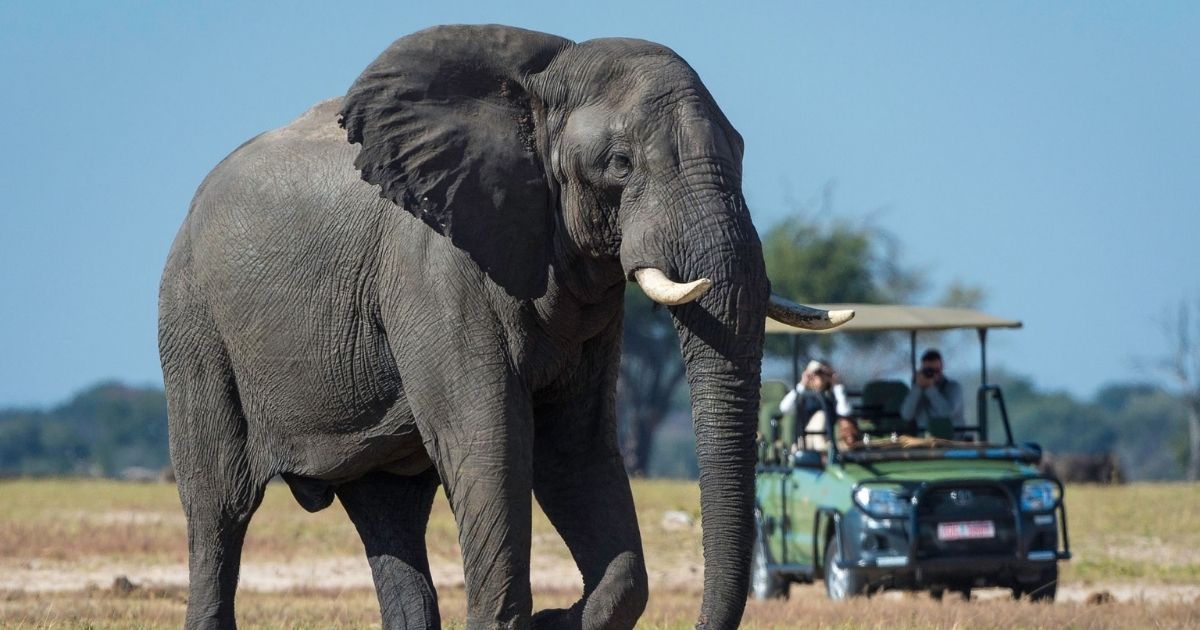
For many visitors, Hwange National Park is the obvious starting point.
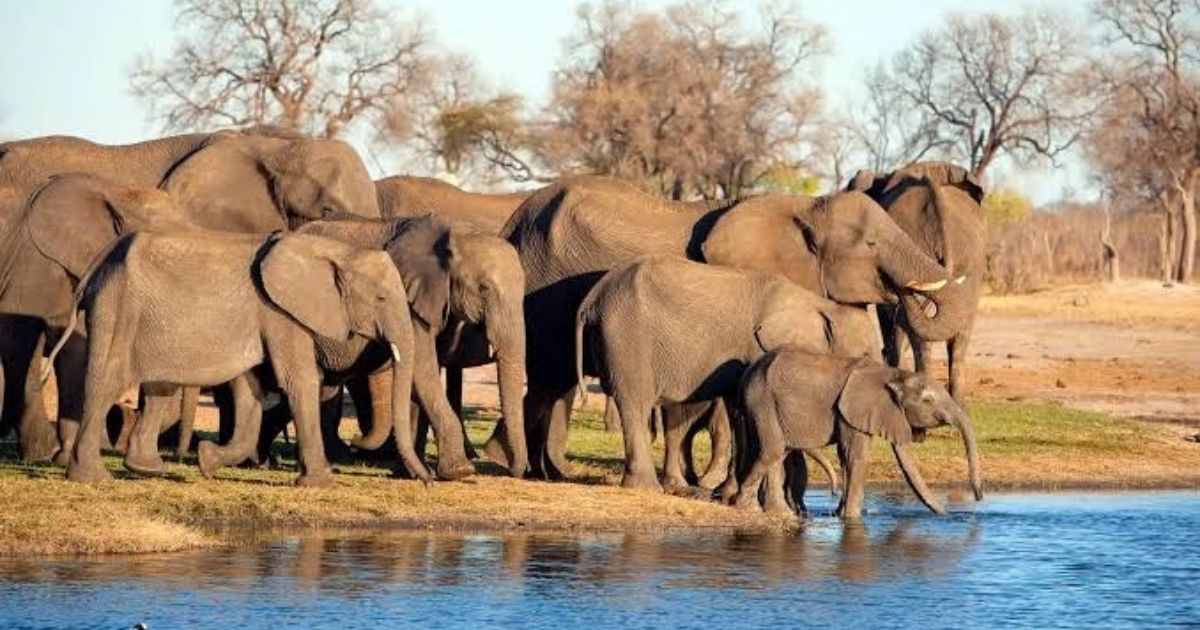
Zimbabwe’s largest national park is particularly renowned for its elephants. It offers a range of accommodation, from campsites and relatively affordable lodges to some of the country’s most exclusive safari camps.
That makes Hwange one of the easier places to build a safari around your budget.
At the lower end, travellers can camp or stay in simpler accommodation and either self-drive or arrange guided game drives.
At the other end of the scale are intimate camps where the price includes meals, drinks, guided activities and transfers.
Rates from properties in and around Hwange show just how wide the range can be, with accommodation available for less than a hundred dollars per person and luxury camps charging more than US$1,000 per person per night during the busiest months.
A Hwange safari costs anywhere from roughly US$100 to more than US$1,000 per person per night, depending on the experience.
Can you do a cheap Hwange safari?
Hwange is one of the better parks in Zimbabwe for an independent safari, particularly for travellers who are comfortable driving themselves.
A self-drive trip requires more planning. You have to account for fuel, food, accommodation, park fees and the cost of your vehicle. But it can be considerably cheaper than an all-inclusive luxury safari.
For Zimbabweans and regional visitors, this can also be one of the most practical ways to experience the park.
Remember, a budget safari does not mean a lesser wildlife experience.
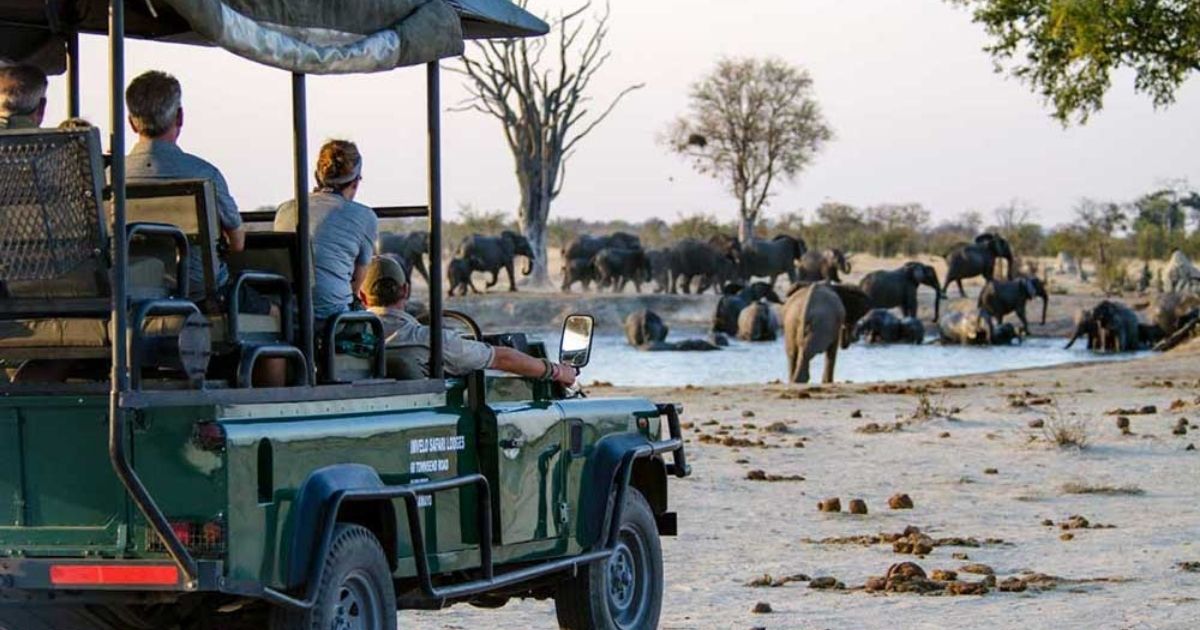
You can still spend an afternoon at a waterhole watching elephants come down to drink.
What you give up is some of the convenience.
How much does a Mana Pools safari cost?
Mana Pools is generally more expensive than Hwange, largely because of its remote location and the type of safari experience available.
This is not a conventional drive-through national park.
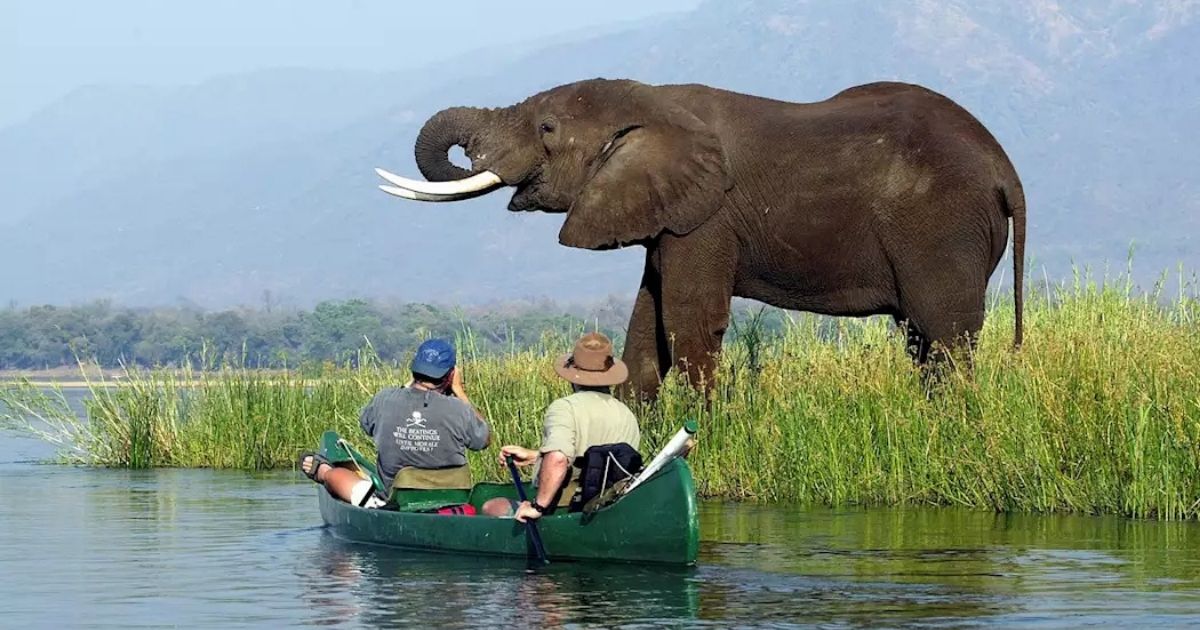
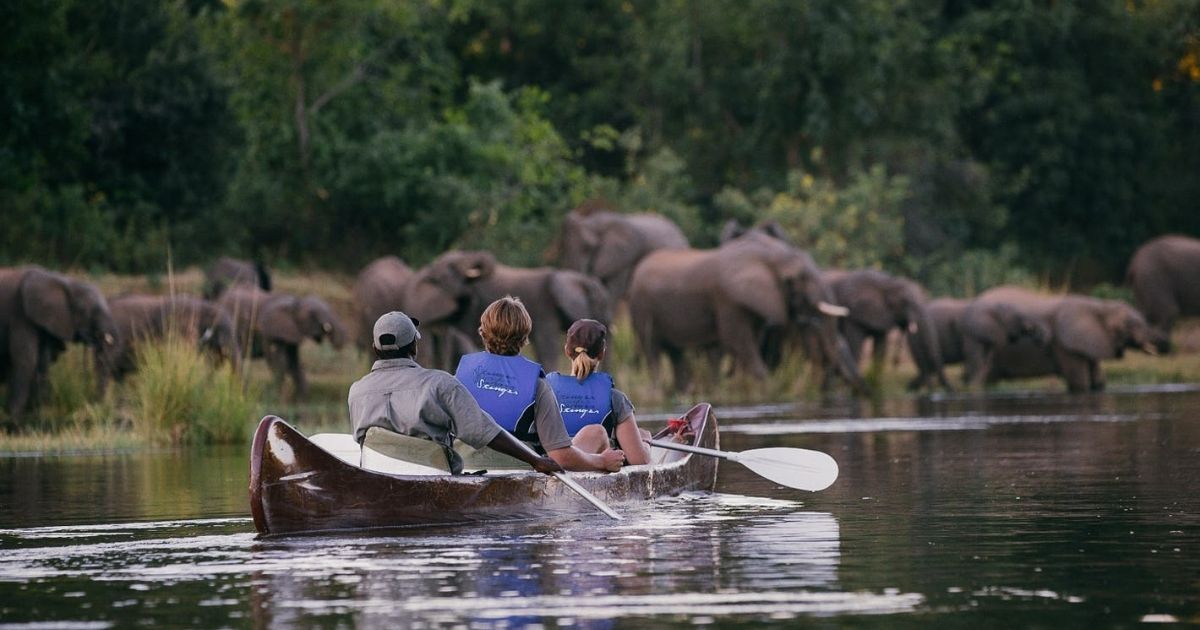
Mana Pools is famous for walking safaris, canoeing and close encounters with wildlife along the Zambezi. The experience is deliberately low-impact, with camps often small and intimate.
Currently, travellers should generally budget US$400-$750 or more per person per night for a good Mana Pools safari, with high-end camps going considerably higher.
Flights can also add significantly to the cost.
For visitors flying into Mana Pools rather than travelling by road, the convenience comes at a price. But given the distances involved and the nature of the destination, flying can make sense, particularly for shorter holidays.
For someone looking for a classic Zimbabwe wilderness experience, Mana Pools is often worth the additional expense.
What about Gonarezhou?
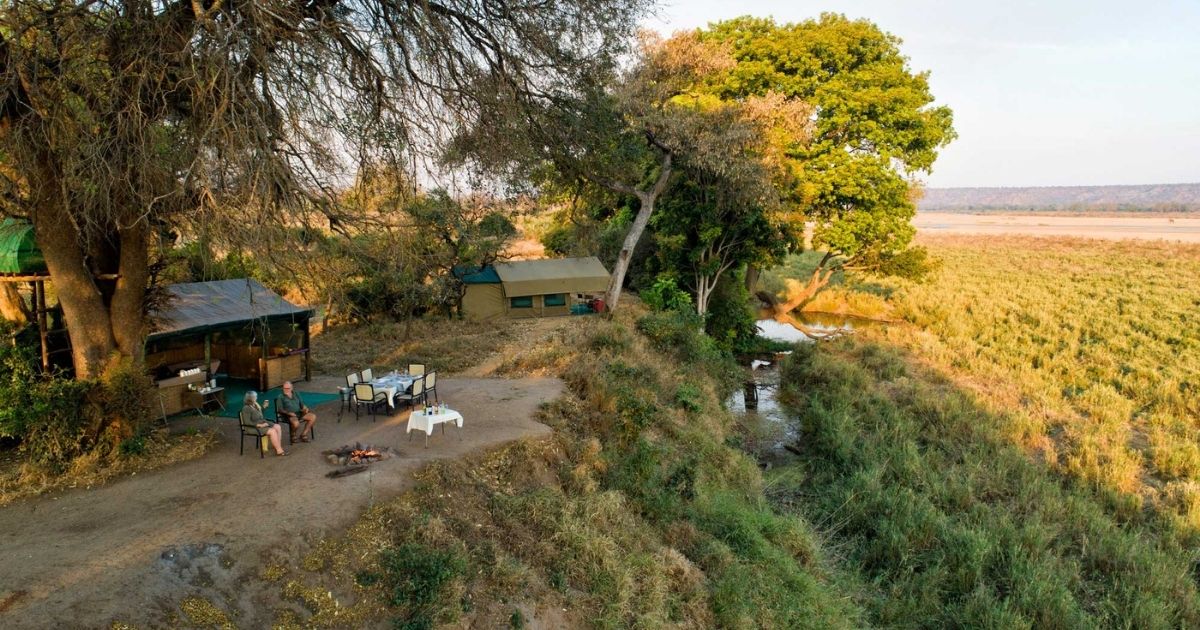
Gonarezhou National Park offers another proposition.
In the south-east of Zimbabwe, the park is vast, rugged and considerably less developed for mass tourism than some of the country’s better-known wildlife destinations.
That can make it attractive to travellers looking for solitude.
It is also possible to visit Gonarezhou on a relatively modest budget, particularly by camping or using self-drive arrangements.
Costs increase when visitors opt for private guides, specialist walking safaris or high-end accommodation.
Expect to part with around $150 to $550 per person for a self-drive camping trip, and $1,100 to $2,400+ per person for an all-inclusive luxury lodge stay.
Gonarezhou is not necessarily the park for someone looking for the easiest safari logistics.
It is, however, one of the places where Zimbabwe’s wilderness character is particularly apparent.
What about Victoria Falls?
When is the cheapest time to go on safari?
Zimbabwe’s safari seasons make a significant difference to the price.
The dry season, particularly July to October, is generally the most popular period for wildlife viewing.
Vegetation thins out, water becomes scarce and animals congregate around remaining water sources. In Hwange, this can make the famous waterhole network especially productive.
It is also peak season.
Luxury camps can charge substantially more between July and October than they do earlier or later in the year.
Travelling during the green season or shoulder periods can therefore be a good way of reducing costs.
There is a trade-off, but it is not necessarily a bad one.
The bush is greener, birdlife is excellent and landscapes can be spectacular after the rains. For travellers who are not solely interested in ticking off the Big Five, this can be a particularly rewarding time to visit.
How much does a seven-day Zimbabwe safari cost?
For a first safari, seven days gives travellers enough time to settle into the rhythm of the bush without spending too much of the holiday moving between destinations.
A rough budget would be:
- Budget: US$1,000-$2,500 – This could involve camping, self-drive travel or simpler accommodation, with some activities arranged separately.
- Mid-range: US$2,500-$5,000 – This is a comfortable option for travellers wanting proper safari accommodation, meals, guided game drives and some transfers included.
- Luxury: US$5,000-$10,500+ – This is where private guides, high-end camps, charter flights and multiple destinations can push the cost significantly higher.
A couple sharing accommodation will generally get better value than a solo traveller, particularly where rooms, vehicles and transfers are priced per person sharing.
How much does a Zimbabwe safari cost for a couple?
For two people, a reasonable seven-night budget would be:
- Budget: US$2,000-$5,000
- Mid-range: US$5,000-$10,000
- Luxury: US$10,000-$21,000+
These figures can rise considerably if the itinerary includes private vehicles, charter flights or exclusive-use accommodation.
International flights are also not included in these estimates.
That distinction is important because getting to Zimbabwe can represent a significant part of the overall holiday cost.
How to reduce the cost of a Zimbabwe safari
There are several ways to make the trip more affordable without compromising the wildlife experience.
Travel outside peak season
The July-October period is excellent for wildlife, but it is also when many camps charge their highest rates.
Stay longer in fewer places
Moving between parks every couple of days means paying repeatedly for transfers and, in remote areas, flights.
Share costs
Travelling as a couple or small group can make vehicles, guides and transfers considerably more economical.
Consider self-drive
Hwange is particularly suitable for independent travellers who are comfortable driving in the park and preparing their own itinerary.
Compare inclusions
Always check whether the advertised rate includes meals, activities, park fees, drinks and transfers.
Ask for the total cost
Before booking, ask the operator to provide the full price from arrival to departure.
That is the figure that matters.
Is a Zimbabwe safari expensive?
Zimbabwe is not the cheapest safari destination in Africa, but neither does it have to be an exclusively luxury experience.
There is a sizeable difference between a self-drive camping trip in Hwange and a private fly-in safari through Mana Pools and Hwange.
Both, however, offer access to the same fundamental attraction: Zimbabwe’s extraordinary wilderness.
And that is perhaps the most important thing to understand about safari pricing here.
You are not simply paying for a hotel room.
You are paying for access to remote landscapes, experienced guides, conservation areas and the time required to experience wildlife properly.
A luxury safari can cost well into five figures. But a carefully planned independent trip can bring Zimbabwe’s national parks within reach of travellers with much more modest budgets.
For most international visitors looking for comfort without going completely upmarket, US$2,500-$5,000 per person for a week is a sensible starting point for planning a Zimbabwe safari.
For those willing to camp, self-drive and do more of the organising themselves, the figure can be considerably lower.
Zimbabwe’s advantage is that, unlike some destinations where the safari experience begins and ends with a high-end lodge, the wilderness itself remains the star of the show.