In Harare in October, the jacarandas do what they have done for generations: they bloom, all at once, and the city’s avenues turn a hazy, improbable purple. Drive out towards the cricket ground and the petals carpet the tarmac.
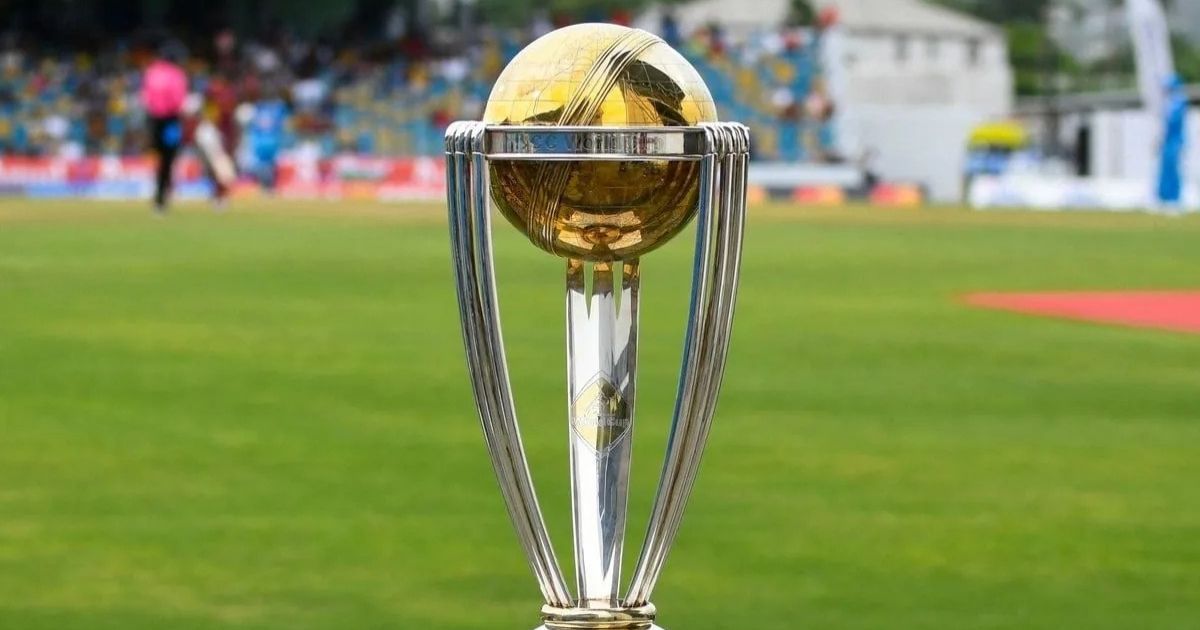
A year from now, they will fall on thousands of visitors in team shirts, carrying folding chairs and sun hats, heading to the first men’s Cricket World Cup played on African soil in 24 years.
Zimbabwe is one of three co-hosts of the 2027 tournament, alongside South Africa and Namibia, and the country is preparing to show off more than its cricket.
Matches will be played in Harare, Bulawayo and, in the most spectacular setting any World Cup has had, beside the Victoria Falls, where a brand-new stadium is rising a short distance from one of the planet’s great natural wonders.
This guide pulls together everything you need to plan a trip: the dates, the venues, the fixtures, how to get tickets, how to get here, and what to do when the day’s play is over.
At a glance: Cricket World Cup 2027 in Zimbabwe
- Tournament dates: 2 October to 21 November 2027
- Hosts: South Africa, Zimbabwe and Namibia
- Teams and matches: 14 teams, 57 matches, 12 venues
- Zimbabwe’s venues: Harare Sports Club (Harare), Queens Sports Club (Bulawayo) and Mosi-oa-Tunya International Cricket Stadium (Victoria Falls)
- Ticket prices: from about US$9.62 to US$31.31, according to the International Cricket Council (ICC)
- Ticket ballot: free to enter; open until 23:59 (SAST) on 21 November 2026 at tickets.cricketworldcup.com
- Zimbabwe’s opener: against Qualifier A at Queens Sports Club, Bulawayo, on 9 October 2027
- Zimbabwe v India: 24 October 2027, the first World Cup match at the Victoria Falls stadium
- Best time to pack for: hot, dry weather, with the first rains often arriving towards the end of the tournament
A World Cup returns to Africa

The last time the men’s Cricket World Cup came to southern Africa was in 2003, when South Africa, Zimbabwe and Kenya shared hosting duties.
For Zimbabwe, 2027 marks a return to a stage on which the country has produced some of the sport’s more memorable upsets, including a 13-run victory over Australia at Trent Bridge in the 1983 tournament.
The ICC has branded the event “Make the Circle Bigger”, inspired by the woven bowls used across southern Africa to present harvests and gifts, and has also used the slogan “Three Nations, One Heartbeat”. For visitors, the message is practical as well as poetic: this is a tournament that invites you to travel between countries, not just between stadiums.
Zimbabwe, meanwhile, returns to the World Cup after a 12-year absence on the field. For a cricket-loving nation, that makes the home fixtures feel like a national occasion.
The three Zimbabwean host cities
Harare: The capital
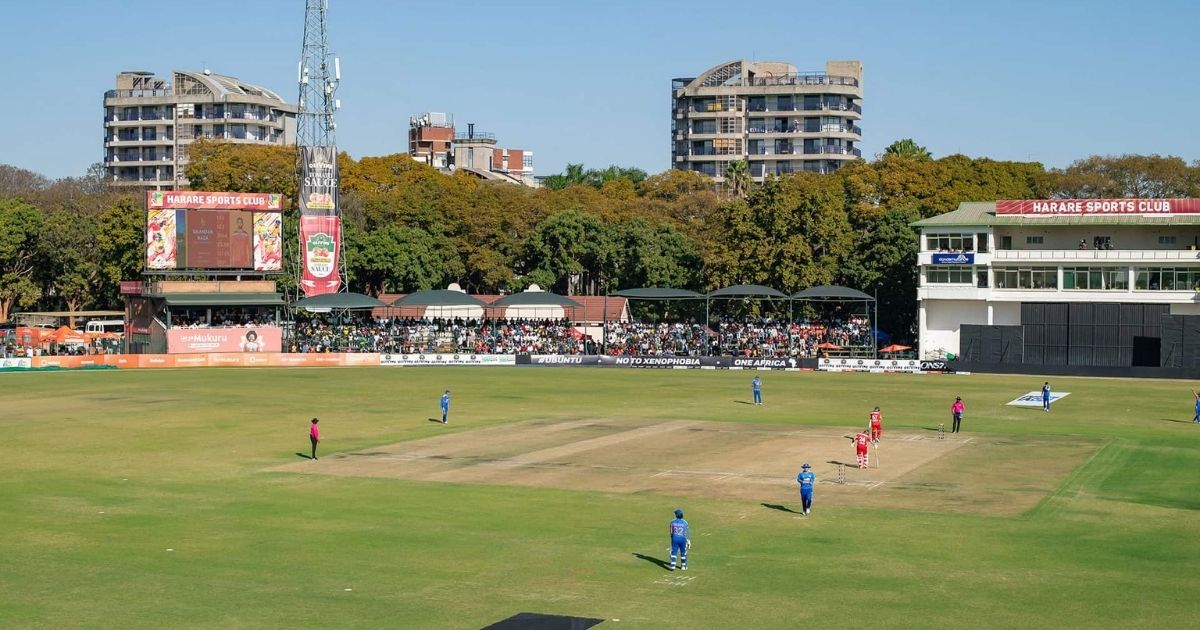
The ground: Harare Sports Club is one of the country’s best-known cricket venues, a leafy, low-slung ground in the capital where locals have watched international cricket for decades. Organisers say selected stands are being refurbished with bucket seats as part of the upgrade to World Cup standards. The capacity is around 10,000.
The city: Harare sits at about 1,500 metres above sea level, which gives it a milder climate than its latitude suggests, though October afternoons can still be fierce. It is a spacious, green city of wide boulevards, shaded gardens and a thriving arts scene.
What to do while you’re here:
- Visit the National Gallery of Zimbabwe and the Chapungu Sculpture Park to see the Shona stone sculpture for which the country is famous.
- Browse Mbare Musika, the city’s sprawling market, with a local guide.
- Take a day trip to Domboshawa or Epworth’s balancing rocks for granite landscapes, or to Lake Chivero for birdwatching and a sundowner.
- Head about two hours northwest to the cobalt-blue Chinhoyi Caves.
Fixture to note: Zimbabwe play Australia at Harare Sports Club on 15 October 2027, and are also scheduled to face Pakistan in Harare.
Bulawayo: the City of Kings
The ground: Queens Sports Club is one of the oldest cricket grounds in the country and will host Zimbabwe’s opening match of the tournament against Qualifier A on 9 October. Floodlights are planned for the ground, and, as in Harare, selected stands will get new bucket seating. The capacity is around 12,500.
The city: Bulawayo, Zimbabwe’s second city, has a grid of broad, tree-lined streets, colonial-era architecture and a slower pace than the capital. It is the gateway to some of the country’s finest heritage sites.
What to do while you’re here:
- Spend a day in the Matobo Hills, a UNESCO World Heritage Site about an hour’s drive from the city. Expect balancing granite boulders, ancient rock art and the chance to track white rhino on foot. The grave of Cecil Rhodes at World’s View is a contested but striking viewpoint.
- Explore the Khami Ruins, another UNESCO-listed site, the remains of a stone-built capital that flourished centuries ago.
- Visit the Natural History Museum of Zimbabwe, among the largest of its kind in southern Africa.
- Try Bulawayo’s food scene, which blends Ndebele traditions with the region’s braai culture.
Fixture to note: Zimbabwe are also scheduled to play Afghanistan in Bulawayo.
Victoria Falls: cricket beside the “Smoke that Thunders”
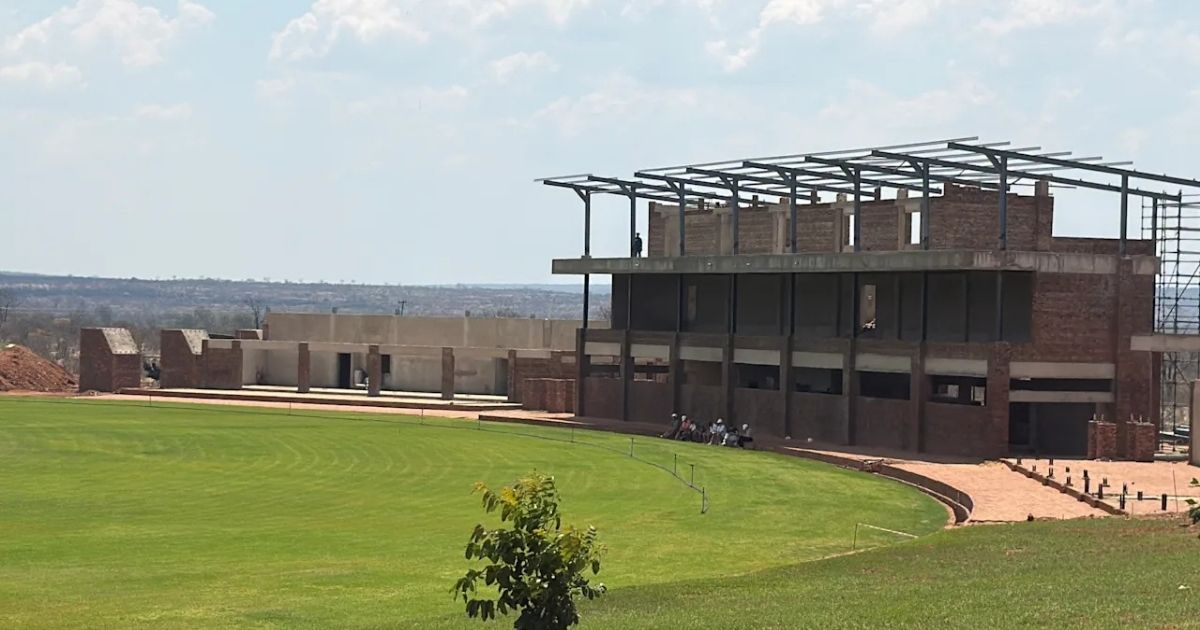
The ground: The Mosi-oa-Tunya International Cricket Stadium is a new, roughly 10,000-seat venue being built for the tournament. Mosi-oa-Tunya means “the smoke that thunders”, the local name for the falls. Full completion is targeted for mid-2027, with an international series planned to test the facilities, and floodlights are planned for the ground.
The fixture: The stadium’s first World Cup match will be Zimbabwe v India on 24 October 2027, the last game of the group stage. It is likely to be one of the toughest tickets of the tournament, so apply early.
The town: The small town of Victoria Falls is built around adventure and wildlife. It is compact and walkable, but accommodation is limited compared with the demand a World Cup will create.
What to do while you’re here:
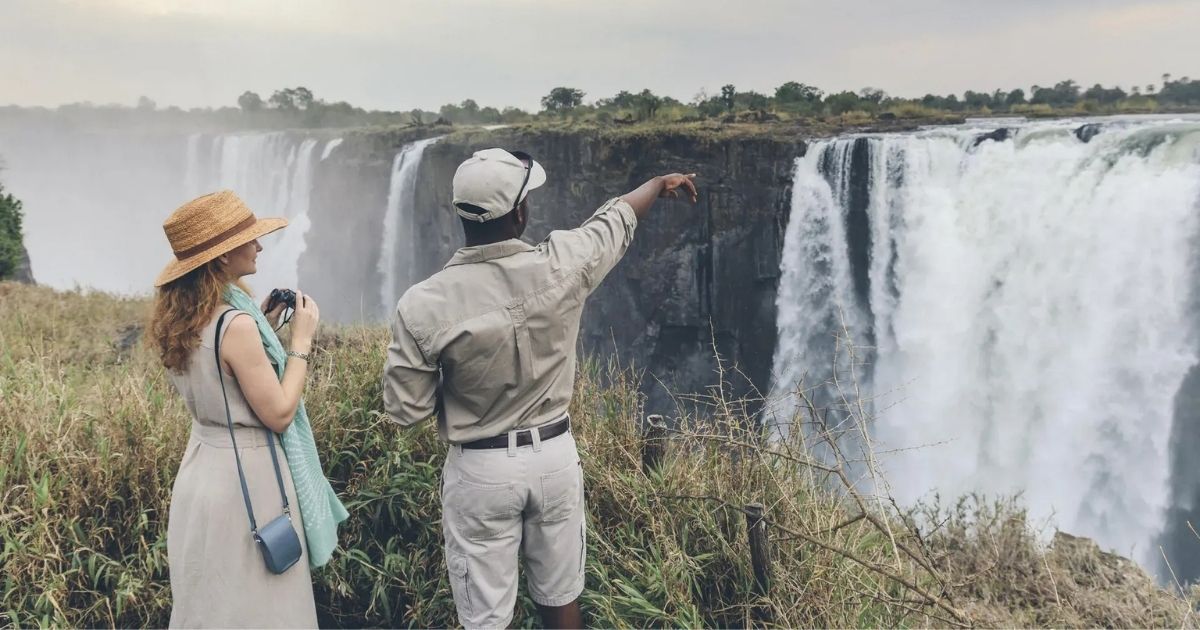
- See the falls themselves from the Zimbabwean side, where a network of paths runs along the edge of the gorge. In October and November, the Zambezi is at its lowest, which means less spray and clearer views of the rock face, but also a thinner curtain of water than in the rainy months.
- Take a sunset cruise on the Zambezi, a classic for good reason.
- Try white-water rafting in the Batoka Gorge, which is at its best in the low-water season, or step off the Victoria Falls Bridge on a bungee jump.
- Take high tea at the Victoria Falls Hotel, a historic landmark dating back to the early 20th century.
- For the adventurous, low water can allow swimming at Devil’s Pool on the Zambian side, at the lip of the falls.
Zimbabwe’s fixtures
Zimbabwe have been drawn in Group A, which includes India, Australia, Pakistan, Afghanistan and Qualifier A. The fixtures confirmed so far include:
| Date | Match | Venue |
|---|---|---|
| 9 October 2027 | Zimbabwe v Qualifier A | Queens Sports Club, Bulawayo |
| 15 October 2027 | Zimbabwe v Australia | Harare Sports Club, Harare |
| 24 October 2027 | Zimbabwe v India | Mosi-oa-Tunya Stadium, Victoria Falls |
Zimbabwe are also scheduled to face Pakistan in Harare and Afghanistan in Bulawayo. Check the ICC’s official schedule for the dates and start times of those games, and for fixtures between other teams being played in Zimbabwe.
How the tournament works
The 2027 World Cup introduces a new three-stage format:
- Super Series: a short playoff in Namibia involving the second-, third- and fourth-placed finishers from the qualifier, played on 2, 4 and 6 October.
- Group stage: 12 teams, split into two pools of six, play each team in their pool once.
- Super Seven: a round-robin stage from which the top four sides advance to the semi-finals.
The final is on 21 November 2027. All matches are 50-over, one-day internationals.
How to get Cricket World Cup 2027 tickets
Cricket World Cup 2027 tickets for the first sales phase are allocated by free, randomised ballot rather than on a first-come, first-served basis.
- Register at tickets.cricketworldcup.com before the ballot closes at 23:59 (SAST) on 21 November 2026.
- Choose the fixtures and ticket categories you want.
- Wait for the ICC to confirm whether you have been successful.
A few things to keep in mind:
- Entering is free and does not require payment details at the point of application.
- Entering does not guarantee tickets. The ICC reported more than one million ticket applications in the first three days, with India v Pakistan the most in-demand fixture.
- Early entry does not improve your odds in a randomised ballot, but do not leave it to the last minute.
- Prices range from about US$9.62 for entry-level tickets to US$31.31 for the highest-tier matches, which makes this one of the more affordable major sporting events in the world. Exchange rates may affect the final price.
- Beware of unofficial resellers. Buy only through the ICC’s official ticketing channels.
How to get to Zimbabwe

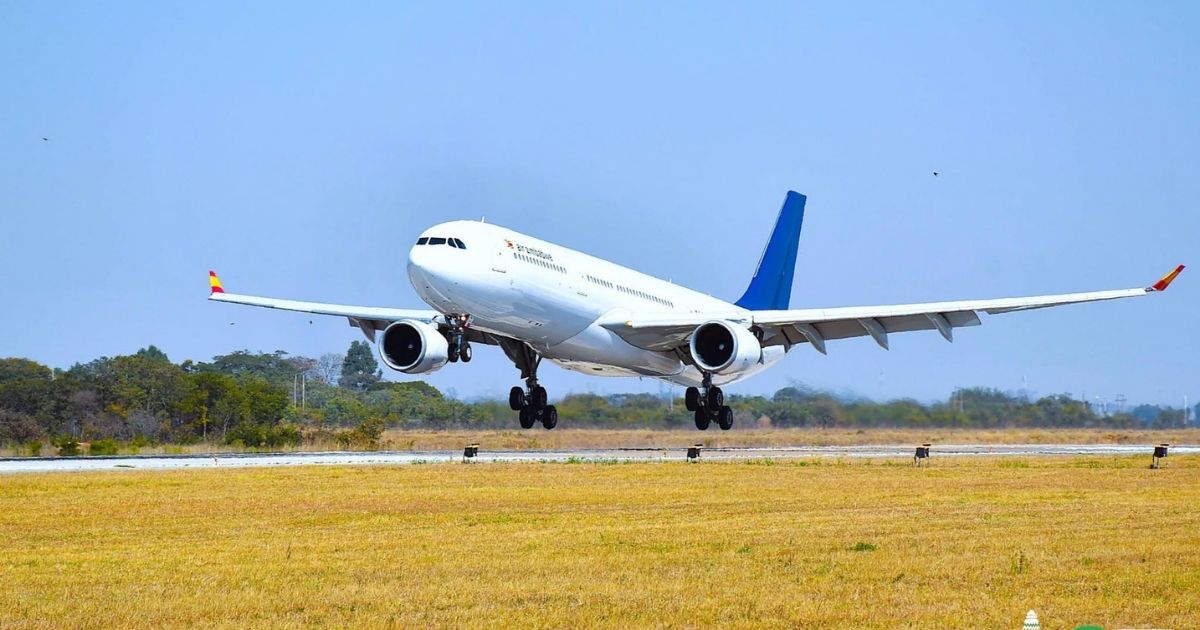
By air. Zimbabwe has three international gateways, which conveniently match the three host cities:
- Robert Gabriel Mugabe International Airport (HRE), Harare
- Joshua Mqabuko Nkomo International Airport (BUQ), Bulawayo
- Victoria Falls International Airport (VFA)
Airlines connect Harare with regional and global hubs including Johannesburg, Addis Ababa, Nairobi and Dubai, while Victoria Falls has regular links to South Africa. Many visitors from Europe, Asia and the Americas will route through Johannesburg, which is also a convenient base for fans combining matches in South Africa and Zimbabwe. Flight prices and availability can change quickly when a major schedule is published, so book early.
By road. Zimbabwe shares borders with South Africa, Botswana, Zambia and Mozambique. From Livingstone in Zambia, Victoria Falls is a short drive across the border, and the Kazungula crossing links the region to Botswana’s Chobe area.
Visas and entry requirements
Entry rules depend on your nationality and can change, so check the official Zimbabwean immigration website or your local embassy before you book. As a general guide:
- Many nationalities can obtain a visa on arrival or apply for an e-visa in advance.
- Citizens of some neighbouring countries are visa-exempt.
- Visitors who plan to cross between Zimbabwe and Zambia, for example to visit Livingstone, may be able to use the KAZA UNIVISA, a joint tourist visa. Check whether it is currently available and which countries it covers.
- Your passport should usually have at least six months’ validity and blank pages.
- A yellow fever certificate may be required if you are arriving from, or have recently transited, a country with a risk of yellow fever.
Getting around Zimbabwe
The distances are larger than many visitors expect. As a rough guide, Harare to Bulawayo is about 440km by road, and Bulawayo to Victoria Falls a similar distance, so allow around six hours for each leg by car or coach.
- Domestic flights connect Harare, Bulawayo and Victoria Falls, and are the fastest way to follow the team. They will be in high demand during the tournament.
- Intercity coaches are inexpensive and widely used by locals.
- Self-drive. Zimbabwe drives on the left, as in the UK, which will feel familiar to British visitors. Road conditions vary, so avoid driving at night and allow extra time.
- Private transfers and guided tours are the easiest option for matchday and safari logistics, and should be booked ahead.
Where to stay
Accommodation, especially in Victoria Falls, will be under pressure. The town has a limited number of hotels and lodges, and the Zimbabwe v India match is likely to fill them quickly.
- Book early, ideally as soon as you know your match dates, and choose free-cancellation rates where possible.
- Harare has the widest choice, from business hotels to guesthouses and boutique lodges in the leafy northern suburbs.
- Bulawayo is smaller but offers good-value hotels and guesthouses, some with garden settings.
- Victoria Falls ranges from luxury safari lodges on the Zambezi to budget backpacker hostels. If the town sells out, Livingstone in Zambia is an alternative base, though you will need to manage border crossings on matchday.
Weather and what to pack
October and November are at the hot, dry end of Zimbabwe’s seasons. Harare and Bulawayo typically see warm to hot days, often around 30°C, while Victoria Falls can be considerably hotter. The first rains usually arrive towards the end of the tournament, bringing humidity and the occasional afternoon thunderstorm.
Pack:
- Lightweight, breathable clothing, and a warm layer for cooler mornings and evenings
- A wide-brimmed hat, high-factor sunscreen and sunglasses (Zimbabwe’s altitude makes the sun stronger than you might expect)
- A reusable water bottle
- Comfortable walking shoes
- A power bank and a UK-style type G plug adaptor if needed (Zimbabwe uses 230V, and both type D and type G sockets are common)
- Insect repellent and any prescribed medication
Itineraries for cricket fans
The three-city tour: nine days
- Days 1–3, Harare: arrive, explore the city, and watch Zimbabwe v Australia at Harare Sports Club.
- Days 4–6, Bulawayo: travel by road or air, visit Matobo Hills and the Khami Ruins.
- Days 7–9, Victoria Falls: see the falls, take a sunset cruise, and add the Zimbabwe v India match if you have a ticket.
Cricket and safari: ten days
Combine a match in Bulawayo or Victoria Falls with time in Hwange National Park, about three hours from Victoria Falls and known for its large elephant herds. For something wilder, look at Mana Pools in the north, a UNESCO World Heritage Site where you can walk among wildlife, or Lake Kariba for houseboats and fishing.
Southern Africa double: two weeks
Watch matches in South Africa, fly to Zimbabwe for the Victoria Falls fixture, and consider an add-on in Namibia, where Windhoek hosts the Super Series matches that open the tournament. Distances are large, so choose a limited number of bases rather than trying to see everything.
What to eat and drink
Zimbabwean food is built around sadza, a thick maize porridge eaten by hand with a relish of stewed meat, greens or beans. Other things to try:
- Braai: a social barbecue, and a good alternative to stadium food
- Biltong and boerewors: cured meat and spiced sausage, popular across the region
- Kapenta: small, crisp fish from Lake Kariba
- Bream: Zambezi fish, often grilled
- Amasi: fermented milk, a refreshing and tangy staple
- Madora (mopane worms): for the adventurous
- Local drinks: Zambezi and Castle lagers, and Mazoe orange crush, a nostalgic drink
Money, health and safety
- Money: The US dollar is widely used for everyday transactions alongside Zimbabwe’s local currency, the Zimbabwe Gold (ZiG). Carry a mix of small US dollar notes and a card, and check current guidance on currency and cash rules before you travel. Card acceptance is good in hotels and larger restaurants, less so elsewhere.
- Health: Take out comprehensive travel insurance. Victoria Falls, Hwange, Lake Kariba and Mana Pools are in or near malaria-risk areas, so speak to a doctor or travel clinic about prophylaxis well before you travel. Drink bottled or treated water.
- Safety: Zimbabwe is widely regarded as a friendly country for visitors, and cricket fans are generally made welcome. As anywhere, take sensible precautions: avoid displaying valuables, use reputable taxis and check your government’s latest travel advice.
- Connectivity: Local SIM cards are inexpensive and available at airports. Power cuts and patchy mobile data are possible in some areas, so download maps and tickets in advance.
Matchday tips
- Arrive early. Security queues, bag checks and finding your seat all take time.
- Protect yourself from the sun. Hat, sunscreen and water are essential, especially at grounds with limited shade.
- Check the bag policy and prohibited items on the official ICC website before you leave.
- Bring ID and your ticket in digital and printed form if possible.
- Carry cash and a card, as some food stalls may not accept cards.
- Plan your transport home. Taxi/ride hailing service demand will be high after the final ball, so book a transfer or agree on a pick-up point.
- Soak up the atmosphere. Expect singing, dancing and good-natured rivalry in the stands, and plenty of conversation with local fans.
Frequently asked questions
When is the 2027 Cricket World Cup?
The tournament runs from 2 October to 21 November 2027.
Which countries are hosting it?
South Africa, Zimbabwe and Namibia. Zimbabwe’s venues are in Harare, Bulawayo and Victoria Falls.
Where is Zimbabwe playing?
Zimbabwe’s confirmed home fixtures are in Bulawayo (against Qualifier A on 9 October), Harare (against Australia on 15 October) and Victoria Falls (against India on 24 October). They are also scheduled to play Pakistan in Harare and Afghanistan in Bulawayo.
How much are tickets?
Prices currently range from around US$9.62 to US$31.31, depending on the match and category.
How do I buy tickets?
Register for the free ticket ballot at tickets.cricketworldcup.com before 23:59 (SAST) on 21 November 2026. Entering does not guarantee a ticket.
Do I need a visa for Zimbabwe?
It depends on your nationality. Many visitors can get a visa on arrival or apply online, but you should confirm with the official Zimbabwean authorities before you travel.
Is the Victoria Falls stadium ready?
It is under construction, with full completion targeted for mid-2027 and an international series planned to test the venue ahead of the World Cup.
Can I visit Zimbabwe, South Africa and Namibia on the same trip?
Yes, though the distances are large. Most visitors will find it easiest to fly between hubs such as Johannesburg and Victoria Falls rather than drive.
The final word
A World Cup is, in the end, an excuse. The best trips come from what happens around the cricket: the conversation with a stranger in the next seat, the plate of sadza at a roadside stall, the first sight of spray rising above the Zambezi gorge. Zimbabwe in October 2027 offers all of that, with a trophy at stake and some of Africa’s greatest landscapes as a backdrop.
The ballot is open. The jacarandas will be out. The only thing left to decide is where to sit.
Planning your trip? Explore more on Zimbabwe Travel Hub, including our guides to [Harare], [Bulawayo] and [Victoria Falls].