
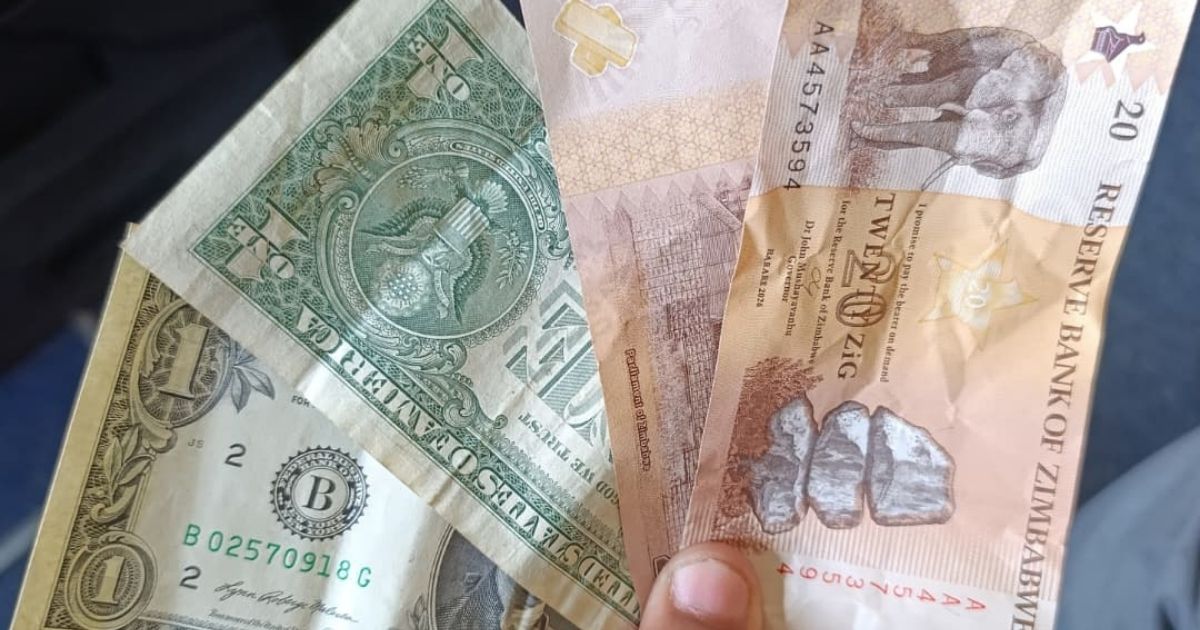
Currency in Zimbabwe
Of all the practical questions a first-time visitor to Zimbabwe has to navigate, the currency question is the one most likely to produce a long, uncertain pause.
Zimbabwe has, since independence in 1980, introduced and abandoned six different currencies. It went through one of the most severe hyperinflationary episodes in recorded history. It abandoned its own currency entirely and ran on the US dollar for over a decade. And in April 2024, it launched something entirely new: a gold-backed currency called the ZiG, the Zimbabwe Gold, which has, against most expectations, shown a degree of stability its predecessors could not manage.
None of this is as complicated as it sounds for a visitor. The practical rules are straightforward. But understanding the landscape, why things are the way they are, and what that means for your trip, is genuinely useful before you arrive.
A Short History of a Long Problem
To understand Zimbabwe’s currency in 2026, it helps to understand how the country got here.
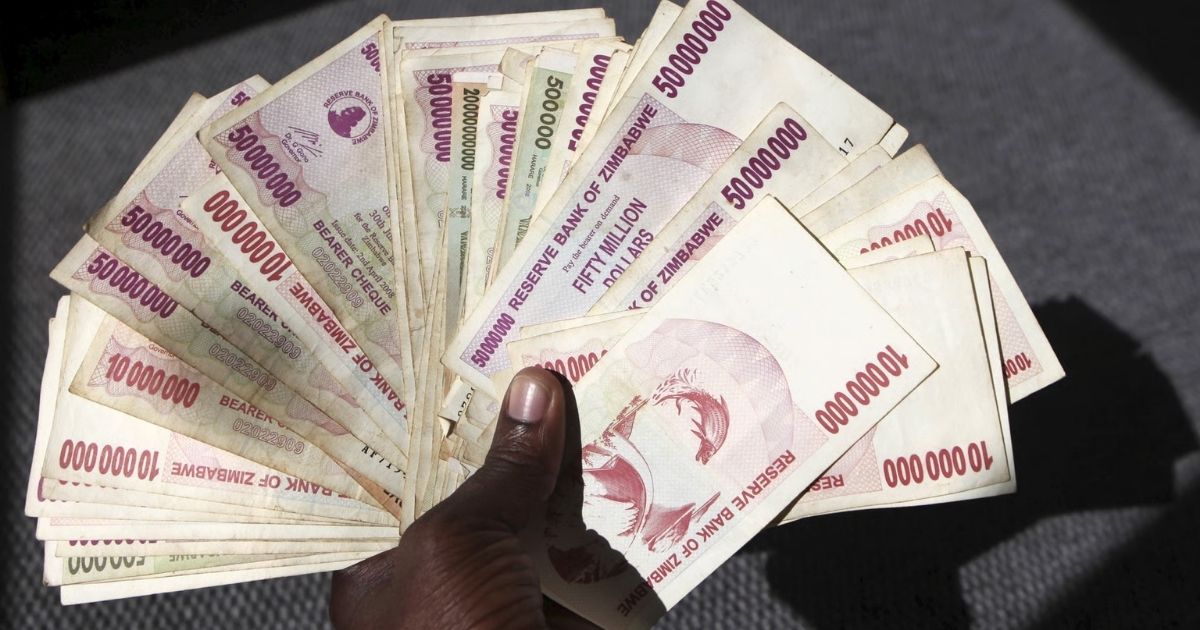
The Zimbabwean dollar, introduced in 1980, functioned reasonably well through the early decades of independence before collapsing catastrophically in the late 2000s under a hyperinflation that peaked at an officially estimated 89.7 sextillion percent per month in November 2008, one of the highest rates ever recorded anywhere in the world.
The government responded by abandoning the currency entirely and adopting a multicurrency system in 2009, with the US dollar and South African rand as the primary mediums of exchange. For the better part of a decade, Zimbabwe had no currency of its own.
Subsequent attempts to reintroduce a local currency, through bond notes from 2016 and a resurrected Zimbabwean dollar from 2019, produced further instability, further inflation, and further erosion of public trust.
By early 2024, the Zimbabwe dollar had lost almost its entire value against the US dollar, trading at roughly 50,000 Zimbabwe dollars to one US dollar before the authorities finally abandoned it.
What came next was the ZiG.
What the ZiG Is and How It Works
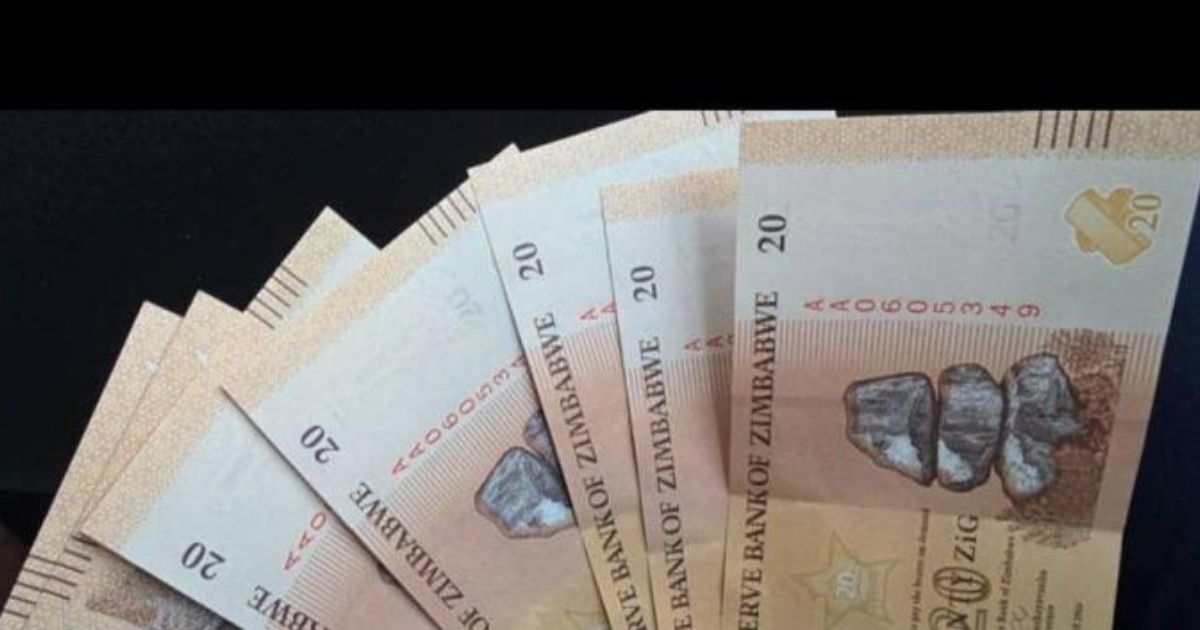
The Zimbabwe Gold, known by its currency code ZWG and its popular name ZiG, was introduced by the Reserve Bank of Zimbabwe on 5 April 2024.
It is a structured currency backed by a combination of gold reserves and foreign currency held by the central bank.
When it was launched, the backing comprised 2.5 tonnes of gold and approximately $100 million in foreign currency reserves. By September 2025, those reserves had grown to over $900 million, a significant expansion that has underpinned the currency’s relative stability.
The ZiG is Zimbabwe’s sixth attempt at a functioning local currency in 15 years, a context that goes some way to explaining the scepticism with which it was initially received.
That scepticism has been partially answered by the numbers. As of early 2026, one US dollar exchanges for approximately 25 ZiG at the official rate, down from a brief peak of around 28.68 ZiG per dollar in November 2024 following a 43 percent devaluation in late September of that year.
Since that devaluation, the exchange rate has been broadly stable, with monthly inflation falling to 0.3 percent by mid-2025 and annual inflation standing at 4.4 percent as of March 2026, a figure that would have seemed implausible against Zimbabwe’s recent monetary history.
Whether the ZiG represents a genuine and durable stabilisation or simply the latest chapter in a longer pattern of monetary difficulty is a question economists continue to debate.
For the visitor arriving in 2026, the honest answer is that it has behaved better than expected and that the practical situation on the ground is more manageable than Zimbabwe’s reputation for currency chaos might suggest.
The Practical Reality: USD Is Still King
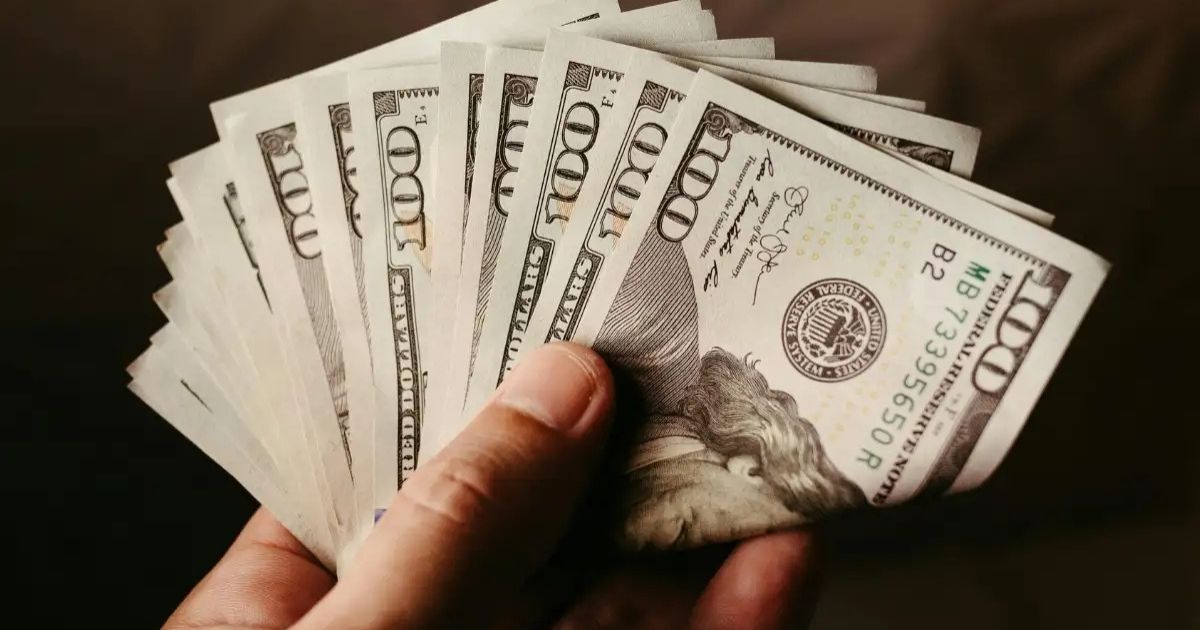
Whatever the long-term trajectory of the ZiG, the immediate reality for visitors is that US dollars remain the dominant currency in Zimbabwe’s tourist economy.
Hotels, safari lodges, national park entrance fees, activity operators, restaurants, and most shops in tourist areas price and transact primarily in USD.
In the major tourist destinations, including Victoria Falls, Hwange, Harare‘s northern suburbs, and the Eastern Highlands, a visitor who arrives with adequate US dollar cash and no ZiG will encounter no meaningful difficulty.
The multicurrency system remains legal, with both ZiG and USD recognised as official tender. In practice, what this means is that you will pay in USD at most tourist-facing businesses and may receive ZiG as change for smaller transactions, particularly in supermarkets, local restaurants, and craft markets.
Holding onto ZiG received as change and using it for small purchases, local transport, and market shopping is sensible.
Attempting to conduct your entire Zimbabwe trip in ZiG, or treating it as your primary currency, is not the approach most experienced travellers or operators recommend.
The South African rand is also accepted in border towns. Beitbridge in the south and Mutare in the east, both significant crossing points, see rand used alongside USD for everyday transactions, and if you are crossing from South Africa by road, arriving with a small amount of rand alongside your dollars is useful for the immediate border area.
What to Bring and How to Carry It
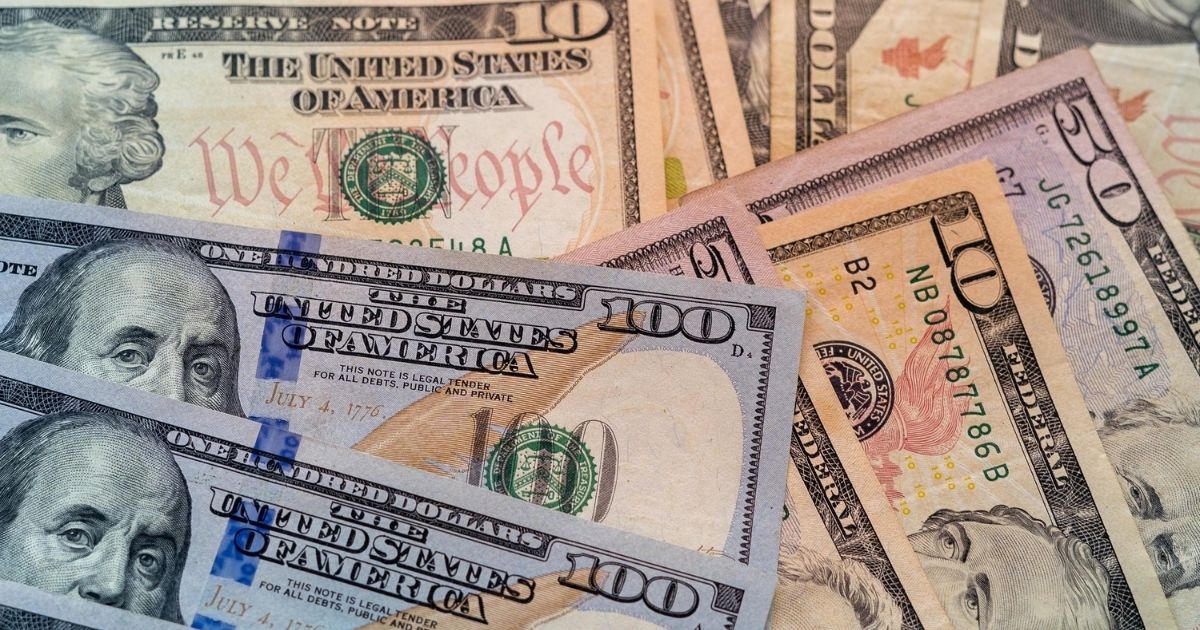
The single most important piece of practical advice about money in Zimbabwe is this: bring enough US dollar cash before you arrive, in the right denominations, and plan your trip around cash rather than card payments or ATMs.
Denominations matter. Small notes, specifically $1, $5, and $10 bills, are disproportionately useful throughout Zimbabwe. Change is perpetually scarce across the country, and handing a $50 note for a $12 purchase at a local restaurant or craft market creates awkwardness and sometimes genuine difficulty.
Arriving with a good supply of small notes covers tips, market purchases, fuel at rural stations, local restaurants, and the dozens of smaller transactions a two-week trip produces.
Larger denominations, $20s and $50s, are fine for hotels, lodges, and established restaurants where the infrastructure to handle them exists.
Note condition matters. US dollar notes in Zimbabwe must be clean, undamaged, and free of tears, significant marks, or heavy wear.
Older notes, particularly those printed before 2013, are widely rejected. Banks, lodges, and exchange bureaux will refuse worn, torn, or pre-2013 printed notes without exception, and arguments to the contrary will not succeed. Before leaving home, ask your bank specifically for clean, post-2013 printed USD notes. It sounds like an unusual request, but bank tellers who deal with travellers are familiar with it.
How much to bring depends entirely on your itinerary and what your accommodation covers. Most mid-range and luxury safari lodges in Zimbabwe operate on all-inclusive or full-board packages that cover accommodation, meals, game activities, and often laundry and soft drinks, meaning the daily spend on top of lodge costs is relatively modest.
As a rough guide for spending money outside of accommodation, $100 to $150 per person per day is a comfortable budget that covers meals out, activities, tips, market shopping, and incidentals without stress.
On ATMs: Lower Your Expectations
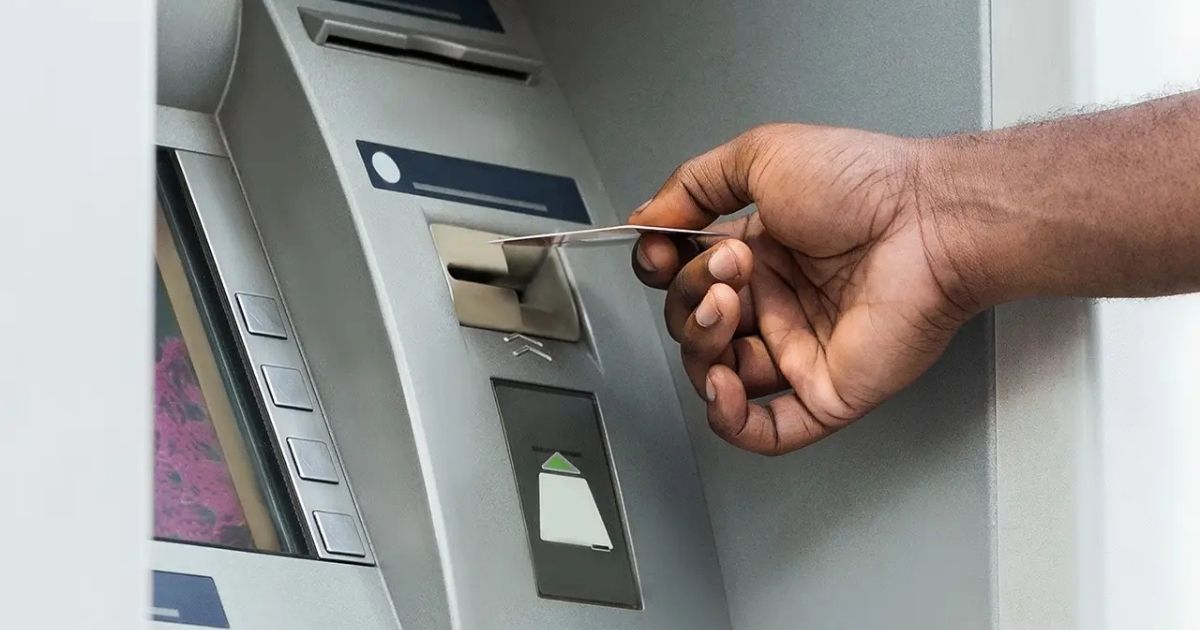
ATMs in Zimbabwe exist and are more numerous in Harare, Bulawayo, and Victoria Falls than in smaller towns and rural areas. However, treating them as a reliable source of US dollars would be a mistake.
Most ATMs in Zimbabwe dispense ZiG rather than US dollars. Some Stanbic and CBZ machines in Harare and Victoria Falls are capable of dispensing USD, but their availability is inconsistent; they run out of cash during peak travel periods, and foreign cards do not always work even when the machines are functional.
Network connectivity failures are a regular occurrence. The fee structure adds to the inconvenience: Zimbabwean bank ATMs typically charge a fee of between 2 and 3.5 percent of the transaction amount, with minimum charges of $2 to $5 per withdrawal regardless of how little you take out.
The most reliable approach is to source your Zimbabwe cash before departure. OR Tambo International Airport in Johannesburg is the most commonly used transit point for international visitors to Zimbabwe, and its forex facilities are well-stocked and reliable for USD.
Addis Ababa Bole Airport, the other major transit hub via Ethiopian Airlines, is similarly equipped. Arriving in Zimbabwe with your cash already in hand removes the ATM problem from the equation entirely.
There is also a legal point worth noting: it is illegal to depart Zimbabwe carrying more than $2,000 in cash unless those funds are the remnant of money you brought in yourself and declared on arrival. This is not a concern for most visitors, but for those travelling on extended itineraries or carrying larger amounts for combined-country trips, it is worth being aware of.
Card Payments: Useful in the Right Places
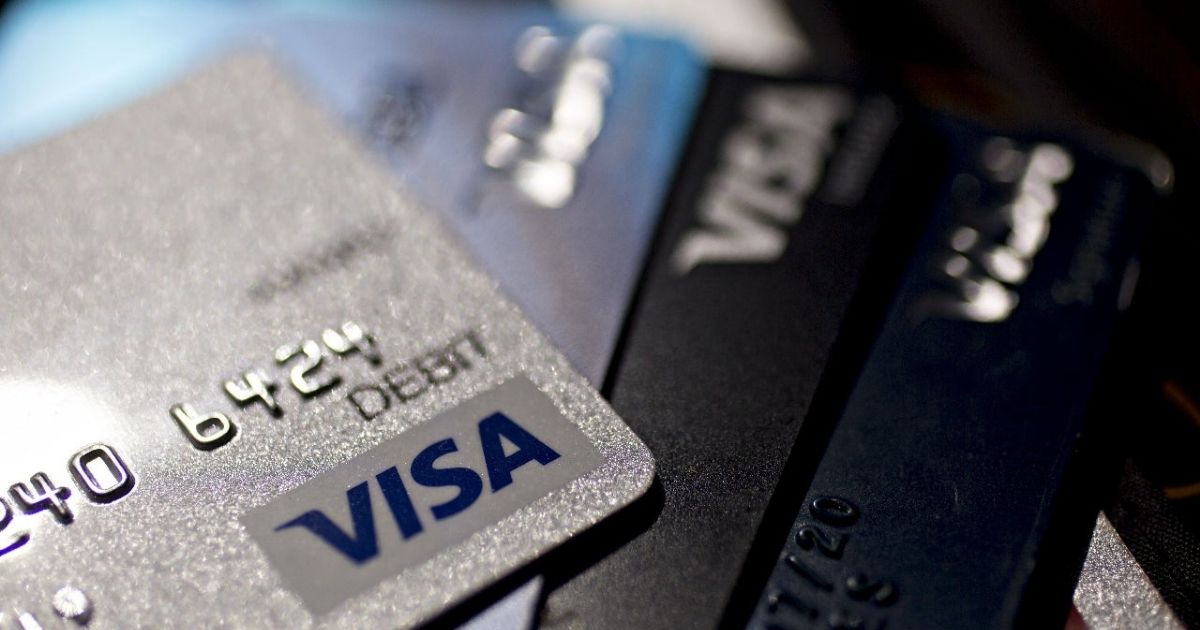
Credit and debit cards, primarily Visa and Mastercard, are accepted at most luxury lodges, upmarket hotels, established restaurants in Harare and Victoria Falls, and larger tour operators. For a trip that stays within that tier of service, cards provide a reliable backup for larger payments.
Below that level, card acceptance becomes significantly less reliable. Smaller guesthouses, local restaurants, craft markets, rural fuel stations, and most activity operators outside the major tourist infrastructure operate on a cash-preferred or cash-only basis.
Even in establishments that nominally accept cards, network outages, intermittent connectivity, and card terminal failures are common enough that arriving at a restaurant after a full meal and discovering the card machine is down is a situation Zimbabwe has produced for more visitors than it should.
The sensible approach is to treat card payments as a supplement rather than a primary method: useful where they work, not something to depend on when cash runs short.
Mobile money, specifically EcoCash on the Econet Wireless network, is Zimbabwe’s dominant digital payment platform and is used by millions of Zimbabweans for everyday transactions.
EcoCash is most practical for local transport, small market purchases, and interactions with informal traders. For visitors staying more than a few days and wanting to engage more deeply with local commerce, buying an Econet SIM card at the airport or any Econet shop, loading it with a small amount, and registering for EcoCash is a reasonable step. For those on shorter itineraries staying within the tourist economy, it is an optional extra rather than a necessity.
Exchanging Money
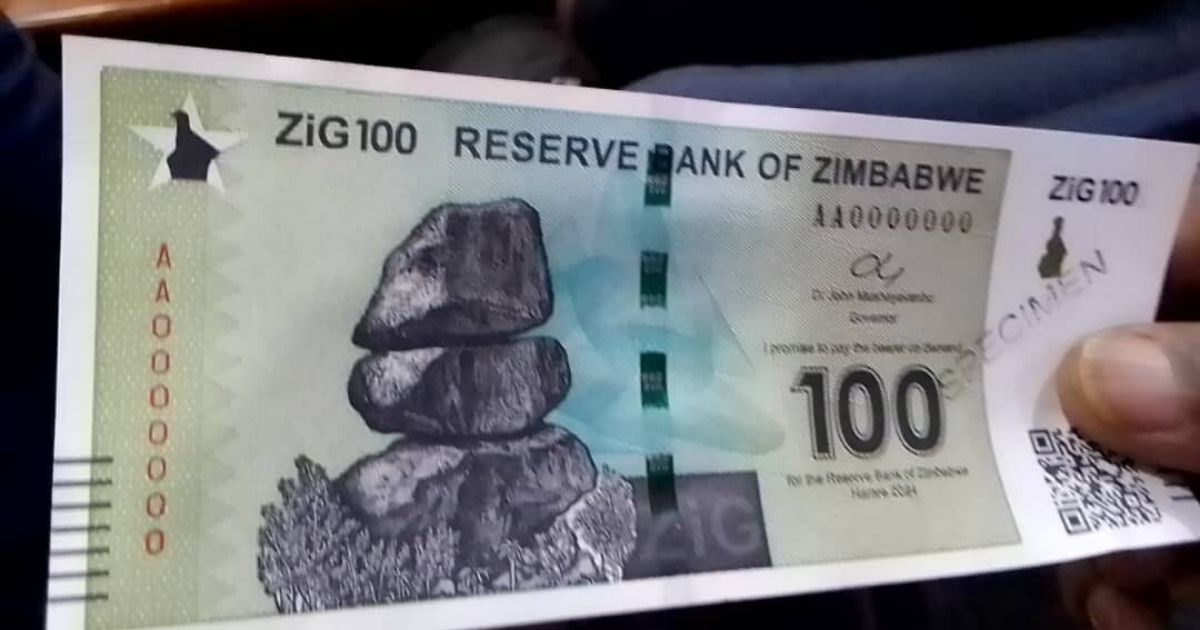
For visitors who arrive with USD and want a small amount of ZiG for local purchases, foreign exchange bureaux operate in Harare, Victoria Falls, and Bulawayo and offer the official exchange rate for USD to ZiG conversions. Banks also offer exchange services during business hours, which in Zimbabwe run from 8.30am to 3pm on most weekdays, with a shortened day on Wednesdays ending at noon.
A parallel market for currency exchange has historically existed in Zimbabwe, a consequence of the gap between official and informal exchange rates. The gap has narrowed significantly since late 2024, with the parallel market premium falling to below 25 percent by mid-2025.
For visitors, transacting through official channels rather than informal money changers is the legally correct and practically straightforward approach, particularly given that the gap between official and parallel rates no longer justifies the legal risk it once might have seemed to.
The Bottom Line
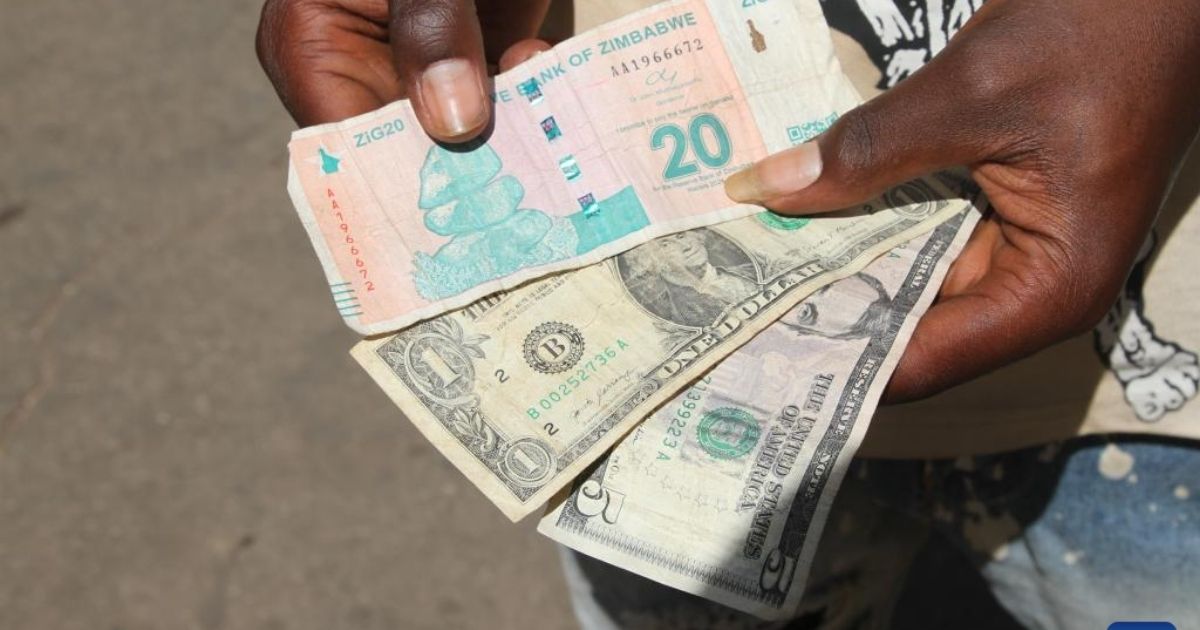
Zimbabwe’s currency landscape in 2026 is considerably more stable than the country’s recent history might lead a visitor to expect, but it remains a cash-first, USD-dominant environment that rewards preparation.
The ZiG exists, has shown genuine stability, and will appear in your change and at local markets. The US dollar is what you will need for the majority of your trip.
Bring enough clean, small-denomination USD cash to cover your full itinerary without relying on ATMs.
Keep a modest supply of ZiG for smaller transactions. Carry your card as a backup for the establishments that take it. And budget a realistic daily spend on top of your accommodation costs rather than planning to draw cash as you go.
Zimbabwe, for all its monetary complexity, is not a difficult country to travel in once you understand how money actually works on the ground.
The wildlife is extraordinary, the people are exceptionally warm, and the experience of being there, for most visitors, long outweighs the minor inconvenience of travelling with more cash than they are used to carrying.
Zimbabwe Travel Hub, updated June 2026. Exchange rates, ATM availability, and currency regulations are subject to change. Always verify current rates and entry requirements before travel.