Planning a trip to Southern Africa requires reliable ground insights, so we put together this comprehensive Zimbabwe First-Timer’s Travel Guide.
Zimbabwe has spent the past decade quietly rebuilding its position as one of the continent’s defining safari destinations, and the numbers are finally catching up with the argument.
Hwange’s massive elephant herds move through mopane woodland in numbers that rival anywhere in Africa.
Mana Pools remains one of the final wildernesses where visitors can walk, completely unfenced, among lion and buffalo.
Further west, Victoria Falls has matured into a genuine adventure capital rather than a mere day-trip afterthought. What outsiders often miss, though, is the incredible cultural texture running beneath the wildlife.
This guide is built for the person landing in Zimbabwe for the first time, with no assumptions about what you already know.
We’ll work through the paperwork, the money, the safety questions people are too polite to ask outright, and the seasonal logic that decides whether your trip centres on thundering water or golden grass.
Zimbabwe Global Entry Requirements: The Visa System Explained
Zimbabwe’s entry requirements run on a three-tier nationality system, and understanding which category you fall into before you fly saves real time at the border. This is the single most-searched practical question from first-time visitors, so it’s worth getting precise.
Category A: Visa exempt
Nationals of a defined group of countries, largely regional SADC neighbours and a scattering of others, enter without a visa at all. South Africa, Botswana, Malawi, Mozambique and Namibia all fall here, alongside Kenya, Uganda, Tanzania, Malaysia and Singapore. An entry declaration can still be pre-filled online, but no fee applies.
Category B: Zimbabwe visa on arrival.
This is where most long-haul tourists sit, including passport holders from the United States, Australia, China, India, Japan, South Korea, Brazil and every EU member state. The visa is bought in cash USD at the airport or land border with no advance application required, though pre-filling the declaration online speeds up the queue considerably.
Fees vary by nationality:
- US, Australian, most EU and other Category B nationals: $30 single entry, $45 double entry
- UK, Irish and Canadian nationals: a higher tier, $55 single entry, $75 double entry
KAZA Univisa
Costs $50, and this is the one worth understanding properly if Victoria Falls is on your itinerary. It’s a joint Zimbabwe and Zambia visa valid for 30 days, allowing unlimited crossings between the two countries to see the falls from both sides, plus a same-day pass into Botswana via the Kazungula border. It’s issued mainly at Victoria Falls Airport, the Victoria Falls land border and Kazungula.
Category C: Visa required before travel
A defined list of nationalities cannot obtain a visa at the border under any circumstances and must secure an approved eVisa before departure. This includes Nigeria, Pakistan, Bangladesh, the Philippines, Nepal, Thailand, Vietnam and Sri Lanka, among others.
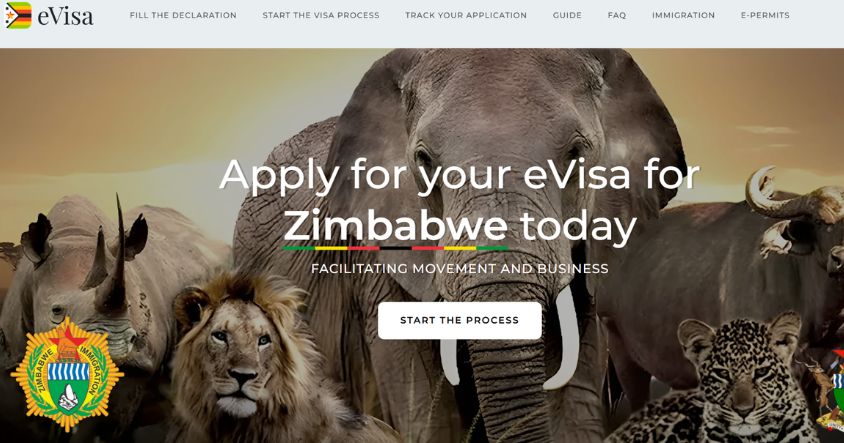
If your passport falls in this group, apply through the official government portal at evisa.gov.zw, and do it at least three weeks ahead of travel.
Processing typically runs three to seven working days, but Zimbabwean immigration reserves the right to request further documents, and there’s no fallback option at the airport if your application hasn’t cleared.
Whatever category applies to you, the baseline passport rules hold across the board: at least six months’ validity from your entry date, a minimum of two consecutive blank visa pages (six if you’re transiting through South Africa), and proof of onward or return travel.
Immigration officers can also ask for evidence of accommodation and sufficient funds, so keep a booking confirmation handy.
The Zimbabwe Currency Ecosystem
Zimbabwe’s monetary history is well known even to people who’ve never visited, and it’s fair to arrive with questions.
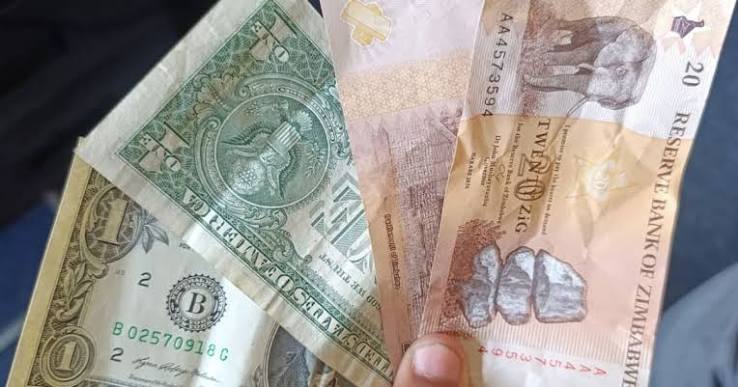
The country currently operates a dual-currency system.
The Zimbabwe Gold, known locally as ZiG, is the domestic currency Zimbabweans use for everyday transactions, while the US dollar remains the effective currency of the tourism industry.
Lodges, national park fees, activity operators, and most restaurants in Victoria Falls, Harare and Bulawayo quote and settle in USD as a matter of course.
Practically, this means you should:
- Carry a reasonable amount of small-denomination USD cash, ideally $1, $5, $10 and $20 bills free of tears, marks or excessive wear. Older or damaged notes are commonly refused at both banks and small vendors.
- Not rely on ATMs to top up USD. Machines in Zimbabwe are inconsistent and shouldn’t be treated as a backup plan, particularly once you’re away from Harare or Bulawayo.
- Treat credit cards as a convenience rather than a certainty. Major hotels and upmarket lodges generally accept Visa and Mastercard, but connectivity drops are common, and remote border posts and rural camps may not process cards at all.
- Expect ZiG as change from smaller purchases. It’s usable for minor local spending, but there’s no need to actively exchange USD for it as a tourist.
Is Zimbabwe Safe?
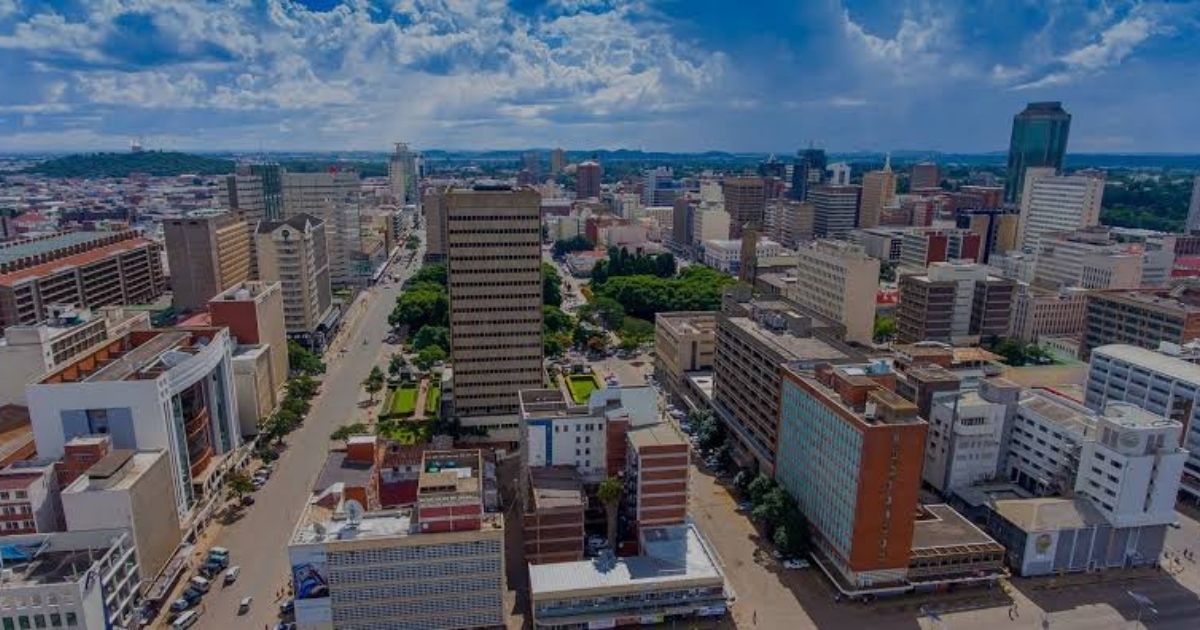
This is the question that stops more first-time visitors than any other, and it deserves a straight answer rather than a marketing one.
Violent crime targeting tourists is genuinely rare in Zimbabwe.
The bigger risk profile is the same as in most developing-world cities: opportunistic petty theft, particularly around bus terminals, markets and poorly lit streets after dark.
Sensible precautions, the kind any experienced traveller already practises, cover most of the risk. Keep valuables out of sight, use reputable transfer companies and registered safari operators rather than unlicensed touts, and avoid walking alone in urban areas late at night.
Health considerations matter more than crime for most visitors.
Malaria risk is real in the country’s low-lying regions, particularly the Zambezi Valley, Mana Pools and parts of Hwange, while Harare and Bulawayo sit at a higher elevation with correspondingly lower transmission risk.
Speak to your GP or a travel health clinic well before departure about prophylaxis suited to your itinerary and medical history, and pack insect repellent for dusk, when mosquito activity peaks.
On water, stick to bottled or properly filtered water throughout your trip, including for brushing teeth in more remote camps, and a yellow fever certificate is mandatory if you’re arriving from or transiting through a yellow fever endemic country.
Best Month to Visit Zimbabwe
Zimbabwe’s calendar splits cleanly into two experiences, and which one suits you depends on what you’re travelling to see.
The dry season (May to October)
This is peak wildlife-viewing territory. As surface water disappears, animals concentrate around the remaining rivers and pans, making sightings dramatically more predictable, particularly in Hwange. June through August brings cooler, crisper mornings and evenings, sometimes cold enough for a proper jacket at dawn game drives, while September and October heat up considerably as the rains approach, pushing wildlife even harder toward water sources.
The green season (November to April)
The season transforms the landscape into something lusher and more photogenic, with dramatic cloud formations and newborn animals across many species. It’s also the standout period for birders, as migrant species arrive in force. Rain, concentrated mainly between December and March, can make some roads in remoter parks like Mana Pools impassable, so this season suits visitors prioritising scenery and birdlife over guaranteed sightings.
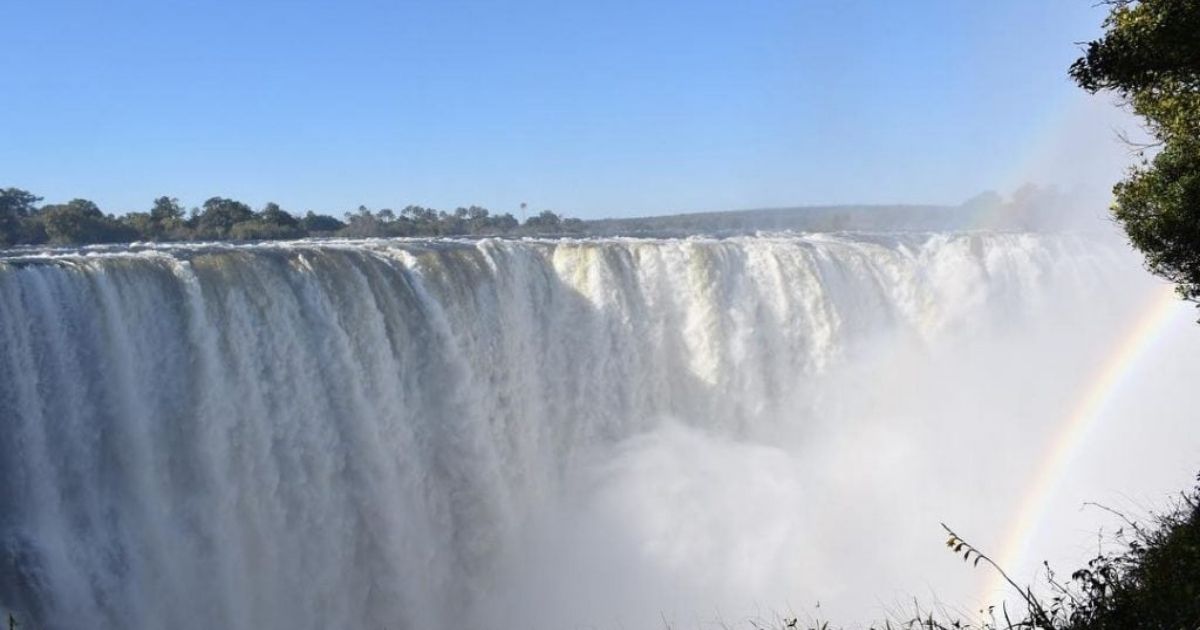
Victoria Falls Water Levels
- Peak Flow (April and May): Fed by floods from the upper Zambezi catchment, the spray becomes a dense wall of mist. The volume is so immense it can actually obscure the rock face itself, though the roar and the lunar rainbows are spectacular.
- Low Flow (October through December): The water drops to its lowest level, revealing the dramatic black basalt rock face. While the Zimbabwean side maintains a permanent flow, the Zambian side dries up completely, opening up the famous, seasonal Devil’s Pool.
Beyond the Falls: Essential Zimbabwe Destinations
Victoria Falls: The Adventure Hub
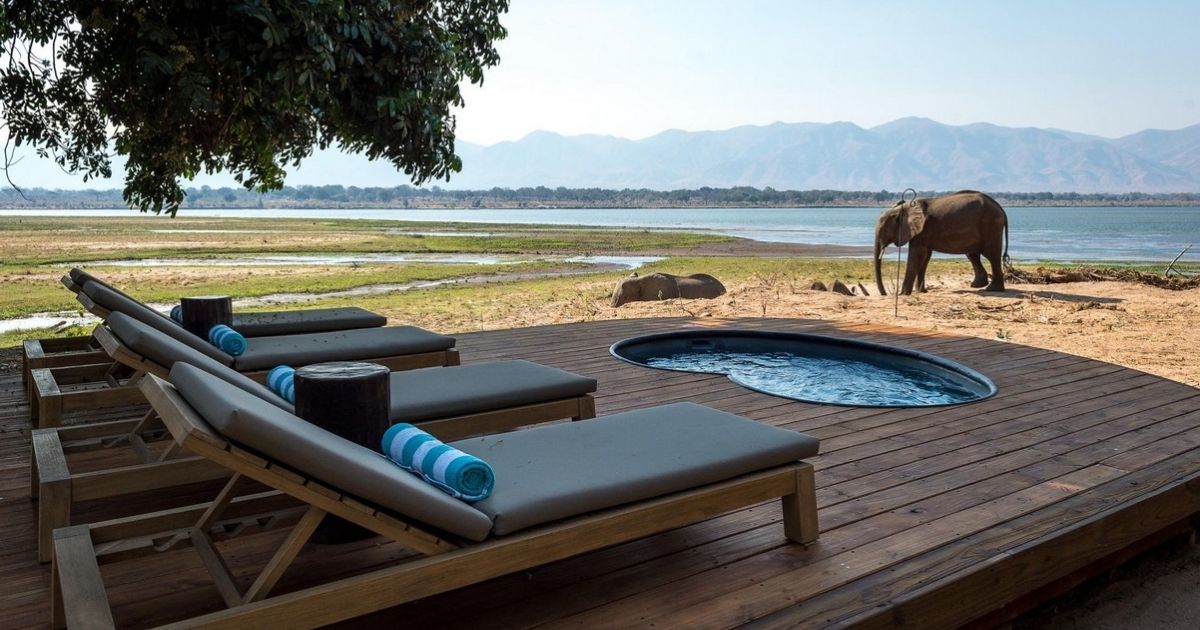
Beyond the classic rainforest viewpoints, the town anchors a massive array of activities. It caters equally to adrenaline seekers, with bungee jumping from the historic bridge and white-water rafting through the Batoka Gorge, and those seeking relaxed luxury, such as sunset cruises along the upper Zambezi where hippos and elephants gather to drink at dusk.
Hwange National Park: The Land of Elephants
Hwange is Zimbabwe’s largest conservation area, and its elephant population is among the densest on earth. Dry-season waterhole viewing here is unparalleled. It is not uncommon to sit at a single hide and watch herds numbering in the hundreds converge peacefully at a single pan.
Mana Pools National Park: Unfenced and On Foot
A UNESCO World Heritage site along the Zambezi River floodplain, Mana Pools offers an experience few African parks allow: un-vehicled walking safaris. Guided on foot by world-class professional guides, you can walk among lions, wild dogs, and bull elephants across open grove terrain. It is a raw, immersive tier of safari that rewards travellers seeking deep connection over insulated luxury.
Matobo Hills and Great Zimbabwe: Living History
- Matobo Hills: These surreal granite kopjes shelter some of Southern Africa’s finest concentrations of ancient San rock art. The park is also a critical sanctuary for black and white rhinos, which visitors can track on foot with National Parks scouts.
- Great Zimbabwe National Monument: The medieval stone-walled city that gave the modern country its name (Dzimba-dza-mabwe, meaning “houses of stone”). It remains the largest ancient structure in sub-Saharan Africa south of the Sahara. Standing inside the towering walls of the Great Enclosure offers a humbling glimpse into an advanced African empire.
Logistics and Packing Essentials
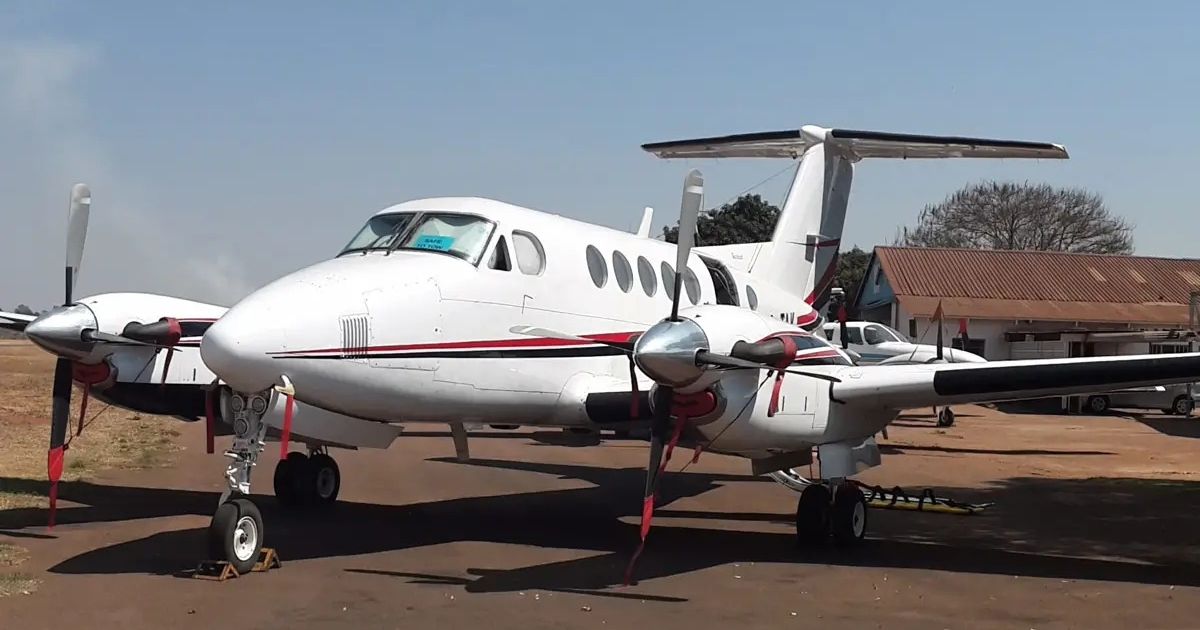
Getting between Zimbabwe’s main hubs comes down to a straightforward trade-off between time and budget.
Domestic charter flights connect Harare, Victoria Falls, Hwange, and Mana Pools seamlessly, cutting travel times from a gruelling full-day drive down to an hour. This convenience comes at a premium price. Conversely, road transfers are much cheaper but require patience with variable road conditions and a larger share of your itinerary.
A Practical Packing Philosophy
When preparing your bags, prioritise function over safari fashion:
- Colour Palette: Stick to neutral, earth-toned clothing, khaki, olive, beige, and stone. Avoid bright colours (which attract insects) and pure white (which quickly stains from the fine bush dust). Note: Blue and black clothing should be avoided entirely in safari zones as they attract tsetse flies.
- The Layering Rule: Temperatures swing dramatically between cold dawn game drives and the hot midday sun. Pack lightweight, breathable shirts, but bring a high-quality fleece, a windbreaker, and a beanie for the mornings.
- Footwear: Sturdy, comfortable, broken-in walking shoes or trail runners are vital if walking safaris in Mana Pools or rhino tracking in Matobo are on your list.
- Daily Essentials: A reliable pair of binoculars (essential for every traveller, not just birders), a wide-brimmed sun hat, high-factor sunscreen, and a headlamp or small torch for navigating darker camps at night.