

World Ranger Day 2026
The sun has barely risen over Zimbabwe’s largest national park when the day’s first tracks appear in the soft sand.
An elephant herd has passed during the night, leaving fresh footprints stretching towards a nearby waterhole.
A lion’s paw print cuts across the road, while the unmistakable spoor of African wild dogs disappears into the bush.
Long before safari vehicles arrive carrying excited visitors with cameras at the ready, wildlife rangers have already begun their patrol.
For many travellers, a safari is about unforgettable wildlife encounters and breathtaking landscapes.
Yet behind every successful game drive, every healthy elephant herd and every thriving national park is the work of people whose dedication often goes unnoticed.
As Zimbabwe joins the world in marking World Ranger Day 2026 on 31 July, it is worth recognising the men and women who make the country’s world-class safari experiences possible.
The people behind Zimbabwe’s wildlife success
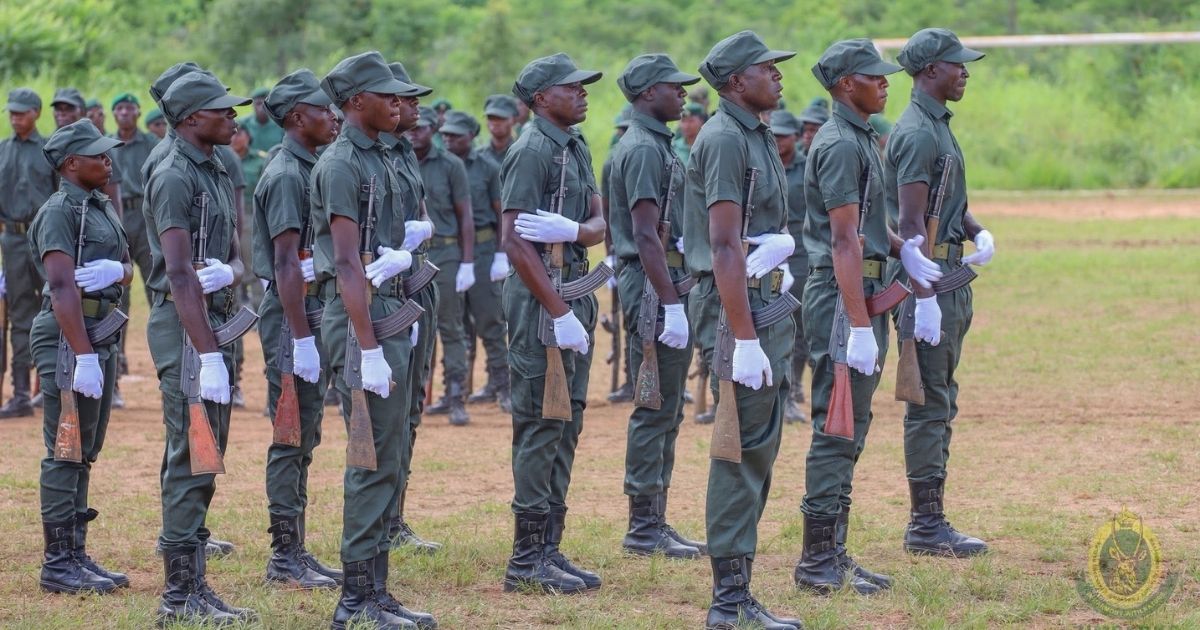
Zimbabwe is widely regarded as one of Africa’s premier safari destinations.
From the elephant-rich plains of Hwange National Park to the floodplains of Mana Pools National Park, the rugged wilderness of Gonarezhou National Park and the shores of Lake Kariba in Matusadona National Park, visitors come from across the world to experience wildlife in its natural habitat.
What many never see is the work taking place before sunrise and long after sunset.
Wildlife rangers spend their days—and often their nights—patrolling vast protected landscapes, monitoring animal populations, responding to emergencies and protecting wildlife from illegal activities.
Their work ensures that visitors can experience Zimbabwe’s wilderness in one of its most authentic forms.
More than game scouts
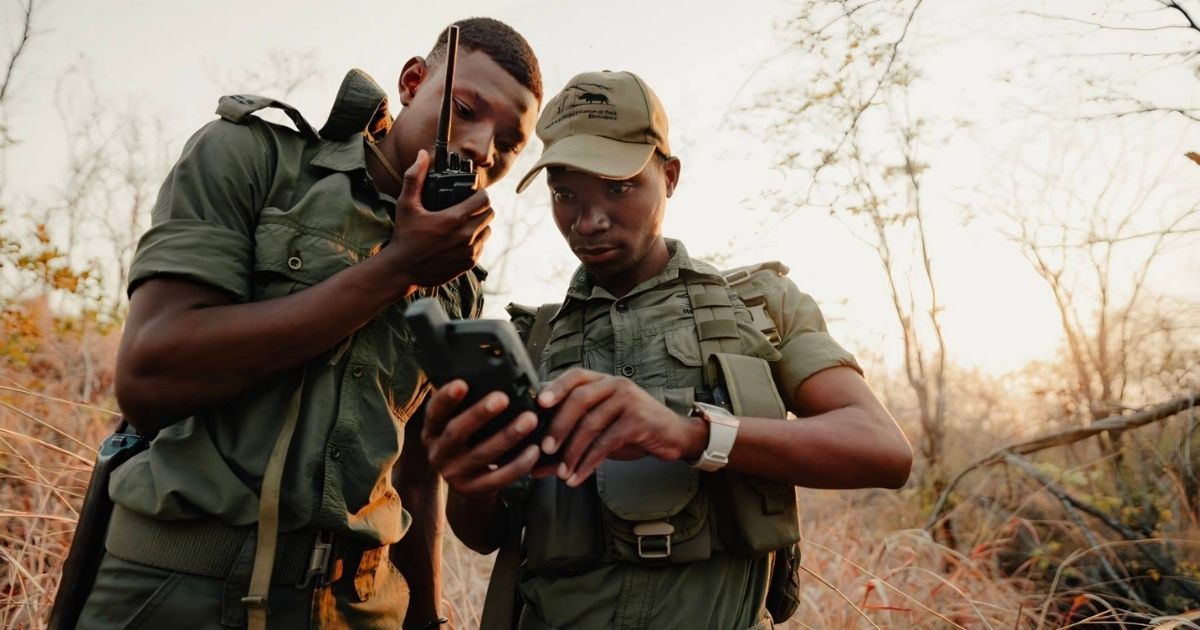
The image of a ranger walking through the bush with binoculars tells only part of the story.
Today’s wildlife rangers are conservation professionals whose responsibilities extend far beyond anti-poaching patrols.
They monitor elephant, lion and rhino populations, record wildlife movements, inspect water sources during the dry season, remove snares set by poachers, respond to veld fires and assist scientists conducting ecological research.
Rangers also play an important role in visitor safety.
Whether helping stranded tourists, responding to medical emergencies or providing information about wildlife behaviour, they are often the first people called when something unexpected happens in a national park.
In many cases, they also work closely with communities living near protected areas, helping reduce conflict between people and wildlife while promoting conservation awareness.
Protecting Africa’s iconic wildlife
Zimbabwe is home to one of Africa’s largest elephant populations and supports an extraordinary diversity of wildlife, including lions, leopards, buffalo, cheetahs, endangered African wild dogs, black and white rhinoceroses, hippos and more than 650 bird species.
Protecting this biodiversity requires constant vigilance.
Wildlife crime remains one of conservation’s biggest challenges, and rangers are at the forefront of efforts to combat poaching and illegal wildlife trafficking.
On foot patrols that can cover many kilometres each day, they search for signs of illegal activity, dismantle wire snares and monitor remote areas that are inaccessible to most visitors.
It is demanding work carried out in extreme heat, heavy rain and rugged terrain, often far from the comforts of home.
Five Zimbabwe parks where rangers make all the difference
Hwange National Park
Zimbabwe’s largest national park is famous for its vast elephant population and exceptional game viewing.
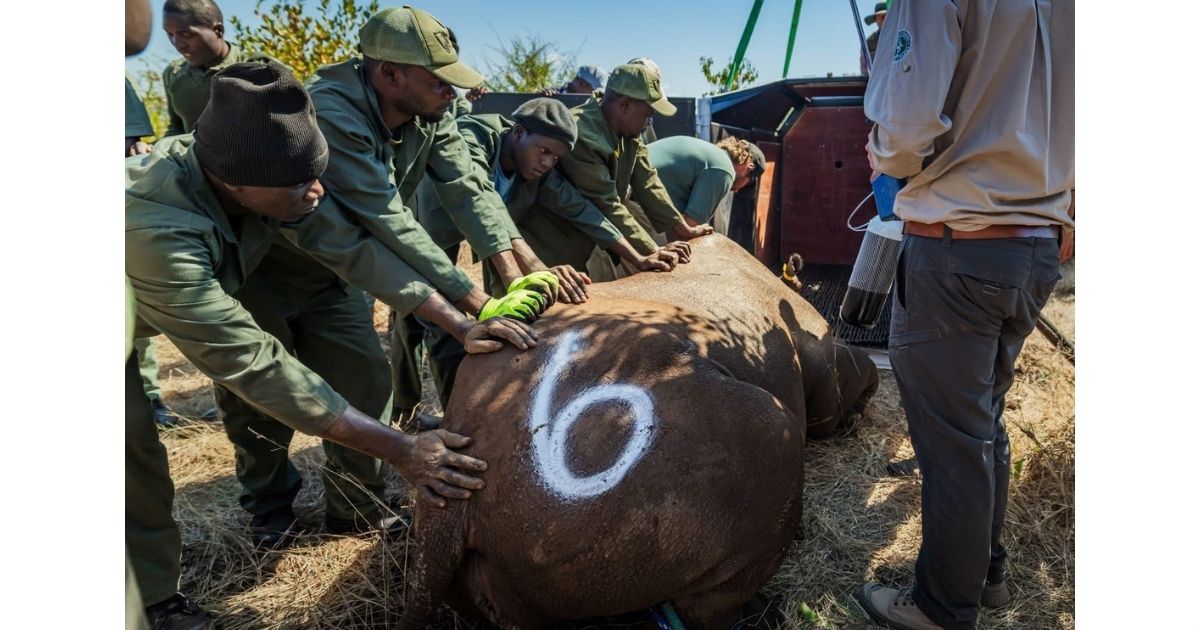
Rangers help protect thousands of elephants while monitoring predators, maintaining water points and supporting one of Africa’s most important conservation landscapes.
Mana Pools National Park
A UNESCO World Heritage Site, Mana Pools is renowned for its walking safaris and close encounters with wildlife.
The park’s reputation for low-impact tourism depends heavily on skilled rangers who understand animal behaviour and help preserve its pristine wilderness.
Gonarezhou National Park
Known as the “Place of Elephants”, Gonarezhou offers one of Southern Africa’s last great wilderness experiences.
Its remote location demands constant ranger patrols across expansive landscapes where elephants, lions and wild dogs roam freely.
Matusadona National Park
Bordering Lake Kariba, Matusadona combines spectacular scenery with important conservation work, including efforts to protect endangered species and restore wildlife populations.
Zambezi National Park
Situated upstream from Victoria Falls, the park provides visitors with classic safari experiences just minutes from one of the world’s most famous waterfalls.
Rangers patrol the riverfront and inland areas, ensuring wildlife and visitors can coexist safely.
A safari begins long before you arrive
For travellers, the excitement of a safari often starts with an early morning game drive.
For wildlife rangers, the day may have begun several hours earlier.
Patrols frequently start before dawn, when cooler temperatures make it easier to observe animal movements and identify fresh tracks.
Throughout the day, rangers record wildlife sightings, check remote areas for illegal activity, inspect roads and trails, monitor waterholes and respond to reports from neighbouring communities.
Some continue working after dark, particularly during periods when wildlife crime poses an increased threat.
Their knowledge of the landscape is built over years of experience, allowing them to recognise subtle changes that might go unnoticed by even the most seasoned traveller.
Why every traveller should appreciate wildlife rangers
Choosing Zimbabwe for a safari is about more than seeing wildlife.
It is about experiencing healthy ecosystems where conservation and tourism work hand in hand.
Every photograph of a lion pride resting beneath an acacia tree, every elephant crossing the road and every unforgettable sunset overlooking a waterhole is made possible by years of careful management and protection.
Wildlife rangers help preserve the habitats that sustain these experiences while ensuring future generations can enjoy them too.
Supporting Zimbabwe’s national parks through responsible tourism directly contributes to these conservation efforts.
Visitors can make a difference by respecting park regulations, travelling with licensed guides, avoiding disturbance to wildlife and supporting conservation-focused tourism operators.
Celebrating Zimbabwe’s conservation heroes
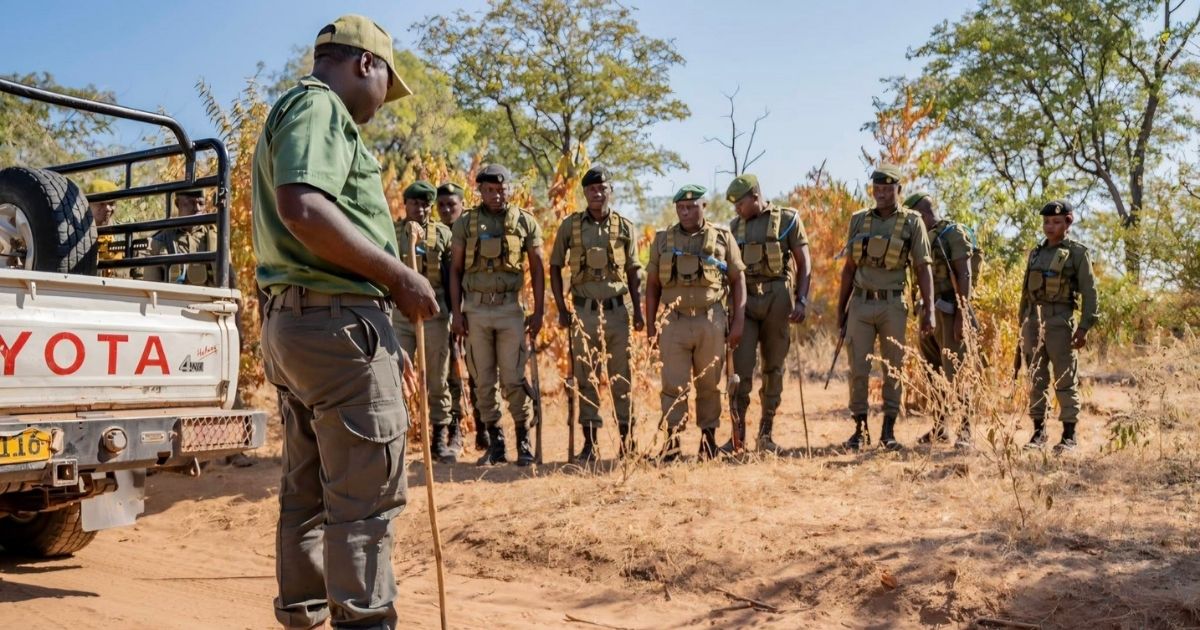
World Ranger Day was established to honour wildlife rangers who have lost their lives or been injured while protecting nature, while also celebrating the profession’s contribution to conservation around the world.
For Zimbabwe, it is an opportunity to recognise individuals whose work safeguards one of the country’s greatest treasures.
Their commitment supports biodiversity, strengthens tourism, protects local livelihoods and preserves landscapes that have inspired generations of travellers.
The next time you watch elephants gathering around a waterhole in Hwange, walk beneath the towering trees of Mana Pools or hear the distant roar of a lion under a starlit African sky, remember that those moments are rarely accidental.
They are made possible by wildlife rangers who work quietly behind the scenes every day of the year.
On World Ranger Day 2026, they deserve not only our gratitude but also our recognition as the true guardians of Zimbabwe’s extraordinary wilderness.