
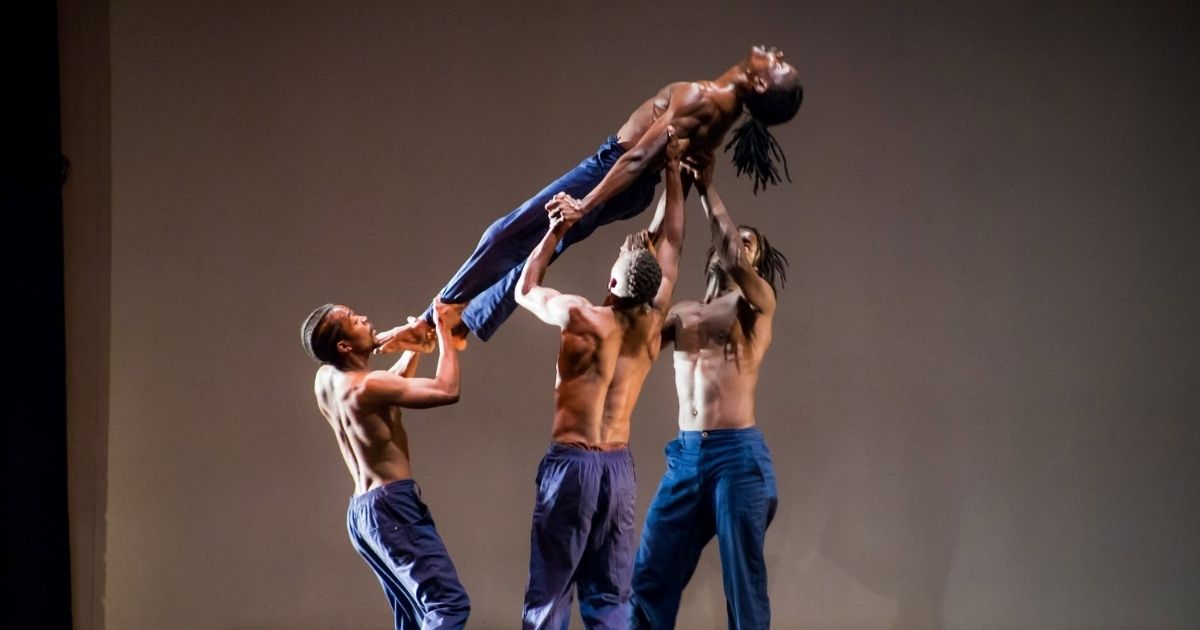
The postponement of the Harare International Festival of the Arts (HIFA) has delayed what many hoped would be one of Zimbabwe’s biggest cultural tourism events of 2026, leaving travellers, artists and local tourism businesses waiting a little longer for the return of an internationally recognised festival.
Organisers announced on Thursday that HIFA‘s planned August 2026 edition would no longer go ahead, saying additional time was needed to ensure the festival returns with the quality, scale and artistic excellence for which it became famous over nearly three decades.
For Zimbabwe’s tourism industry, the decision is more than the postponement of an arts event.
It also means the country will miss an opportunity to showcase Harare as a destination for culture, creativity and entertainment during one of the busiest periods on the city’s events calendar.
More than a festival
Since its launch in 1999, HIFA grew into one of Africa’s most respected multidisciplinary arts festivals.
Each edition brought together musicians, theatre companies, dancers, filmmakers, poets and visual artists from Zimbabwe and around the world.
Thousands of local and international visitors travelled to Harare to experience performances spread across several venues, turning the capital into a week-long celebration of creativity.
For many international travellers, HIFA became the reason to visit Zimbabwe.
Others combined the festival with holidays to Victoria Falls, Hwange National Park, Great Zimbabwe, Nyanga or the Eastern Highlands, making HIFA an important gateway to the country’s wider tourism offering.
The festival therefore became one of Zimbabwe’s strongest examples of cultural tourism in action.
HIFA postponement and its impact beyond the stage
Major festivals rarely benefit only performers.
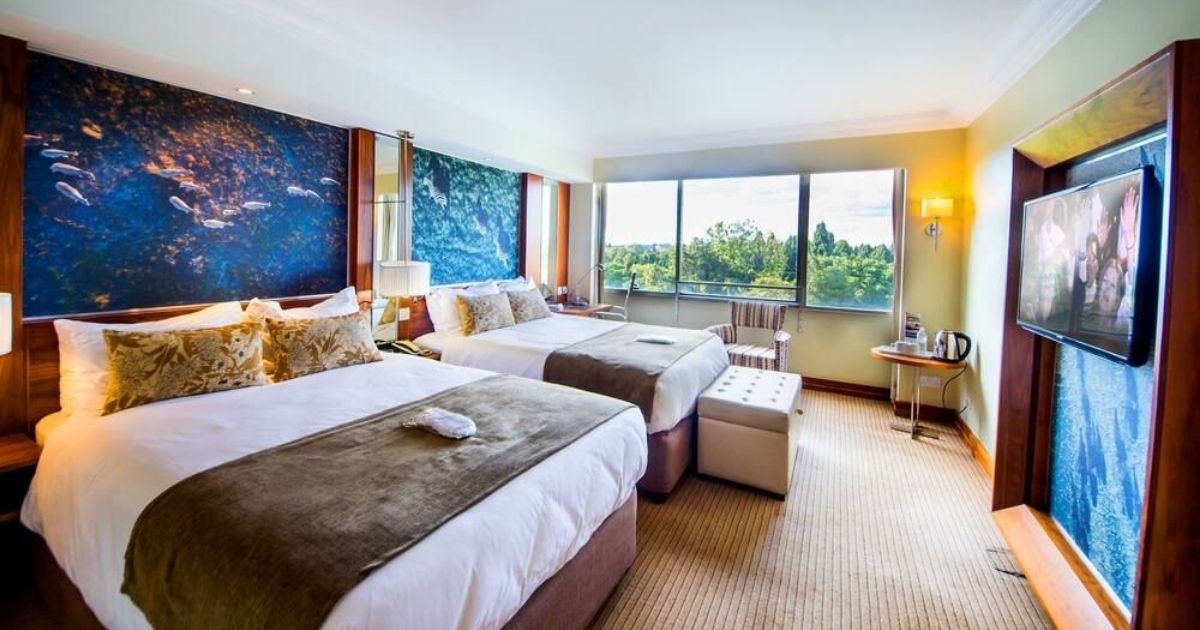
Hotels experience increased occupancy, restaurants welcome more diners, transport operators see higher demand and small businesses—from craft markets to food vendors—often enjoy a surge in customers.
Harare’s galleries, museums and creative spaces also traditionally attract more visitors during HIFA week as tourists extend their itineraries beyond the main performances.
The postponement means many of those businesses will have to wait longer for the economic activity that typically accompanies a festival of HIFA’s size.
It is also disappointing for international visitors who had planned trips specifically around the event, with many likely to reconsider or postpone their travel until new festival dates are announced.
A pause, not an end
In its statement, HIFA organisers acknowledged the disappointment but said protecting the festival’s reputation was the priority.
They said reviving an event with HIFA’s history and international standing required more preparation and that taking additional time would ensure the festival returns stronger rather than compromising on quality.
Organisers added that work is continuing behind the scenes through new partnerships, programme development and long-term planning aimed at securing HIFA’s future.
Although no new dates have been confirmed, supporters remain hopeful that the delay will ultimately lead to a stronger and more sustainable return.
Harare still offers plenty for cultural travellers
While visitors may have to wait for HIFA’s comeback, Harare continues to offer a rich cultural experience throughout the year.
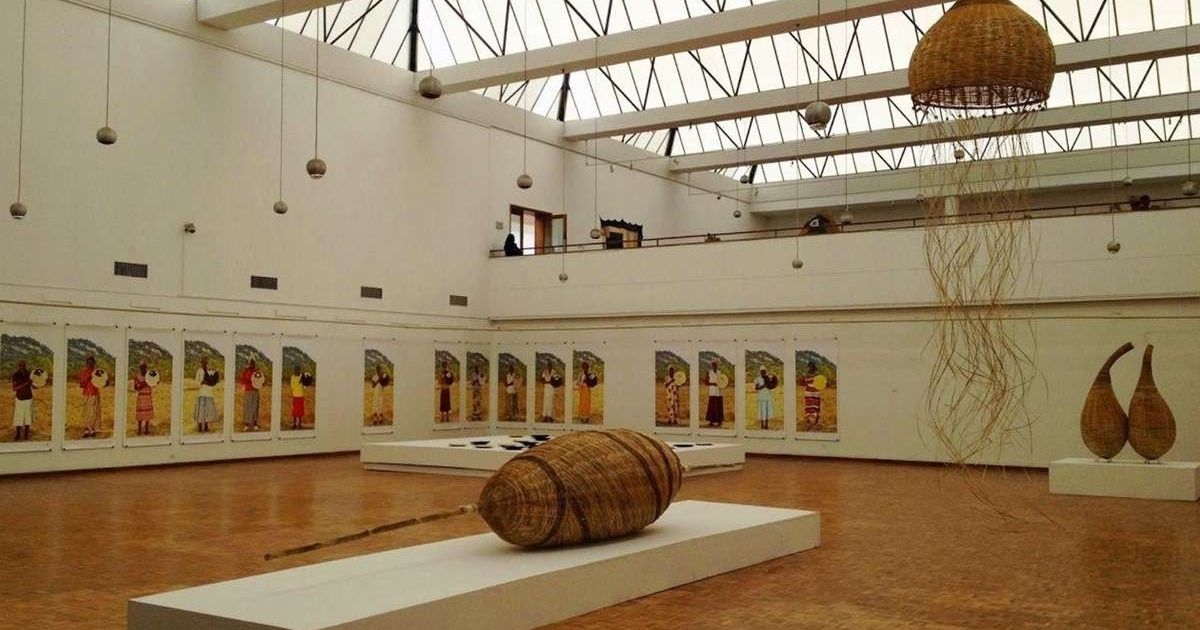
Travellers can explore the National Gallery of Zimbabwe, discover contemporary exhibitions at Gallery Delta, visit the National Archives and Zimbabwe Museum of Human Sciences, browse artisan markets and enjoy performances at various venues around the capital.
Live music also remains an important part of the capital’s nightlife, with performances taking place regularly at restaurants, hotels and entertainment venues featuring everything from traditional mbira music to jazz, afro-fusion and contemporary Zimbabwean sounds.
Those looking to understand Zimbabwe’s creative identity can also visit artist studios, sculpture parks and community arts spaces that continue to nurture the country’s internationally recognised artistic talent.
Why HIFA still matters
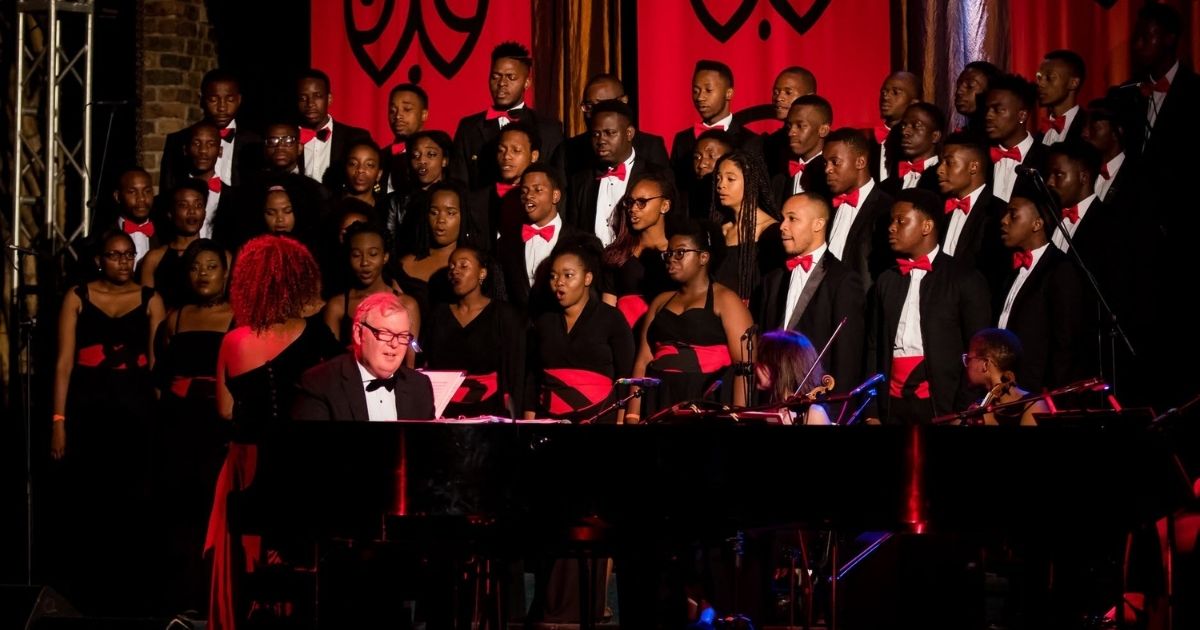
Few events have shaped Zimbabwe’s international cultural reputation as profoundly as HIFA.
For years, the festival projected an image of Zimbabwe as a destination where world-class artistic excellence, hospitality and cultural diversity could be experienced in one city.
Its return has therefore been viewed not simply as the revival of an annual festival but as an important milestone for Zimbabwe’s creative economy and tourism recovery.
The postponement delays that momentum, but it does not diminish the festival’s significance.
If anything, the public reaction over recent months—with former attendees sharing memories, photographs and stories from previous editions—demonstrates just how deeply HIFA remains woven into Zimbabwe’s cultural landscape.
For travellers planning future visits, HIFA remains an event worth watching.
When it eventually returns, it is expected to once again become one of Southern Africa’s premier cultural festivals, attracting visitors from across the region and beyond.
Until then, Harare continues to offer authentic cultural experiences that remind visitors why Zimbabwe remains one of Africa’s most rewarding destinations for arts, heritage and creative tourism.