
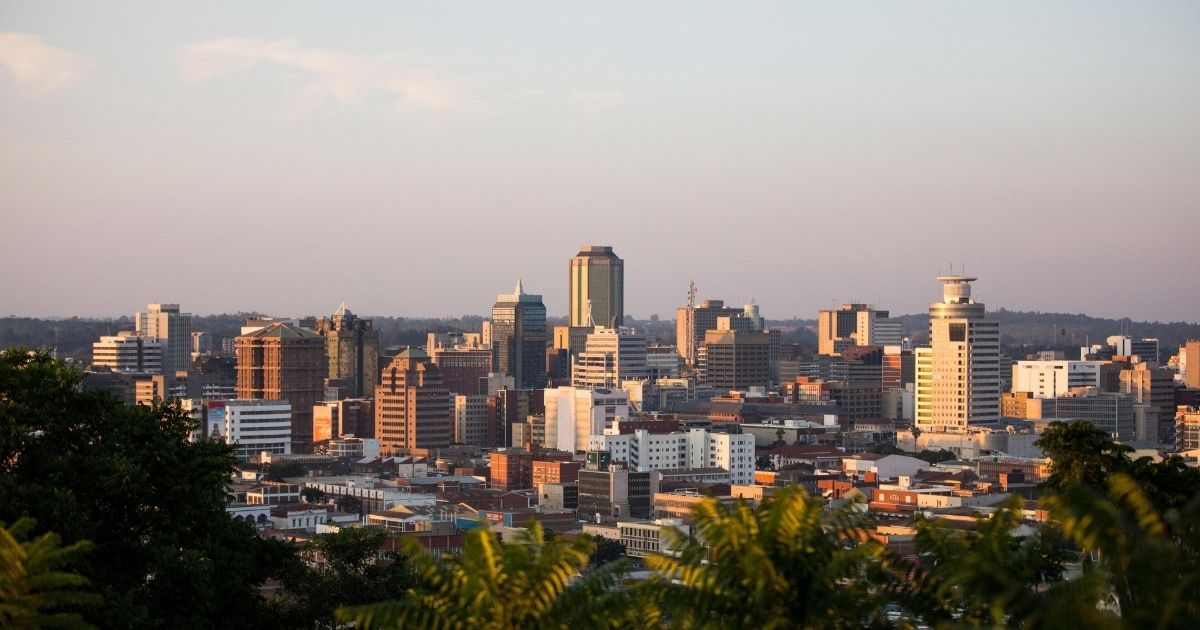
Zimbabwe is generally a welcoming destination for tourists, with major attractions including Victoria Falls, Hwange National Park, Mana Pools, Great Zimbabwe and the Eastern Highlands drawing visitors from around the world.
But is Zimbabwe safe for tourists?
The answer is yes, with sensible precautions.
Zimbabwe does have risks that travellers should understand before arriving.
For the overwhelming majority of visitors, the country is a safe and welcoming destination, particularly when travellers use reputable accommodation and transport, take normal urban precautions and listen to local advice.
Zimbabwe is a country where tourism and everyday life exist side by side.
Visitors can walk through the streets of Victoria Falls, travel between safari lodges, visit Harare’s restaurants and galleries, and take road trips across the countryside.
Tourists regularly move through the country without experiencing the serious problems that can sometimes dominate international perceptions of Africa.
That does not mean Zimbabwe is completely free of risk.
Petty theft can occur. Roads require concentration. Some urban areas are better avoided late at night. Political gatherings can become unpredictable (usually during election periods), and wildlife requires respect at all times.
These are real considerations, but they are also manageable.
For someone planning a holiday, the more useful question is not whether Zimbabwe is completely risk-free. Few countries are.
The question is what should you know before you arrive, and how can you travel comfortably and responsibly once you are here?
Zimbabwe is generally safe for tourists
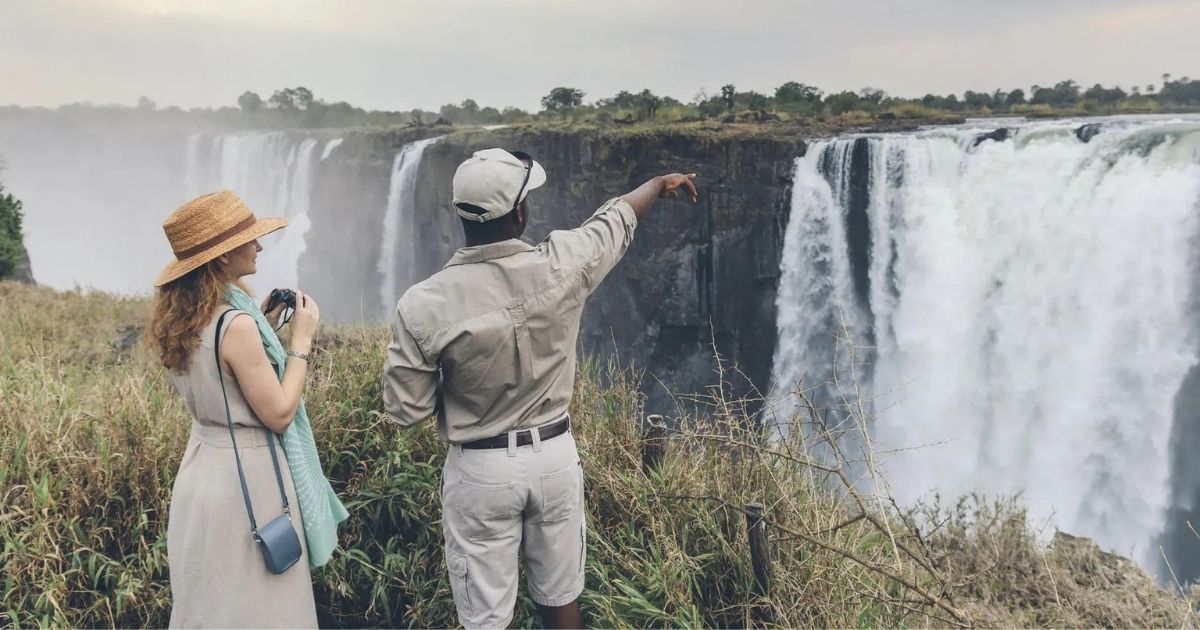
Zimbabwe has a long-established tourism industry and welcomes visitors from across Africa and around the world.
Victoria Falls is the country’s best-known international tourism destination, while Hwange National Park, Mana Pools, Gonarezhou, the Matobo Hills, the Eastern Highlands and Great Zimbabwe attract travellers interested in wildlife, adventure, landscapes and history.
In the main tourism centres, visitors are accustomed to seeing international travellers.
Hotels and lodges understand the needs of overseas guests while tour operators regularly arrange transfers, excursions and safaris. Tourist guides are experienced in working with people unfamiliar with Zimbabwe.
For the ordinary visitor, basic common sense goes a long way.
Keep your belongings secure. Know where you are going. Use reliable transport. Avoid unnecessary risks at night. Listen to people who know the area.
The same advice would apply to a visitor travelling through many other countries.
Foreign governments publish travel advisories for their citizens and these can be useful when planning a trip. However, such advisories are written from the perspective of the countries issuing them and can sometimes take a particularly cautious approach to political, security or social developments.
They are worth reading, but they should not be mistaken for a complete picture of everyday life in Zimbabwe.
A visitor’s experience on the ground can be very different from the impression created by reading a long list of potential risks.
What are the real safety concerns for tourists in Zimbabwe?
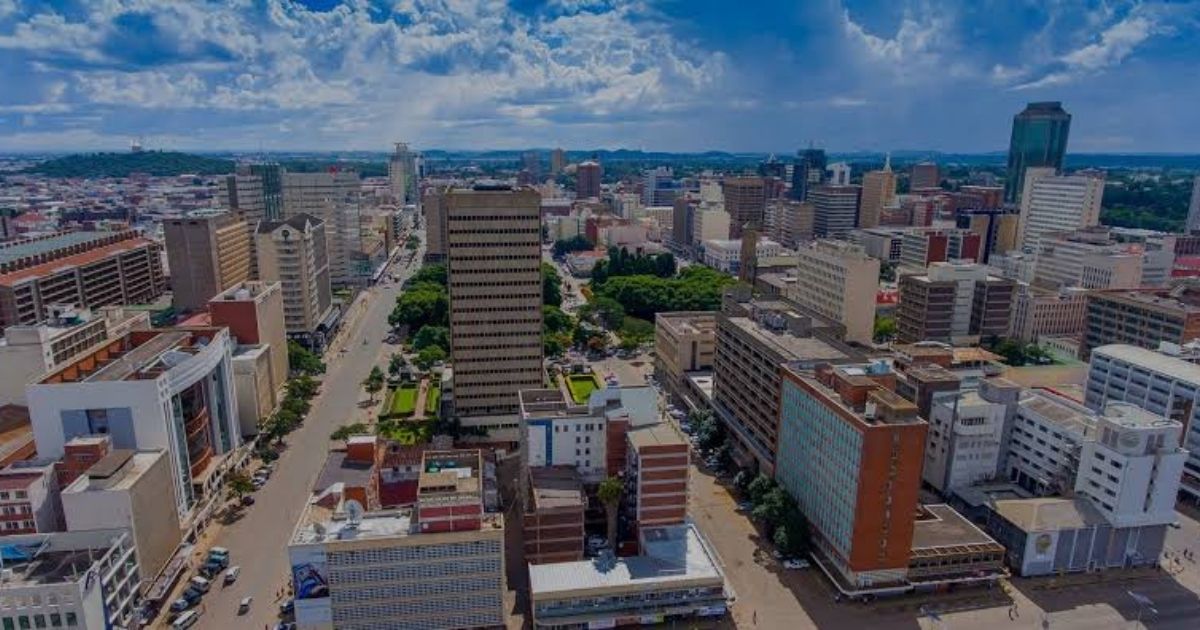
Zimbabwe does not present one single safety picture.
The risks facing a traveller in central Harare are different from those facing someone on safari in Hwange. A visitor exploring Victoria Falls will have different considerations from someone driving hundreds of kilometres through the countryside.
The main issues travellers should understand are:
- petty theft and opportunistic crime;
- road safety;
- travelling after dark;
- wildlife encounters;
- political demonstrations and large gatherings;
- health and medical access;
- weather and environmental conditions in some areas.
None of these should automatically prevent someone from visiting Zimbabwe.
They simply require preparation.
Crime in Zimbabwe: what tourists should know
The most relevant crime concern for visitors is generally opportunistic theft rather than being randomly targeted because they are tourists.
A phone left unattended on a restaurant table, luggage visible in a vehicle, or a wallet pulled out repeatedly in a busy area can create an unnecessary opportunity.
The sensible response is straightforward.
Keep valuables secure. Avoid displaying large amounts of cash. Do not leave bags and electronics visible in parked vehicles. Be aware of your surroundings in crowded places and take extra care after dark.
Visitors should also remember that Zimbabwe is not defined by crime.
Most Zimbabweans going about their daily lives are simply doing what people do anywhere else: working, shopping, travelling, meeting friends and spending time with their families.
Tourists are not walking into a country where danger is waiting around every corner.
Is Harare safe for tourists?
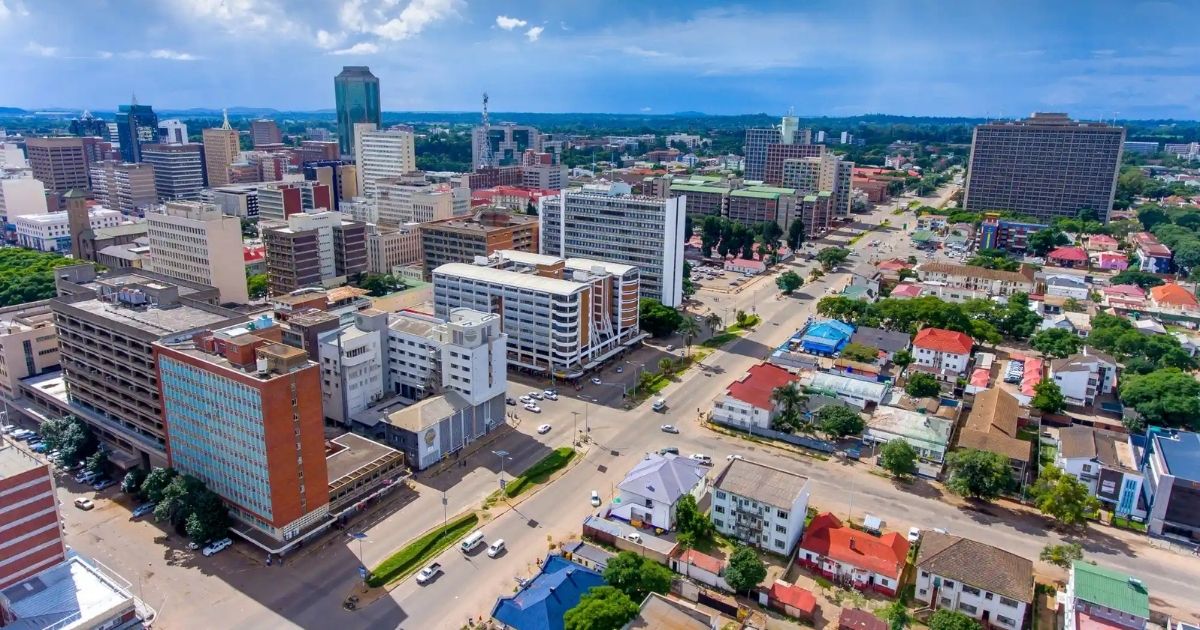
Harare is a large, busy African capital and should be treated like one.
During the day, visitors move around the city for business, shopping, restaurants, cultural events and tourism. There are numerous hotels, restaurants, cafés and entertainment venues that are accustomed to international guests.
The main precaution is to know where you are and how you will get around.
At night, it is better to use reliable transport instead of walking long distances through unfamiliar areas.
Visitors should also avoid leaving valuables in vehicles. Phones, cameras, laptops and bags should not be left where they can be seen from outside.
Traffic can be another challenge. Drivers in Harare have to contend with busy roads, pedestrians, motorcycles, cyclists and changing traffic conditions.
For a first-time visitor, having a local driver, guide or trusted transport provider can make moving around the city much easier.
Is Victoria Falls safe for tourists?
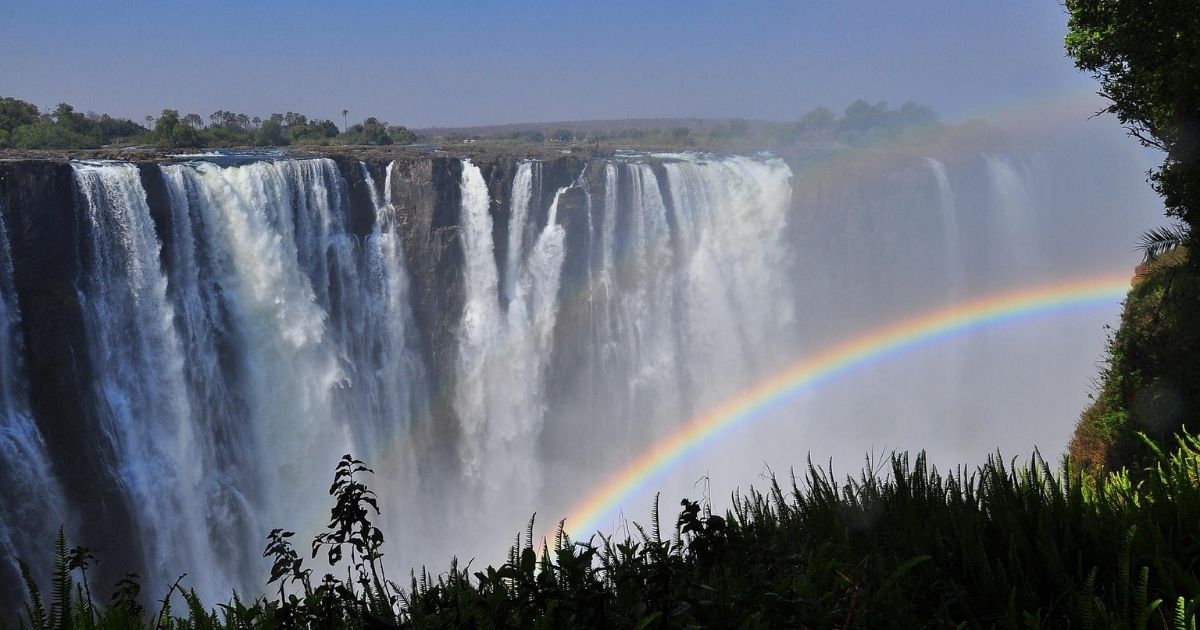
Victoria Falls is arguably the easiest place in Zimbabwe for an international tourist to settle into.
Tourism is central to the town’s economy. Hotels, lodges, restaurants, guides and activity operators deal with visitors every day.
The main tourist areas are well known and the town has a strong network of tourism businesses.
That does not mean visitors should switch off completely.
As with any tourist destination, keep valuables secure and be sensible about walking around at night. Arrange transport when necessary and follow advice from your hotel or tour operator.
The biggest safety issue in Victoria Falls is often not crime but the activities visitors come to experience.
Rafting, canoeing, bungee jumping, zip-lining, helicopter flights, game drives and other adventures come with inherent risks.
Choose established operators and pay attention to safety briefings.
A good rule is simple:
Adventure should be exciting, not careless.
Wildlife safety in Zimbabwe
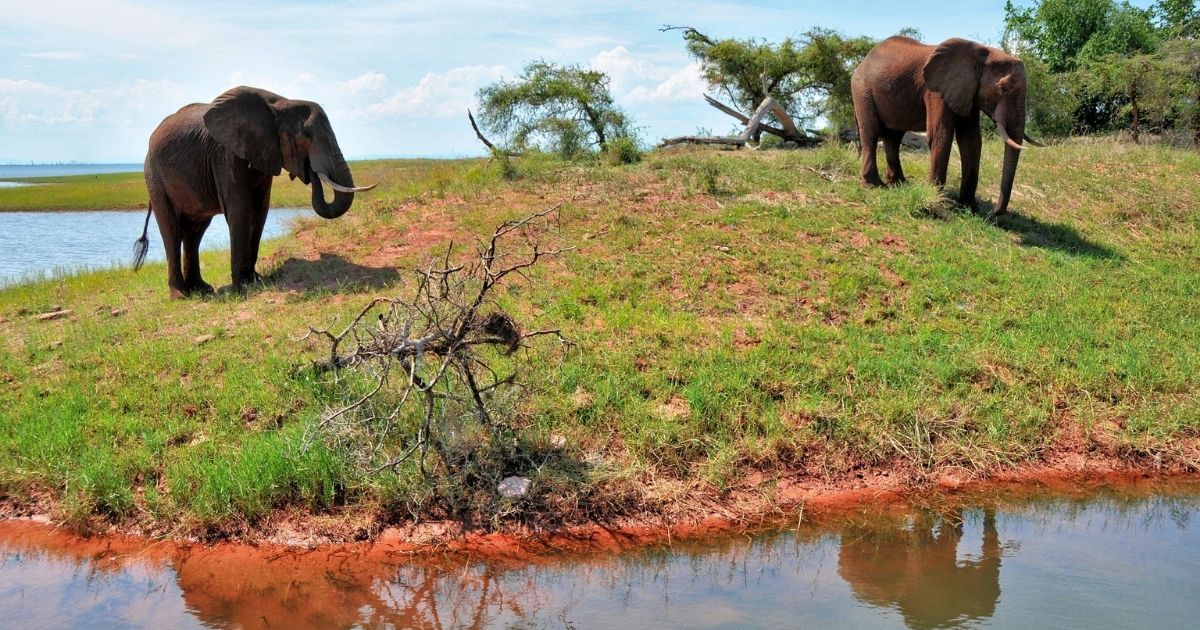
For many visitors, wildlife is the main reason for coming to Zimbabwe.
The country has some of Africa’s finest safari destinations, including Hwange National Park, Mana Pools and Gonarezhou.
But wildlife safety is an area where visitors need to take local advice seriously.
A lion may look magnificent through a camera lens, but it remains a wild predator.
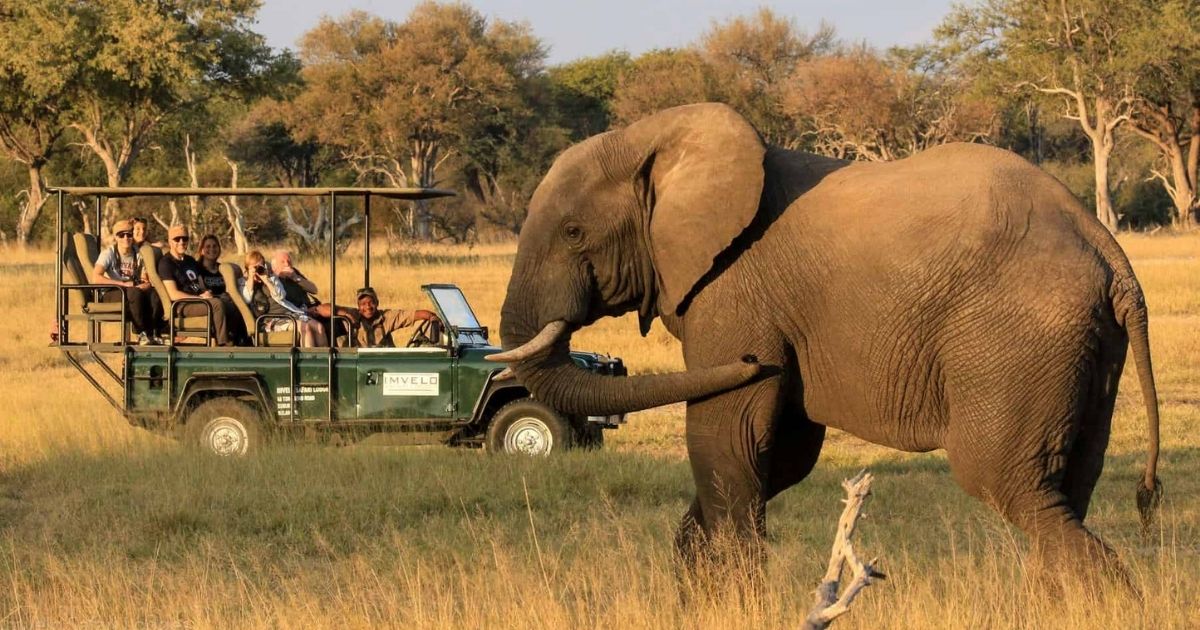
An elephant may appear relaxed, but it can become aggressive if it feels threatened.
Hippos and crocodiles can also be extremely dangerous.
The safest approach is to behave as though every wild animal deserves space.
Do not approach animals.
Do not feed them.
Do not try to attract them for photographs.
Do not leave your vehicle simply because an animal appears to be far away unless your guide has told you that it is safe.
During a walking safari, stay with your guide and follow instructions.
These are not unnecessary rules designed to spoil the experience. They are the foundation of responsible safari tourism.
Why local guides matter
One of the biggest advantages for a visitor travelling in Zimbabwe is the knowledge of local guides.
Experienced guides understand animal behaviour, terrain and changing conditions in ways that a first-time visitor cannot.
They know when an elephant is becoming uncomfortable.
They know how to approach a watering hole.
They know when a walking route should be changed.
Listen to them.
Is it safe to drive around Zimbabwe?
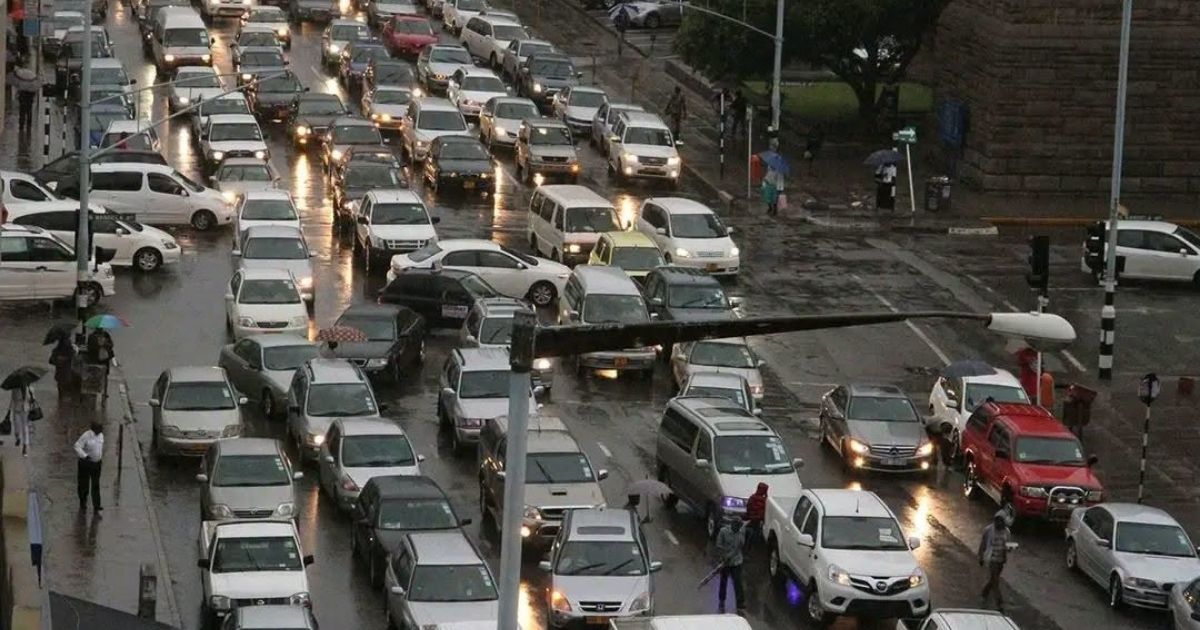
Road travel is one of the areas where visitors should plan carefully.
Zimbabwe is a large country and many of its major attractions are separated by considerable distances.
The journey itself can be part of the experience, with changing landscapes, villages, farms and wildlife areas along the way.
But long-distance driving requires patience.
Some roads are excellent, while others can be affected by potholes, roadworks, pedestrians, livestock, poor visibility or changing weather conditions.
Drivers unfamiliar with Zimbabwe should avoid assuming that a journey that looks short on a map will necessarily be quick.
Allow extra time.
Fuel planning is also important, especially when travelling to remote areas.
Night driving deserves particular caution. Visibility can be poor on rural roads, and pedestrians, cyclists, animals and unlit vehicles can be difficult to see.
For visitors unfamiliar with Zimbabwean roads, using a trusted driver or tour operator can be a much more relaxed option than driving everywhere themselves.
Should tourists self-drive in Zimbabwe?
Yes, experienced drivers can explore Zimbabwe independently.
But self-driving is best suited to people who are comfortable with long-distance African road travel and prepared to plan their routes properly.
For a first visit, particularly one involving remote safari areas, organised transport can remove much of the stress.
Is public transport safe in Zimbabwe?
Zimbabwe has a range of public and private transport options.
Taxis, buses, private transfers and other forms of local transport are commonly used by residents.
For international visitors, however, convenience and reliability may matter as much as price.
Airport transfers are often easiest to arrange through a hotel or established transport provider.
For longer tourism journeys, reputable tour companies and private transfers can provide greater comfort, especially for visitors unfamiliar with local routes.
Travellers should also remember that journey times can be longer than expected.
Zimbabwe is a relatively large country.
Moving between Harare, Victoria Falls, Hwange and other destinations is not like crossing a compact European city-state.
Is Zimbabwe safe at night?
This is an area where visitors should exercise ordinary caution.
There is no reason for a tourist to assume that Zimbabwe becomes a dangerous place the moment the sun goes down.
People continue to go to restaurants, events and social gatherings in Zimbabwean cities every evening.
But night-time travel requires more planning.
Use reliable transport.
Avoid walking through unfamiliar or isolated areas.
Keep phones and valuables secure.
Do not take unnecessary risks simply because you are on holiday.
In Victoria Falls, Harare and other tourism centres, ask your accommodation provider about the best way to get around after dark.
Local advice is often more useful than a generic rule.
Political demonstrations and public gatherings
Zimbabwe, like other countries, sometimes experiences political demonstrations, rallies and other large public gatherings.
For tourists, the sensible approach is simple: stay away.
Visitors do not need to take part in political disputes that have nothing to do with their holiday.
A demonstration may be peaceful, but situations can change quickly, particularly when large crowds gather.
If a political gathering develops nearby, leave the area and follow local advice.
Tourists should also avoid photographing sensitive security situations simply out of curiosity.
There is little to gain from turning a holiday photograph into an unnecessary confrontation.
Is Zimbabwe safe for solo travellers?
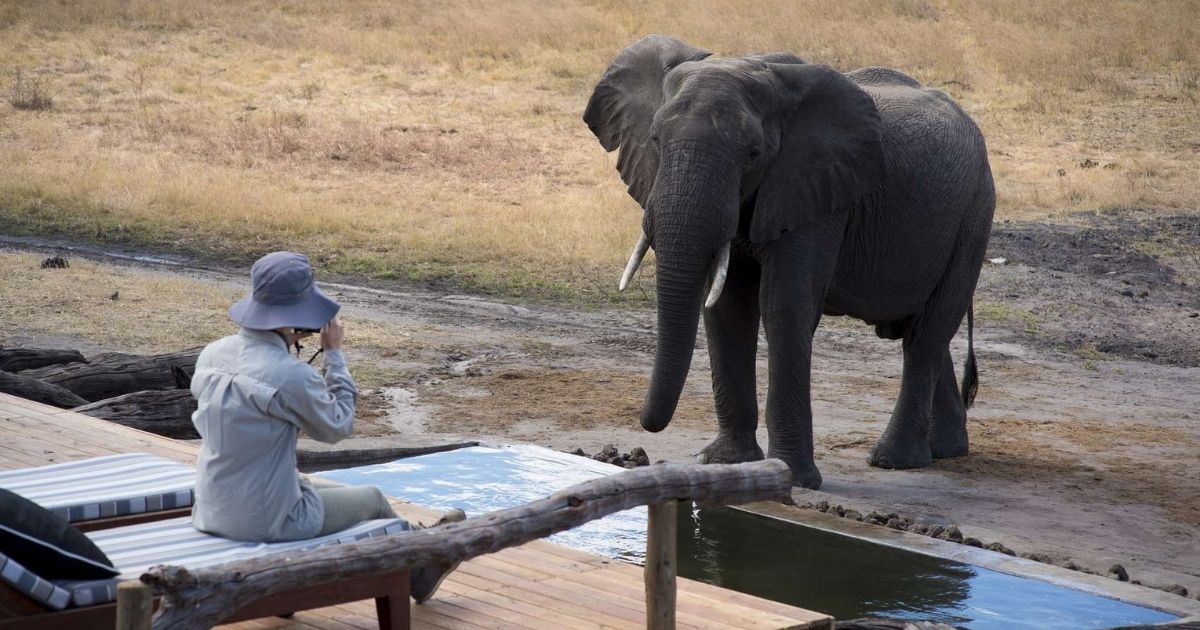
Zimbabwe can be visited by solo travellers, including people travelling independently for the first time.
The key is planning.
Choose accommodation with good security.
Arrange transport in advance where possible.
Let someone know your itinerary, especially when travelling into remote areas.
Keep your passport and important documents secure.
Solo female travellers should use the same general precautions, particularly at night and when travelling in unfamiliar places.
One of the advantages of Zimbabwe is that visitors can combine independent travel with local support.
You do not necessarily have to choose between travelling alone and travelling completely unsupported.
A solo traveller can stay independently while using guides, drivers and tour operators when needed.
Is Zimbabwe safe for families?
Zimbabwe can be an excellent family destination.
Safari experiences can introduce children to wildlife and conservation, while Victoria Falls, Great Zimbabwe and other attractions provide plenty of opportunities beyond the traditional beach holiday.
Families should take particular care around swimming pools, rivers, roads and wildlife.
Children should never be allowed to wander freely around a safari camp, particularly after dark.
Parents should also consider journey times when planning a holiday.
A child may be perfectly happy with a game drive but less enthusiastic about spending an entire day in a vehicle travelling between destinations.
A good itinerary balances adventure with rest.
Health and medical safety in Zimbabwe
Health preparation is just as important as thinking about crime.
Malaria is present in parts of Zimbabwe, particularly in lower-lying and warmer areas, and visitors should discuss malaria prevention with a healthcare professional before travelling.
The risk varies according to the destination and season.
Travellers should also pay attention to mosquito protection, particularly around safari destinations and the Zambezi Valley.
Use insect repellent, consider long sleeves and trousers in the evening and follow advice from your accommodation or medical professional.
Food and water hygiene also deserve attention.
Visitors staying at established hotels and lodges generally have staff who can advise on local water and food conditions.
When travelling in more remote areas, follow local guidance and take sufficient drinking water with you.
Travel insurance is highly recommended.
For an ordinary city holiday, medical access may be relatively straightforward. In remote safari areas, however, distance becomes a much more significant consideration.
For that reason, travellers taking part in safari, rafting, hiking or other adventure activities should check that their insurance covers those activities and, where appropriate, emergency evacuation.
Is tap water safe to drink in Zimbabwe?
There is no single answer for the entire country.
Water quality and supply can vary between locations.
Visitors should ask their hotel, lodge or host about the local water supply.
Where there is uncertainty, bottled, filtered or properly treated water is the safer option.
This becomes particularly important when travelling outside major towns and established tourism facilities.
What about LGBTQ+ travellers?
LGBTQ+ visitors should research Zimbabwe’s current legal and social environment before travelling and should exercise the same discretion they would use when travelling in any unfamiliar environment.
Social attitudes and laws are not necessarily the same as those in the traveller’s home country.
The safest approach is to understand the local context, avoid unnecessary confrontations and seek advice from reputable accommodation providers or travel professionals where appropriate.
What should tourists avoid doing in Zimbabwe?
Most visitors do not need a complicated safety manual.
A handful of sensible habits will make a difference.
- Do not display large amounts of cash.
- Do not leave valuables inside a vehicle.
- Avoid poorly lit and isolated areas late at night.
- Do not become involved in political demonstrations.
- Do not wander into wildlife areas without a trained guide where one is required.
- Do not underestimate the distances between destinations.
- Do not assume that a quiet road is automatically a safe road to drive quickly.
- And do not ignore advice from local people who understand the area better than you do.
10 simple safety tips for visiting Zimbabwe
1. Stay aware of your surroundings.
Pay attention, particularly in busy places and unfamiliar urban areas.
2. Keep valuables secure.
Do not unnecessarily display expensive phones, jewellery or cameras.
3. Use trusted transport.
Ask your hotel or tourism operator for recommendations.
4. Take extra care at night.
Arrange transport rather than taking unnecessary walks through unfamiliar areas.
5. Plan long-distance journeys carefully.
Zimbabwe’s attractions can be far apart.
6. Avoid unnecessary night driving.
Rural roads can present additional hazards after dark.
7. Respect wildlife.
Listen to guides and never approach animals on your own.
8. Prepare for the climate.
Carry water, protect yourself from the sun and plan for changing weather conditions.
9. Take health precautions seriously.
Discuss vaccinations and malaria prevention before travelling.
10. Get comprehensive travel insurance.
Make sure your cover matches your activities and destinations.
What should I do in an emergency?
Before leaving home, save the phone numbers for your accommodation, tour operator, travel insurer and embassy or consulate where appropriate.
Visitors should also carry copies of important travel documents.
If you are on safari, ask your lodge what its emergency procedures are.
This is particularly important in remote areas, where getting medical assistance can take longer than it would in a city.
The Zimbabwean emergency services number is 112, although visitors should understand that emergency response times and capabilities can vary depending on where they are in the country.
For serious medical situations, your travel insurer or accommodation provider can often help coordinate assistance.
So, is Zimbabwe safe for tourists?
Yes. Zimbabwe is generally safe for tourists, and there is no reason for ordinary travellers to approach a holiday here with fear.
The country has real challenges, as does every destination.
There is petty crime in some places. Roads demand attention. Political gatherings can occasionally create disruption. Some health risks require preparation. Wildlife can be dangerous when treated carelessly.
But these issues do not define the entire Zimbabwean experience.
For visitors travelling with sensible precautions, the country offers a remarkable combination of wildlife, history, culture, landscapes and hospitality.
The key is to understand the environment.
Final advice before travelling
Travel conditions can change, so visitors should check the latest health, immigration and transport information before departure.
More importantly, speak to the people who know the destination.
Your hotel, lodge, guide, driver or local tourism professional can often give you practical advice about the areas you are actually visiting.
That local knowledge can be far more useful than a generic list of everything that could theoretically go wrong.
For the vast majority of visitors, Zimbabwe is not an abstract collection of travel warnings.
It is a country where people live, work, travel, entertain guests and welcome visitors every day.
Come prepared, use common sense and give yourself the chance to experience it properly.