
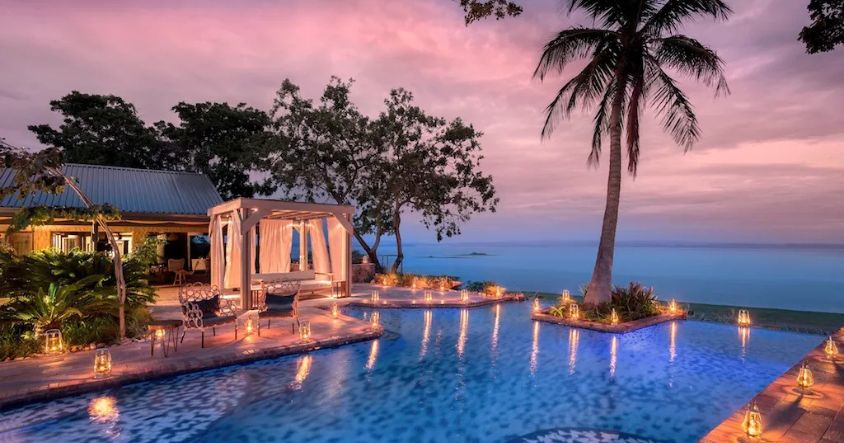
15 Most Beautiful Places in Zimbabwe
Zimbabwe was named the world’s best country to visit in 2025 by Forbes, a recognition that surprised people who had never been there and surprised nobody who had.
The country holds within its borders one of the seven natural wonders of the world, one of the largest elephant populations on earth, a mountain range that produces its own weather systems, ancient stone ruins that rewrote what historians thought they knew about pre-colonial Africa, and a lake so large that standing on its southern shore, you cannot see the other side.
What follows is not just a list of tourist attractions. It is a list of places that have a way of staying with you long after the trip is over. Places that are, simply, among the most beautiful things this country has to offer.
In this article, we explore the 15 most beautiful places in Zimbabwe.
1. Victoria Falls
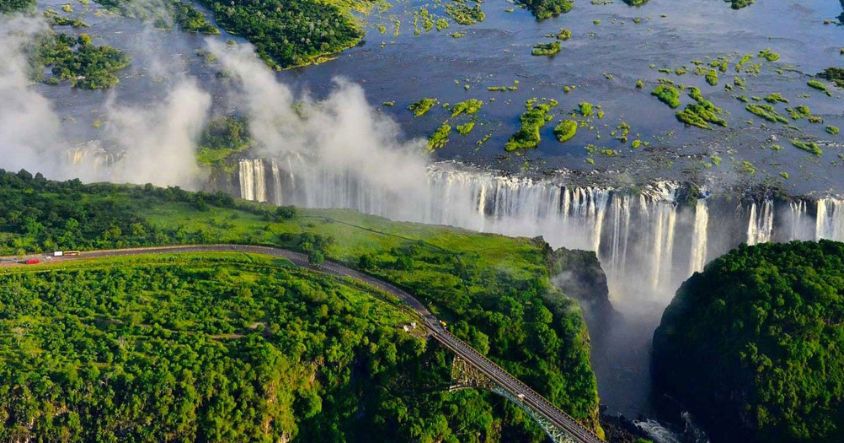
There is no honest way to start this list anywhere else. Victoria Falls is the largest curtain of falling water on earth, stretching 1,708 metres across and plunging 108 metres into the Batoka Gorge with a force that sends spray hundreds of metres into the air, visible from miles away as a permanent white column above the treeline.
The Kololo people named it Mosi-oa-Tunya, the Smoke That Thunders, which is both more accurate and considerably more poetic than the name a Scottish explorer gave it in 1855.
The falls are beautiful in different ways at different times of year. Between February and May at full flood, the spray is so intense that the falls themselves are partially hidden behind it, and the experience is as much about sound and sensation as sight.
Between July and October, the water drops enough to reveal the full face of the basalt cliff and the structure of the separate cataracts in photographic clarity. Both versions are extraordinary. Neither is wrong.
Best time to visit: July to October for the clearest views. February to May for maximum power and drama.
2. Mana Pools National Park
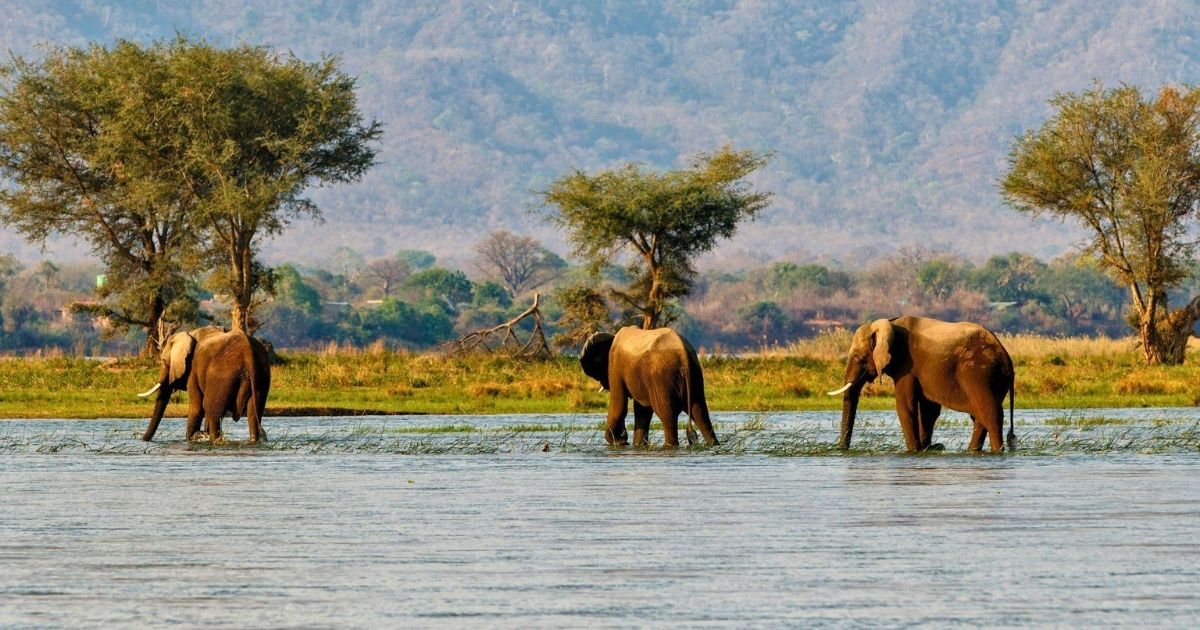
The lower Zambezi valley in Zimbabwe’s far north is one of those landscapes that feels genuinely prehistoric, as though the modern world has not quite reached it yet and is not particularly welcome if it tries.
Mana Pools National Park sits on the floodplain where the river broadens and slows, flanked to the south by an escarpment that rises more than a thousand metres above the valley floor and catches the last of the evening light long after the floodplain has fallen into shadow.
The four permanent pools that give the park its name, Mana, meaning four in Shona, hold water through the dry season and concentrate wildlife in numbers that make game viewing here unlike anywhere else.
But it is the quality of the light in the Zambezi valley that most photographers come for: the golden hour before sunset, when the albida trees cast long shadows across the floodplain and the river turns the colour of hammered copper, is as fine as African light gets.
Best time to visit: August and September for peak wildlife and photography conditions.
3. Matobo Hills
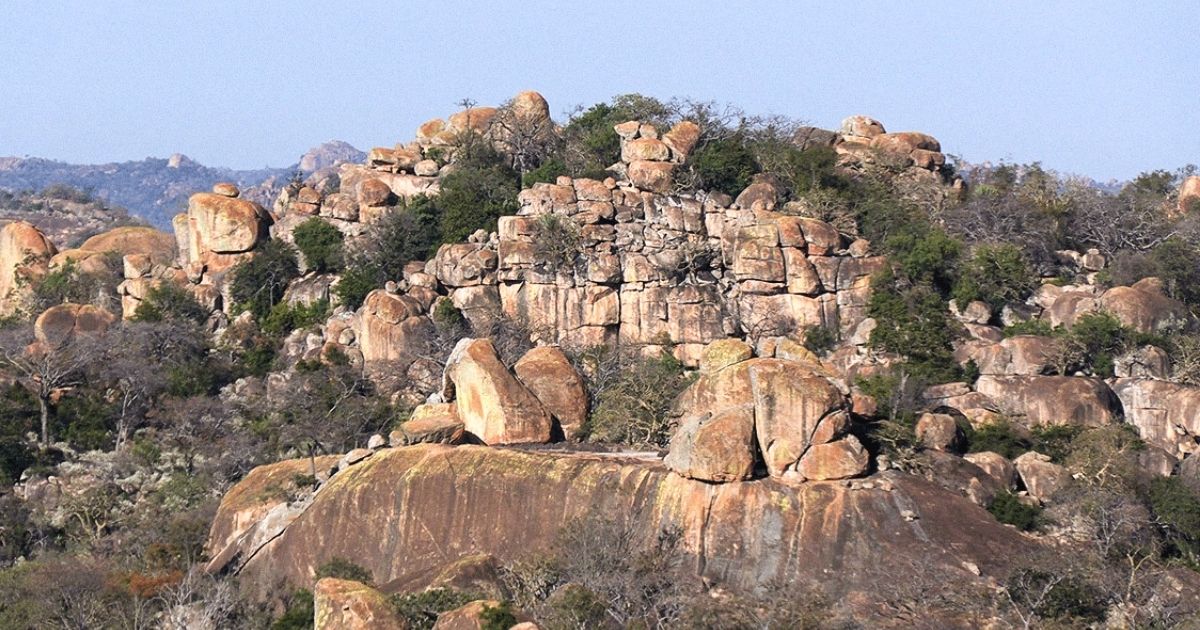
The Matobo Hills, about 35 kilometres south of Bulawayo, are among the oldest exposed rock formations on the surface of the earth. A landscape of enormous granite kopjes and balancing boulders shaped over three billion years of geological history into formations that look less like natural objects and more like the work of some impossibly patient sculptor.
The rocks balance on one another in configurations that appear to defy physics. They have been doing this for longer than the concept of a human lifetime has existed.
The hills hold the world’s highest density of San rock paintings, with thousands of sites distributed across the cave shelters of the kopjes.
They are also home to one of the densest leopard populations in Africa, the largest concentration of black eagles anywhere on earth, and a thriving white rhino population that can be tracked on foot.
Cecil Rhodes chose to be buried here, on a hilltop he called World’s View, which gives some indication of how the landscape strikes people who spend time in it.
Best time to visit: Year-round. The dry season from May to October makes wildlife viewing and walking more comfortable.
4. Hwange National Park at the Waterholes
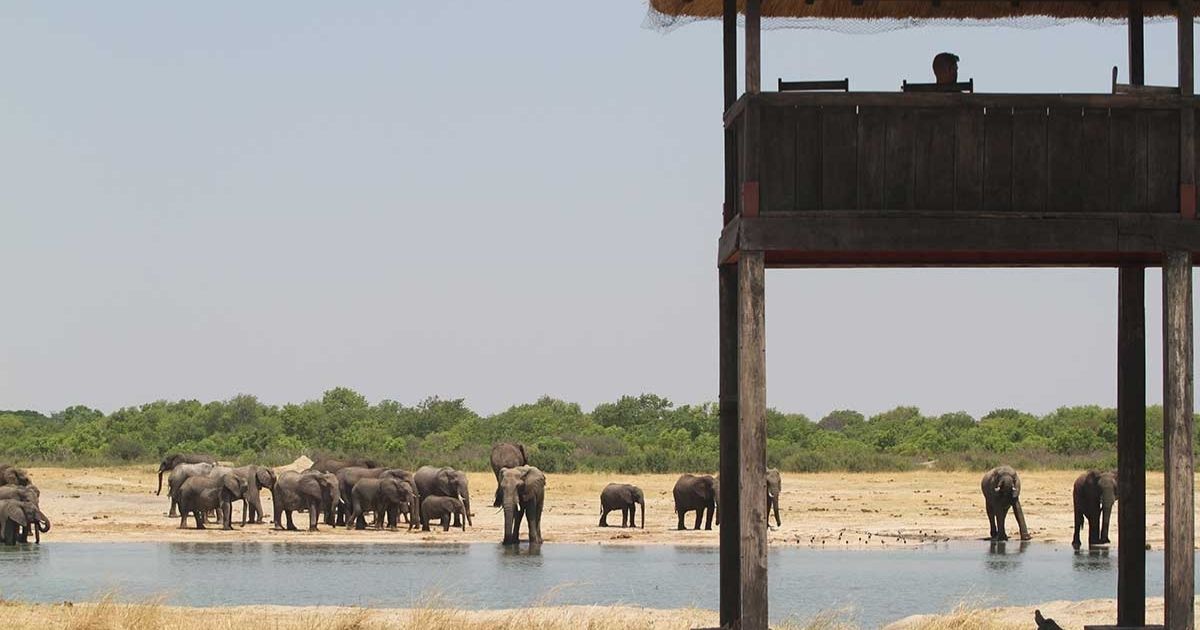
Hwange National Park does not have the dramatic topography of some of Zimbabwe’s other landscapes.
It is flat, dry, and covered in mopane and teak woodland that opens occasionally into grassy pans.
What it has instead is one of the most extraordinary wildlife spectacles in Africa, concentrated at the network of pump-fed artificial waterholes that sustain the park’s enormous animal populations through the dry season.
The beauty here is specific.
Sitting at a waterhole hide in August or September as the light softens at the end of the afternoon, watching a continuous procession of elephants, buffalo, zebra, and giraffe cycle through against a sky that has turned deep orange above the treeline, is one of those experiences that is genuinely difficult to describe to someone who has not seen it.
Hwange between July and October, at the waterholes, at golden hour, is one of the most beautiful wildlife scenes in Africa.
Best time to visit: July to October, arriving at the waterholes in the late afternoon.
5. The Chilojo Cliffs, Gonarezhou
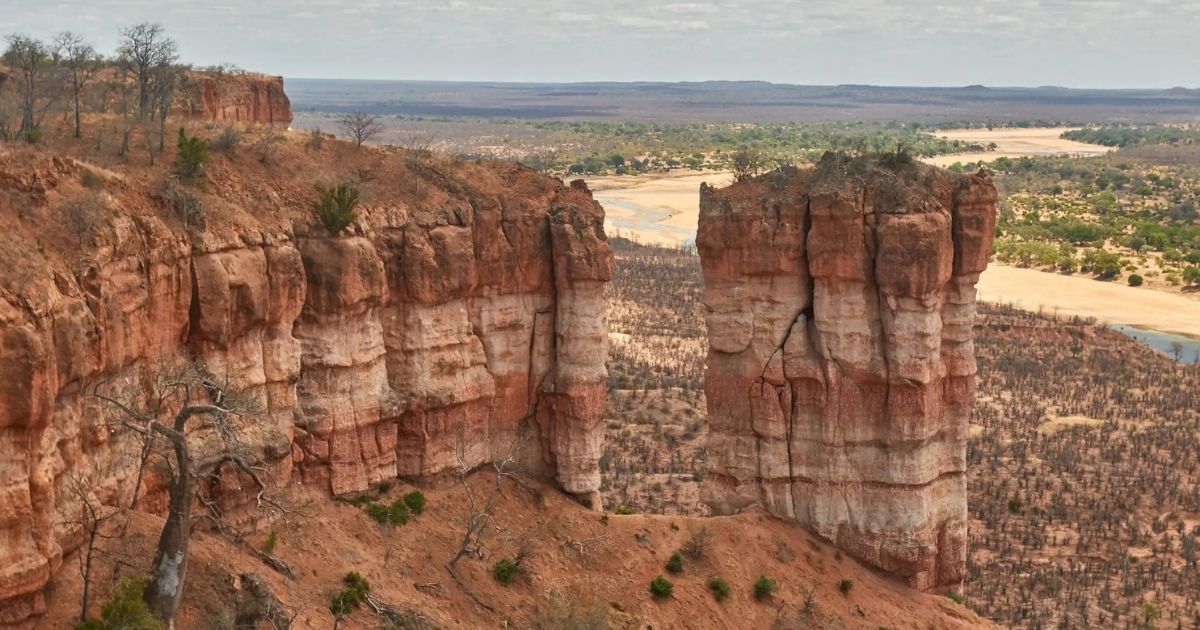
Most visitors to Zimbabwe never reach the remote southeast corner of the country where Gonarezhou National Park sits, and that is entirely their loss.
Gonarezhou, whose name means the Place of Elephants in Shona, is Zimbabwe’s second largest national park at just over 5,000 square kilometres, and it contains one of the most arresting natural features in the country: the Chilojo Cliffs.
The cliffs are a 15-kilometre wall of red and ochre sandstone rising 180 metres above the broad Runde River, formed over millennia of erosion and glowing at sunset in shades of red, amber, and orange that shift continuously as the light changes.
Against a backdrop of flat scrubland and dry riverbeds, the cliffs appear suddenly and at a scale that feels disproportionate, as though they belong to a much larger landscape than the one surrounding them.
Gonarezhou forms part of the Greater Limpopo Transfrontier Park, a 35,000 square kilometre conservation area linking the park with Mozambique’s Limpopo National Park and South Africa’s Kruger National Park, making it part of one of the largest conservation areas in the world.
Best time to visit: May to October during the dry season.
6. The Eastern Highlands
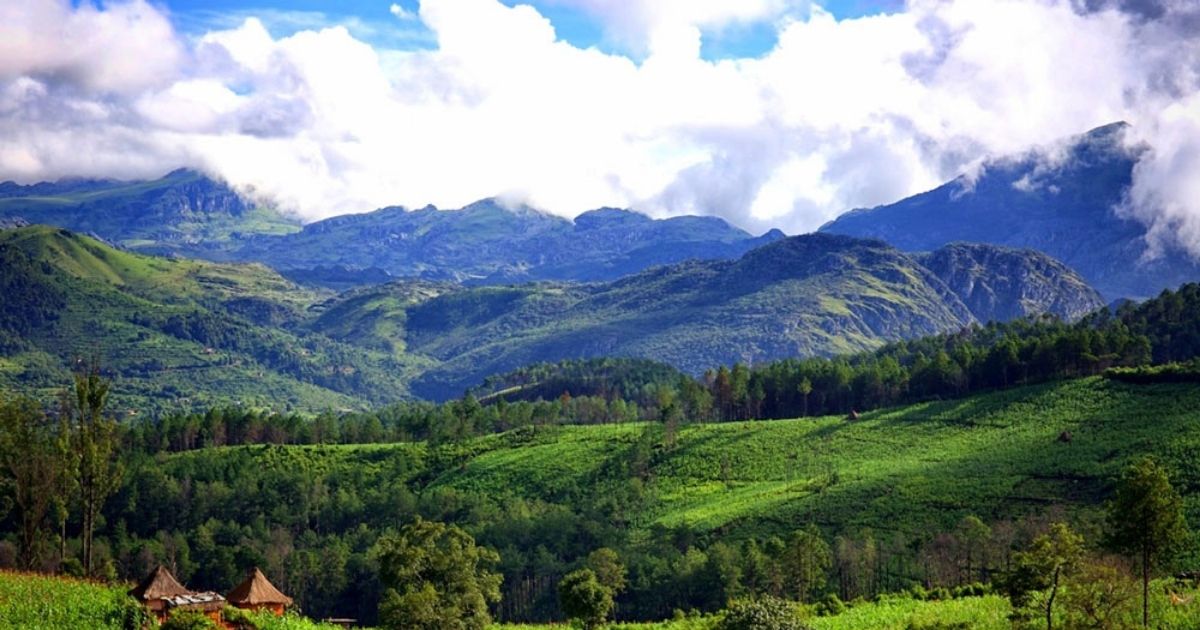
Zimbabwe is not a country most people associate with mountains, which is precisely why the Eastern Highlands consistently astonish visitors who have come primarily for wildlife and waterfalls.
The highlands run for approximately 300 kilometres along the eastern border with Mozambique, encompassing three distinct zones: the Nyanga highlands in the north, the Bvumba Mountains in the centre, and the Chimanimani Mountains in the south. Each has its own character, its own microclimate, and its own version of spectacular.
In Nyanga, rolling hills and granite outcrops surround Zimbabwe’s highest peak, Mount Nyangani, at 2,593 metres. Another spectacle is the Mutarazi Falls, the country’s highest waterfall at 762 metres and the second highest in Africa, which drops into a gorge so narrow and steep that you hear it long before you see it.
The Bvumba Mountains, draped in mist for much of the year and covered in forest that produces some of Zimbabwe’s only commercially grown coffee, have an atmosphere closer to the Scottish Highlands than to the Africa most visitors expect.
Chimanimani in the south is wild, rugged, and botanically extraordinary, with granite spikes, clear mountain streams, and wild orchid species found nowhere else on earth.
Best time to visit: Year-round. The highlands are cool in winter and lush and green in the wet season.
7. Lake Kariba at Sunset
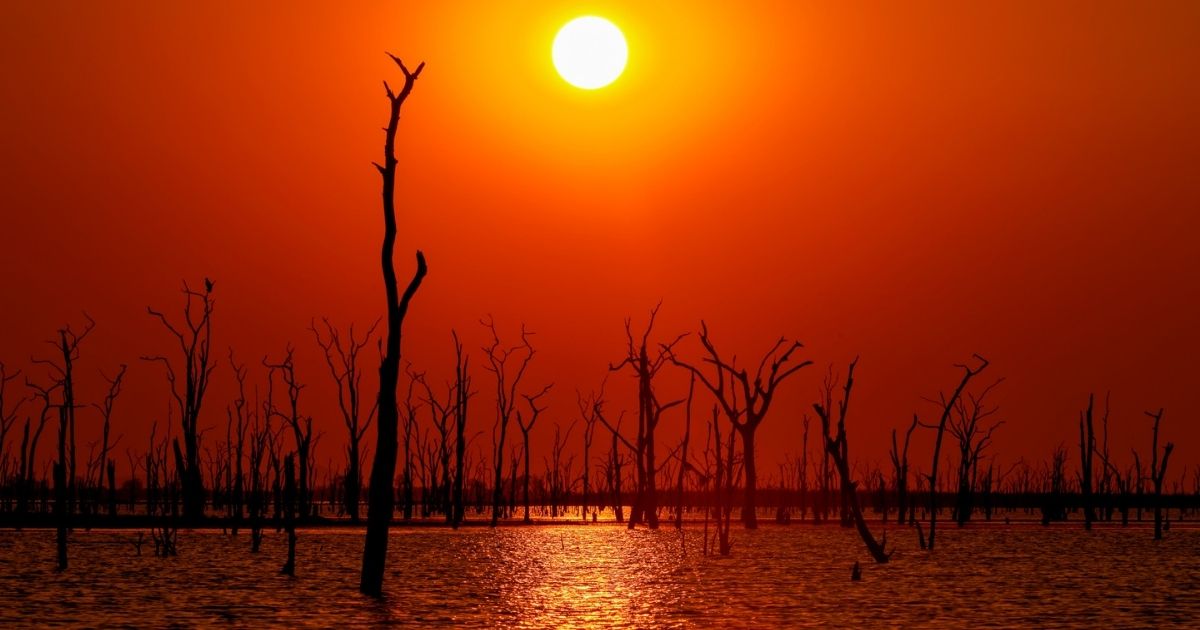
Lake Kariba was created between 1958 and 1963 when the Kariba Dam was built across the Zambezi, flooding the river valley and creating what is still one of the largest man-made reservoirs in the world by volume, covering 5,580 square kilometres.
The flooding drowned an enormous area of forest, and the dead trees that were not cleared before the water rose now stand preserved in the lake, bleached white by decades of sun, rising through the surface in vast numbers along the shoreline.
It is these dead trees that give Kariba its particular visual identity. At sunset, photographed against the orange and purple sky over the Matusadona hills on the Zimbabwean southern shore, the silhouetted trees reflected in still water produce an image so distinctive that it has become one of the defining visual symbols of Zimbabwe.
Houseboats drift through this scene slowly, which is both the most popular and the most fitting way to experience it.
Best time to visit: May to October for the clearest skies and best wildlife viewing along the shore.
8. Great Zimbabwe Ruins
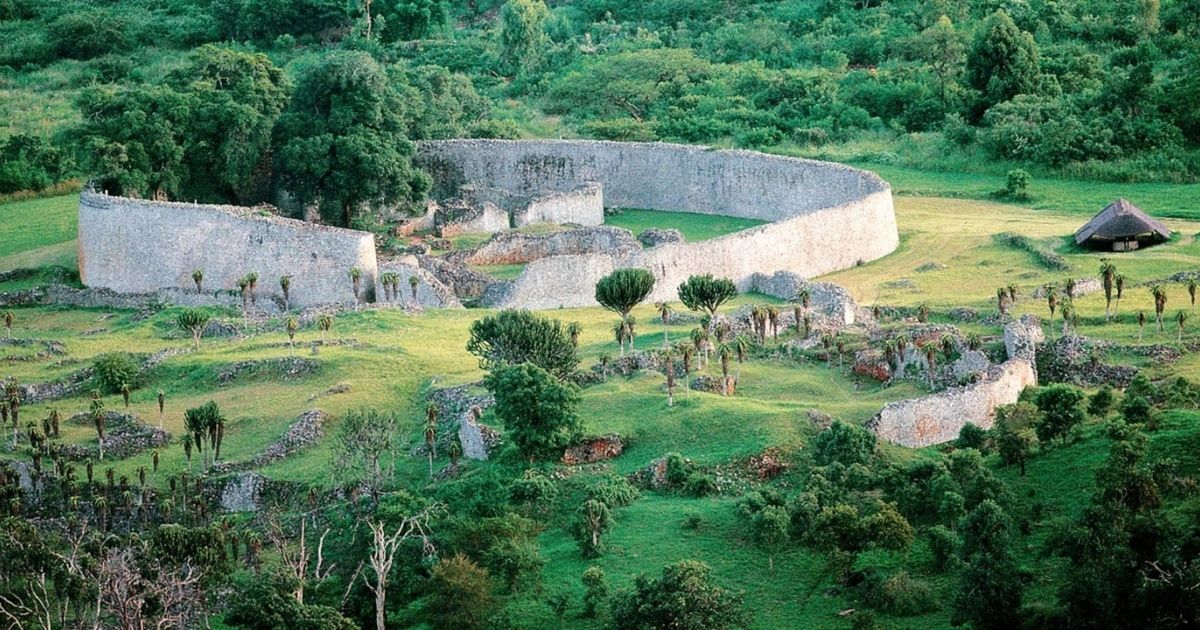
The Great Zimbabwe ruins are not a natural landscape, but they belong on this list because the combination of the ancient stone architecture and the surrounding bush scenery creates something that is quietly, persistently beautiful in a way that purely natural landscapes sometimes are not.
Great Zimbabwe was the capital of the Kingdom of Zimbabwe between the 11th and 15th centuries, and at its height, it housed a population estimated at between 10,000 and 18,000 people.
The dry-stone walls, built without mortar and in some sections reaching eleven metres in height, used a construction technique of such precision that the walls have remained standing for centuries without intervention. The site covers approximately 722 hectares across three distinct sections: the Hill Complex, the Valley Ruins, and the Great Enclosure, whose outer wall is the largest ancient structure in sub-Saharan Africa outside of Egypt.
Walking through the Great Enclosure in the early morning, before tour groups arrive, with the bush stretching away in all directions and the granite boulders of the Hill Complex visible above, is an experience that quietly but significantly changes how you understand this continent’s history.
Best time to visit: Year-round. Early morning visits before 9am offer the best light and the fewest crowds.
9. The Zambezi River Above Victoria Falls
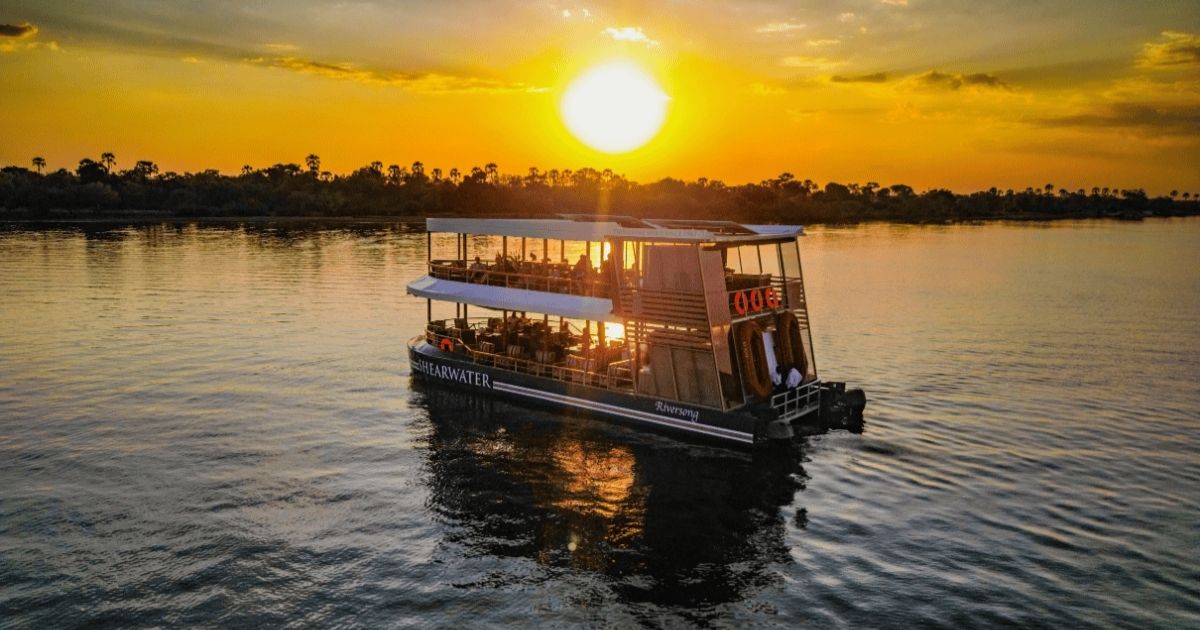
The stretch of the Zambezi upstream from Victoria Falls, where the river runs wide and unhurried through channels braided between wooded islands, is as different from the gorge below the falls as two sections of the same river can be. Here, the Zambezi River is calm enough for canoes and houseboats, broad enough to support permanent pods of hippos and the crocodiles stretched along every accessible sandbank, and populated along its banks by elephant, buffalo, waterbuck, and an exceptional range of waterbirds.
The river at this point is where sunset cruises operate from Victoria Falls town, and the particular quality of light on the upper Zambezi in the late afternoon, with the spray from the falls visible as a column rising above the treeline downstream and elephants silhouetted against the western sky along the Zambian bank, is the reason sunset on the Zambezi has become one of the most photographed moments in Zimbabwe travel.
Best time to visit: Year-round. The dry season from July to October offers the best wildlife along the banks.
10. Chinhoyi Caves
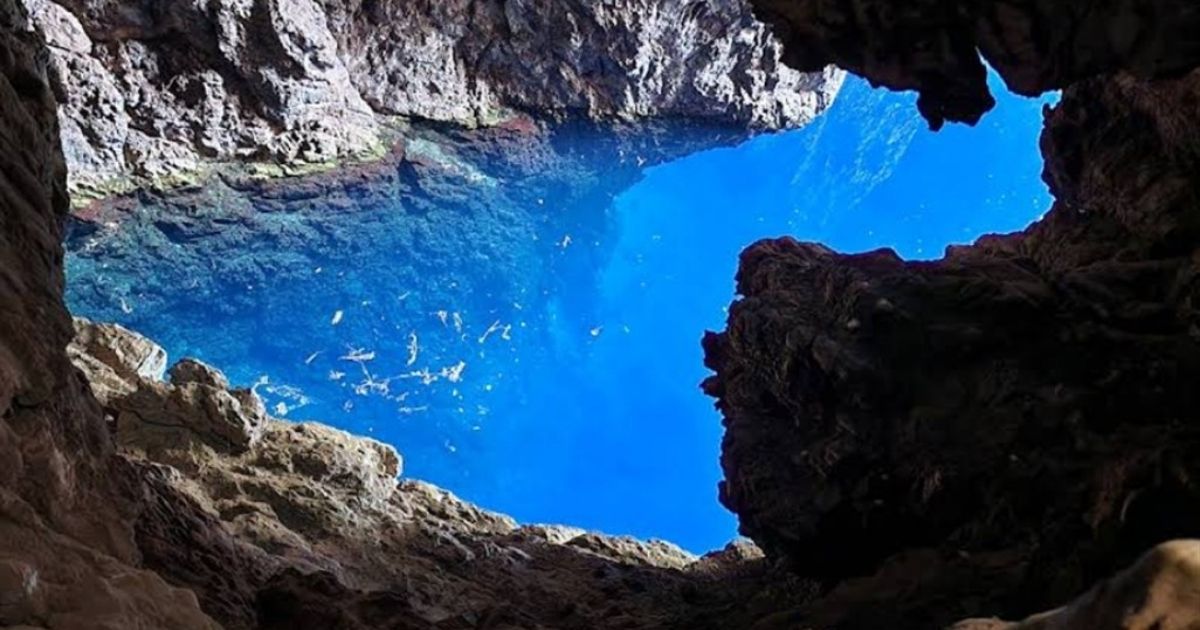
About 120 kilometres northwest of Harare, the Chinhoyi Caves hold one of Zimbabwe’s most disorienting and beautiful natural phenomena: a series of underground cave systems that descend into a pool of water so still, so perfectly transparent, and so intensely blue that standing at the edge of it and looking down feels less like looking into a cave and more like looking into the sky.
The Sleeping Pool, the primary pool in the system, owes its colour to the extraordinary clarity of the water and the angle of the light entering from above.
The blue deepens towards the centre of the pool, where divers have explored tunnels extending to depths of at least 90 metres.
The caves are sacred in local tradition and have been a site of significance to the Shona people for centuries.
The surrounding national park protects miombo woodland that supports a range of wildlife and birdlife above ground, making Chinhoyi worth the drive from Harare on both counts.
Best time to visit: Year-round. Midday light produces the most intense blue in the Sleeping Pool.
11. Mana Pools During Flood Season
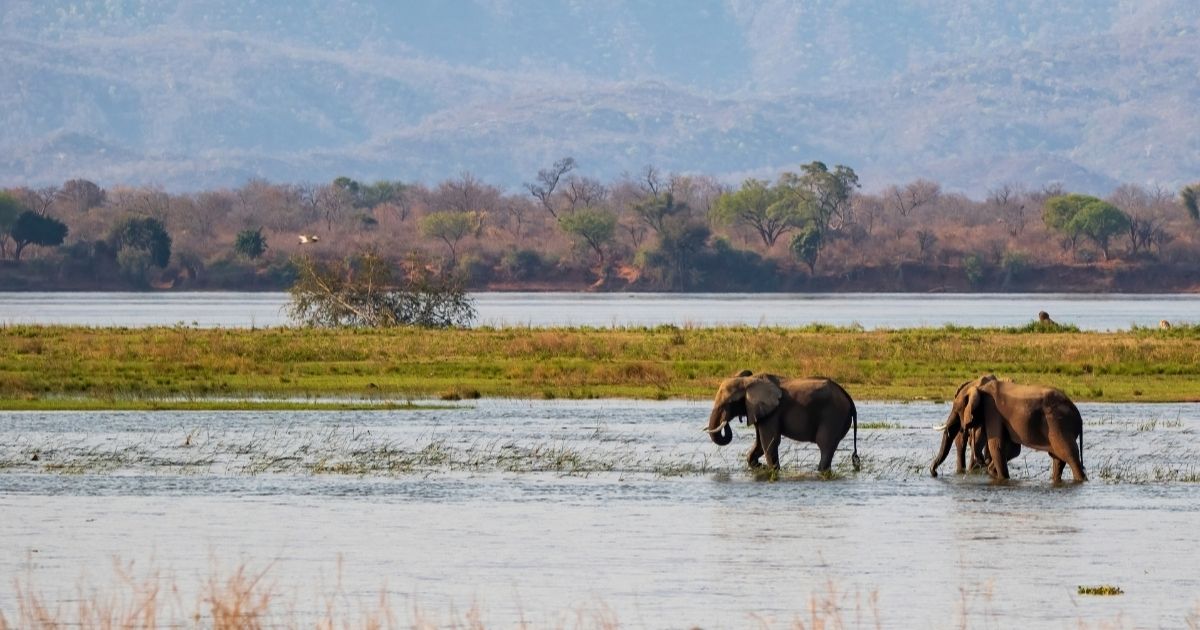
This entry might seem like a repetition of number two, but the flooded Mana Pools is a sufficiently different visual and ecological experience from the dry-season park to deserve separate consideration.
When the Zambezi rises between December and April and spills across the floodplain, the entire landscape transforms.
The flat, dusty terraces of the dry season become a lake-like expanse of shallow water that reflects the sky.
The albida trees stand in water up to their lower branches. The park is officially closed to vehicles during this period, but the visual transformation visible from the escarpment above is one of the more extraordinary seasonal spectacles Zimbabwe offers.
12. Nyanga National Park
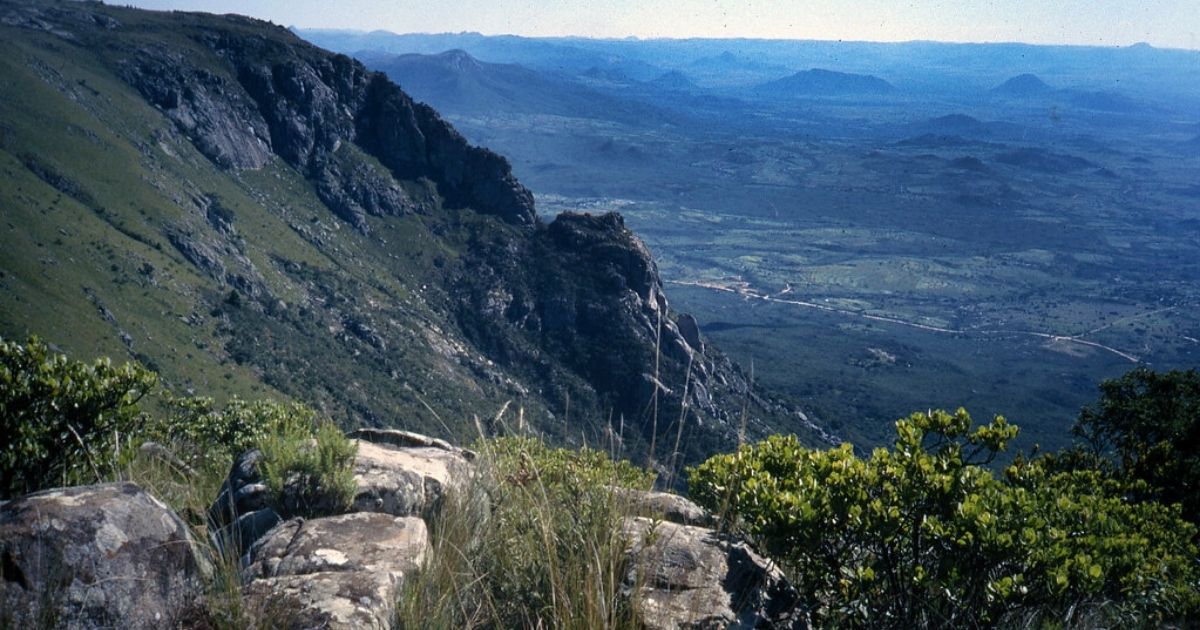
Zimbabwe’s oldest national park sits in the northern section of the Eastern Highlands and has a quality that is rare in African safari destinations: it is genuinely, unmistakably beautiful in the way that the word beautiful is usually applied to European or South American landscapes rather than African ones.
Rolling hills of green grass and granite outcrops, clear streams running through deep gorges, and the wide open summit of Mount Nyangani rising above everything are elements that produce a landscape of calm, sustained beauty that does not depend on wildlife encounters to justify the visit.
The park also offers some of Zimbabwe’s finest hiking, including the five-night Turaco Trail, which traverses mountain and forest landscapes from Mutarazi Falls National Park to the Nyanga highlands.
Trout fishing was introduced in the streams and rivers here during the colonial era and remains a popular activity among Zimbabwean visitors.
Best time to visit: Year-round. The green season from November to April makes the hills particularly lush.
13. Batoka Gorge
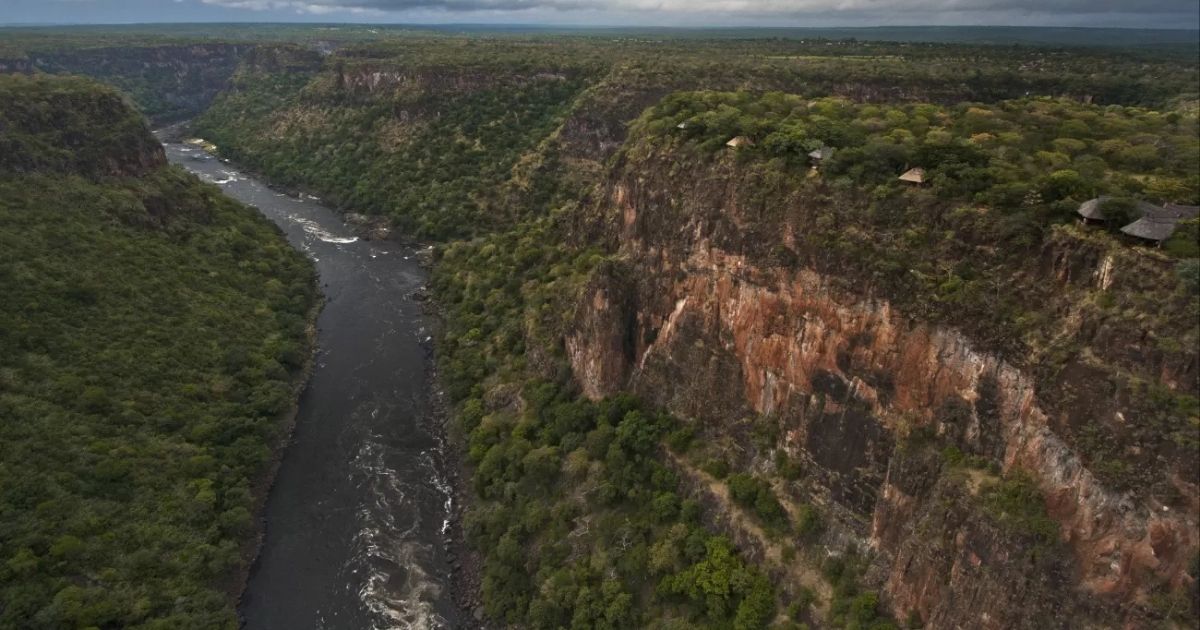
The gorge that the Zambezi carves below Victoria Falls is not a landscape that announces itself gently.
From the rim, the river is 120 metres below, visible as a narrow green ribbon at the bottom of sheer basalt walls that have been cut by the force of the water retreating upstream over hundreds of thousands of years.
The gorge is where white-water rafting takes place, where the bungee jump from Victoria Falls Bridge operates, and where the gorge swing drops its participants into a 95-metre free fall above the river. It is, from any angle and at any time of day, visually extraordinary.
The most accessible and underappreciated view of the gorge is from the walking trail on the Zimbabwe side below the falls, where the path descends to the Boiling Pot at the head of the gorge and the scale of what the river has cut through the rock becomes fully comprehensible.
Best time to visit: Year-round. The dry season offers clearer views into the gorge without spray obstruction.
14. Bvumba Mountains
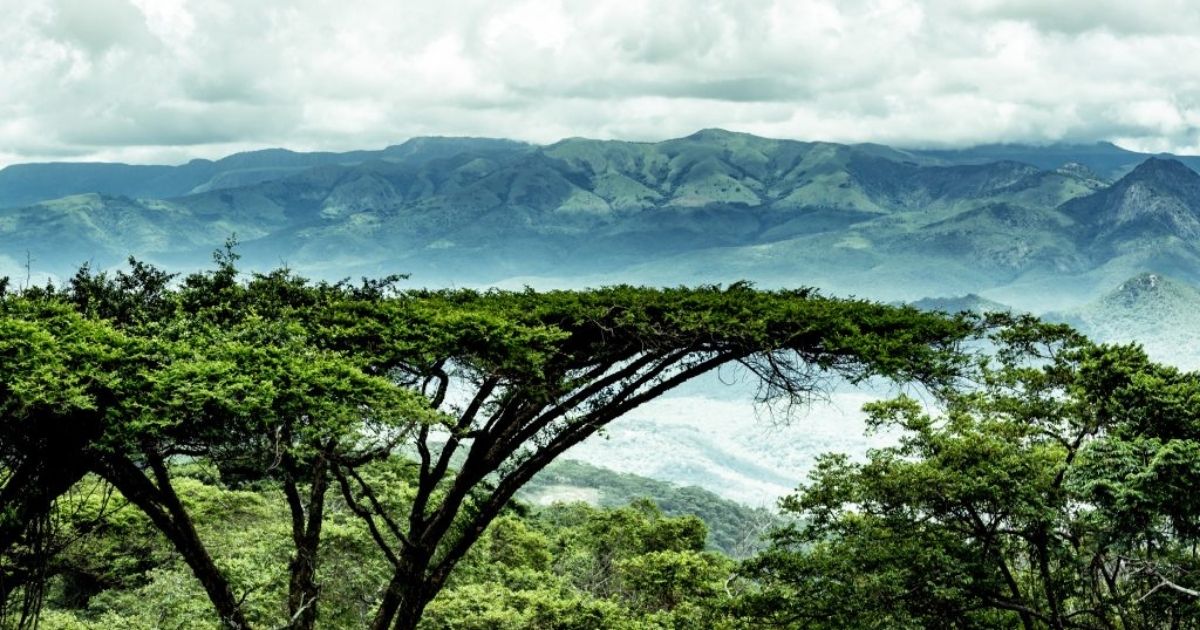
The Bvumba Mountains occupy the central section of the Eastern Highlands and have a character quite distinct from the peaks of Nyanga to the north or the wild terrain of Chimanimani to the south.
They are lower, more forested, and almost permanently shrouded in mist and low cloud that has created a microclimate supporting vegetation found nowhere else at this latitude in Zimbabwe.
The Vumba Botanical Garden, which sits within the mountains and holds a collection of indigenous and exotic plants, is one of the quieter and more overlooked attractions in the country.
The area also supports a coffee-growing industry and produces soft cheeses, lending the highlands a distinctly unexpected European quality that disorients first-time visitors pleasantly.
The samango monkey, found in the forest and identifiable by its blue-grey colouring, is one of several rare species the Bvumba supports that are not easily found elsewhere in Zimbabwe.
Best time to visit: Year-round. The mist and low cloud are most atmospheric between November and March.
15. Matusadona National Park
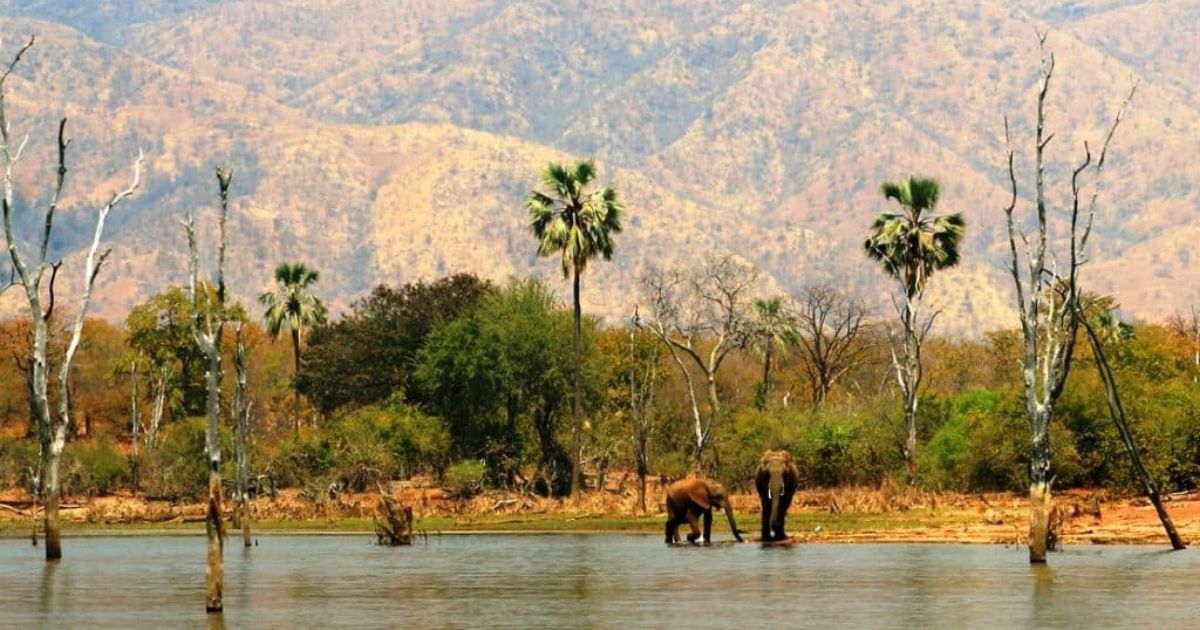
Matusadona sits on the southern shore of Lake Kariba, accessible primarily by boat or light aircraft, and combines the iconic dead-tree silhouette landscape of the lake shore with a proper national park experience that includes lion, leopard, elephant, and buffalo.
The combination of water, sky, and wildlife on the Kariba shoreline produces a visual landscape unlike anything else in Zimbabwe, and unlike almost anything else in southern Africa.
The park is considerably less visited than Hwange or Mana Pools, which gives it a quiet and unhurried character that appeals strongly to experienced safari travellers who want the wildlife without the company.
Houseboat safaris that anchor off the Matusadona shore at night, with lion calling from the land and hippos surfacing around the boat in the darkness, produce memories of the kind that make Zimbabwe genuinely difficult to leave behind.
Best time to visit: May to October during the dry season when wildlife concentrates along the shoreline.
Zimbabwe Travel Hub, updated May 2026. Park access and seasonal conditions vary. Always confirm opening dates and road conditions before visiting remote destinations such as Gonarezhou and Matusadona.