
Flights to Zimbabwe in 2026
Zimbabwe’s safaris, ancient ruins and the thunder of Victoria Falls have never been easier to reach.
A combination of expanding regional networks, resurgent long-haul ambition and one landmark new route has reshaped how the world flies in, whether you are setting off from London, Los Angeles, Lagos or Lahore.
This guide sets out the major transit hubs that funnel travellers towards Zimbabwe, the newly reinstated direct link between London and Harare, and the regional carriers that will carry you on the final leg of your journey, whether that is into the capital or straight to the edge of the Falls.
Major International Hubs Connecting to Zimbabwe
Zimbabwe sits at something of a crossroads for African travel, but it is not, in aviation terms, a hub in its own right.
Harare International Airport, officially named Robert Gabriel Mugabe International Airport, receives scheduled flights from around 17 airports worldwide, and almost all of them arrive via a connection rather than a nonstop service from outside Africa or the Middle East.
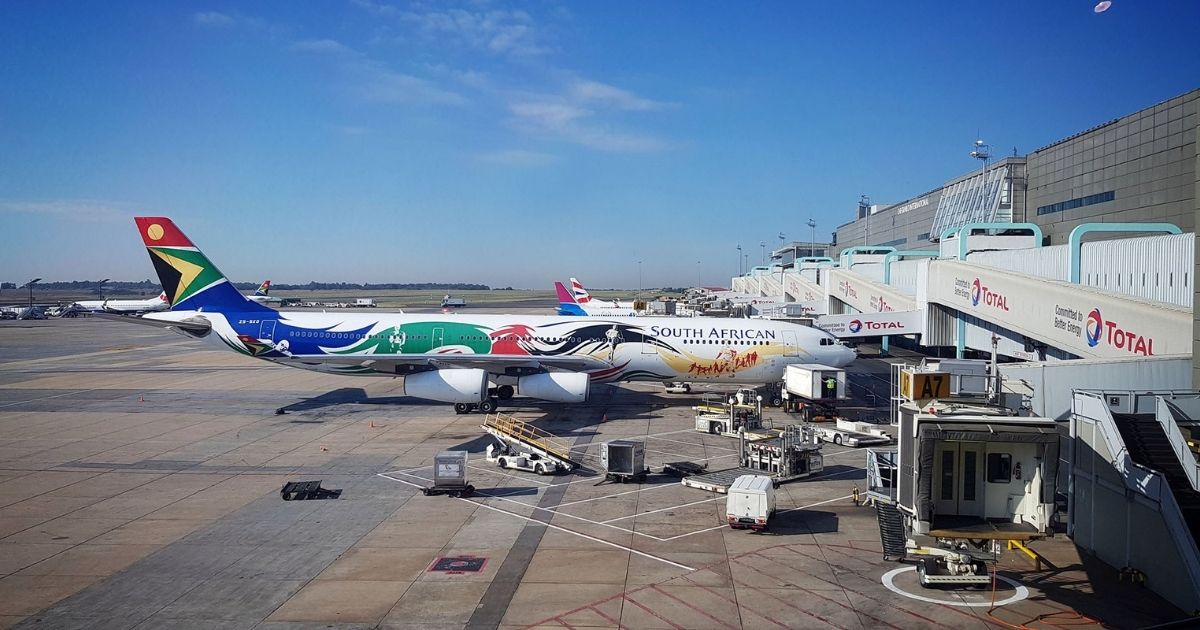
Johannesburg (JNB) remains the single most useful gateway. O.R. Tambo International Airport is southern Africa’s busiest airport, and its links to Harare, Victoria Falls and Bulawayo run several times daily on carriers including Airlink, South African Airways and Fastjet. For travellers arriving from Europe, North America or Asia on a major long-haul carrier, Johannesburg is usually the natural changeover point.
Addis Ababa (ADD) is Ethiopian Airlines‘ home hub and one of the continent’s most extensive networks in its own right. It is also notable for offering the longest nonstop route into Victoria Falls International Airport, at around 2,068 miles, making it a genuinely useful option for travellers heading straight for the Falls rather than the capital.
Nairobi (NBO) functions in a similar way for Kenya Airways passengers, with onward connections into both Harare and Victoria Falls, the latter a flight of a little over three hours.
Dubai (DXB) deserves particular mention. Emirates operates a nonstop service between Dubai and Harare, a flight of roughly nine hours and forty-five minutes, giving Zimbabwe one of its very few genuine widebody links to a major global hub. For travellers from Asia, Australia or the Americas connecting through Emirates’ network, this is often the most direct route available.
Abu Dhabi (AUH) offers a seasonal nonstop with Etihad Airways, typically operating between March and June, and at just over 3,300 miles it is the longest route flown into Harare.
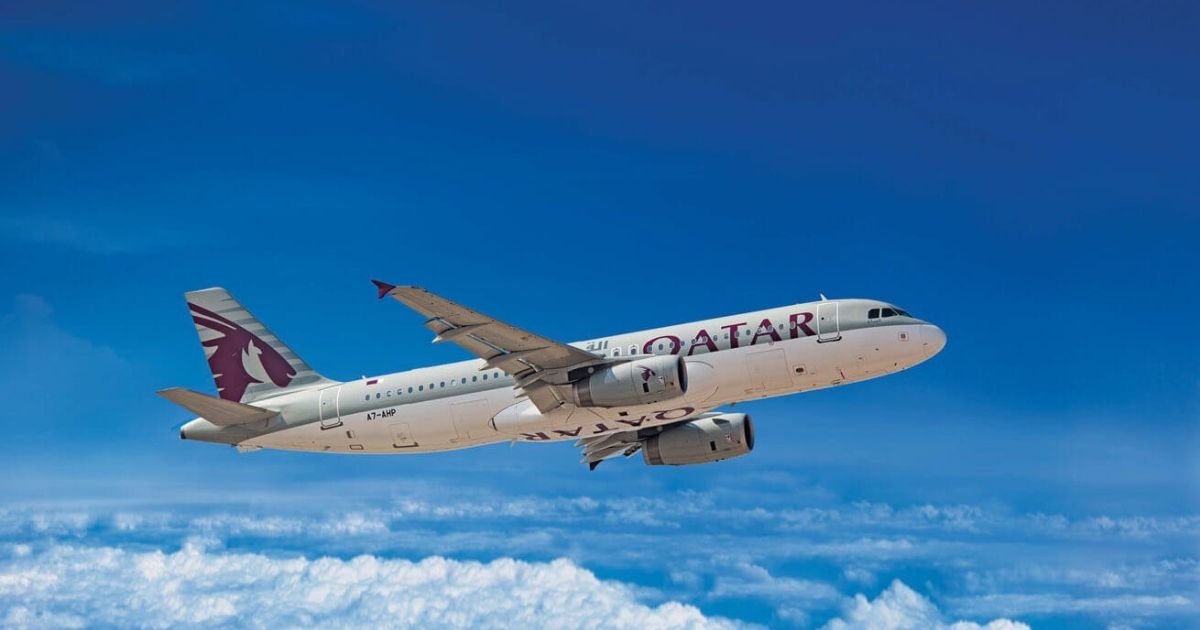
Doha (DOH) rounds out the Gulf options. Qatar Airways serves Zimbabwe with a one-stop routing via Johannesburg, which still makes it a workable choice for travellers connecting from Europe, the Americas or Asia through Doha’s own extensive network.
Connecting from North America and Asia
There are, as things stand, no nonstop flights between Zimbabwe and the United States, Canada or anywhere in Asia.
Travellers from these regions should expect at least one, and often two, changes of aircraft.
The most efficient routings tend to run through Addis Ababa with Ethiopian Airlines, through Dubai with Emirates, or through Doha with Qatar Airways, each of which offers a single well-timed layover rather than a patchwork of shorter regional hops.
From the US East Coast, New York and Washington are the most commonly used departure points; from the centre of the country, Dallas Fort Worth offers workable connections via Dubai.
Economy return fares from the United States typically fall somewhere between $700 and $1,300, depending on season, routing and how far in advance you book.
Breaking Ground: New Direct Flight Routes
The London-Harare Connection
The most significant development for 2026 is the return of nonstop flights between London and Harare.
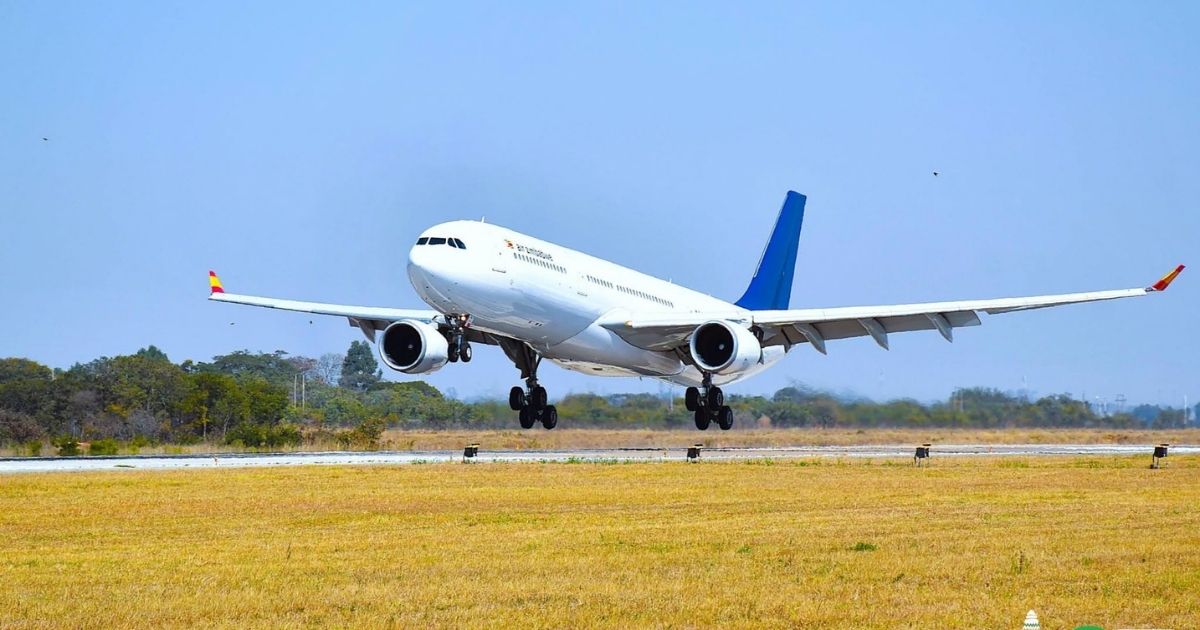
Air Zimbabwe launched the service in late July, its first UK route in fourteen years, having last flown into London back in 2012.
The flights are operated on the airline’s behalf by the Spanish carrier Plus Ultra, using an Airbus A330-200 widebody under a wet-lease arrangement, and depart from Gatwick’s South Terminal three times a week.
The flight takes around ten hours and fifteen minutes from Harare to London, and slightly longer, around ten hours and forty-five minutes, on the return leg.
That makes Gatwick the only airport in the UK currently offering a nonstop link to Zimbabwe’s capital.
Benefits for Travellers
For European tourists, this single change removes what had become a genuinely awkward routing.
Until this year, anyone flying from London to Harare needed to connect through a regional hub such as Addis Ababa, Kigali or Johannesburg, adding anywhere from six to fourteen hours onto the total journey time.
A direct service cuts that overhead entirely and puts Victoria Falls and Hwange National Park within a single day’s travel of the UK.
The route also works in the other direction. A Harare arrival gives international travellers a fresh entry point into the wider region, with onward connections available to Botswana, Zambia and South Africa, positioning Zimbabwe as a more credible base for multi-country southern African itineraries rather than simply a add-on stop.
Regional African Airlines and Connections
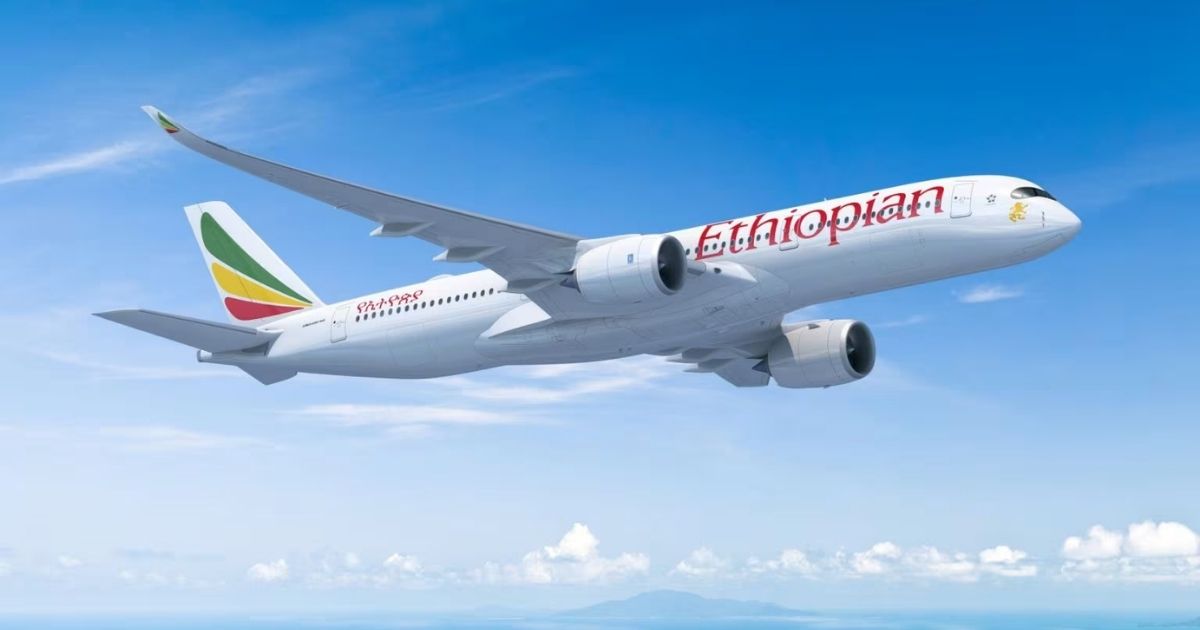
Once you have reached one of the continent’s major hubs, a smaller cast of regional and Zimbabwe-based carriers takes over for the final leg.
Ethiopian Airlines is the heavyweight of the group, using its Addis Ababa base to serve both Harare and Victoria Falls with some of the most consistent scheduling on the continent.
Kenya Airways performs a similar role from Nairobi, useful for travellers already routing through East Africa.
Airlink, a South African regional carrier, is the workhorse for Johannesburg connections, flying into Harare, Victoria Falls and Bulawayo, and also linking Victoria Falls onward to Cape Town, Windhoek and Nelspruit.
Fastjet, based in Zimbabwe, is currently the busiest single operator at both Harare and Victoria Falls airports, running the highest frequency of any carrier on domestic and near-regional routes including Harare-Victoria Falls, Victoria Falls-Johannesburg and Victoria Falls-Bulawayo.
RwandAir, via its Kigali hub, and Air Botswana, connecting from Gaborone, add further options for travellers arriving from elsewhere in the region, while South African Airways, CemAir and Safair provide additional Johannesburg-Victoria Falls capacity.
Seamless Safaris
The practical upshot of this dense regional network is that an international arrival into Johannesburg or Cape Town rarely means the journey is over.
A same-day or next-morning connection on Airlink or Fastjet will typically have you standing at the gates of Victoria Falls or on the outskirts of Hwange within a few hours, without the need to overnight in South Africa unless you choose to.
Choosing Your Entry Point: Harare vs Victoria Falls
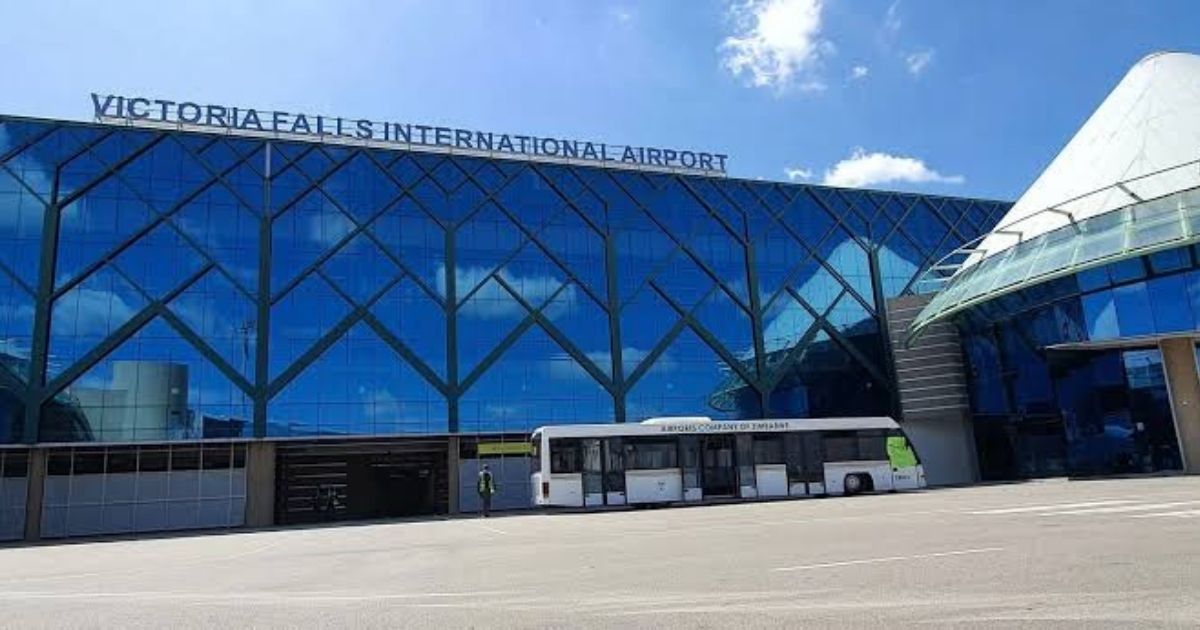
Zimbabwe’s two international airports serve genuinely different kinds of trip, and choosing correctly at the booking stage can save a good deal of backtracking later.
Harare (HRE) is the better choice for business travellers, anyone attending a cultural festival or event in the capital, and those planning to explore the Eastern Highlands or the northern safari circuit around Mana Pools National Park. It carries the greater international connectivity of the two airports, including the new London link, Emirates’ Dubai service and Etihad’s seasonal Abu Dhabi flight.
Victoria Falls International Airport (VFA) is built with leisure travel in mind. It is the natural choice for honeymooners, first-time visitors and anyone whose itinerary centres on the Falls themselves or on safari in Hwange National Park, which lies within easy reach by road or light aircraft. It has no long-haul intercontinental services of its own, relying instead on regional connections, chiefly through Johannesburg, Addis Ababa and Nairobi, but its position as a dedicated tourism gateway means arrivals process quickly and onward transfers to lodges and hotels are well established.
Planning Your Booking: Timing and Fares
Zimbabwe’s dry season, running roughly from April to October, is peak season for wildlife viewing, when animals cluster around dwindling water sources and skies stay reliably clear.
It is also, unsurprisingly, when flights and accommodation are priced highest and book out furthest in advance.
The wetter months from November to March bring lush landscapes, dramatic skies and considerably quieter, cheaper travel, along with the Falls at their most powerful once the rains have fed the Zambezi.
Booking around two to three months ahead of a dry-season trip is a sensible rule of thumb, and it is worth watching fares on the new Gatwick route closely in its first year, as new services often carry competitive introductory pricing before settling into a longer-term pattern.
Frequently Asked Questions
What airlines fly directly into Harare?
Emirates operates a nonstop service from Dubai, Etihad Airways runs a seasonal nonstop from Abu Dhabi between March and June, and Air Zimbabwe now flies nonstop from London Gatwick. Beyond these, Harare has strong direct regional links from Johannesburg, Addis Ababa, Nairobi and Lusaka via Ethiopian Airlines, Kenya Airways, Airlink, Fastjet and RwandAir.
Do I need a transit visa when connecting through South Africa?
It depends on your nationality and how your itinerary is ticketed. Travellers on a single through-ticket who remain within the international transit area at O.R. Tambo generally do not need a South African visa, regardless of layover length, though a small number of nationalities require a transit visa even while staying airside. If your flights are booked as separate tickets, you will usually need to clear South African immigration to collect and recheck your luggage, which does require a valid visa unless you are exempt. Because rules vary by passport and can change, it is worth confirming your specific requirements with your airline or the relevant South African mission well before you travel.
What is the best time of year to book flights to Zimbabwe?
For the dry-season peak between April and October, aim to book two to three months ahead, particularly for the July to October stretch when demand for both flights and safari lodges is highest. The wetter months from November to March tend to offer cheaper fares and more availability, alongside their own rewards in birdlife and a fuller Zambezi.
A Season of Easier Access
Between an expanding web of regional connections and the return of a nonstop link to London after fourteen years away, 2026 marks a genuine shift in how straightforward it is to reach Zimbabwe.
Whichever hub brings you into the region, whether that is Dubai, Addis Ababa, Johannesburg or now London itself, the final leg into Harare or Victoria Falls has rarely been this well served.
Start mapping your route early, and the rest of the trip, safaris, sunsets over the Zambezi and all, falls into place.