A Zimbabwean writer’s guide on the best time to visit Victoria Falls, from water levels and weather to wildlife and the moments worth planning a trip around
Updated 26 October 2026
The locals call it Mosi-oa-Tunya – “the smoke that thunders” – and in April you understand why long before you see the water.
On the road into town, a white column of spray rises above the treeline, more than 400 metres (1,300ft) into the sky. In a good flood year, it can be seen from 50km away.
Come back in October and the same cliff looks like a different place. The curtain of water has thinned to ribbons. Black basalt is exposed, the gorge floor is visible, and parts of the Zambian side may be little more than a wet stone wall. Both are Victoria Falls, and both are worth the journey. Which one you want depends on what you came for: raw power or clear views, wildlife or white water.
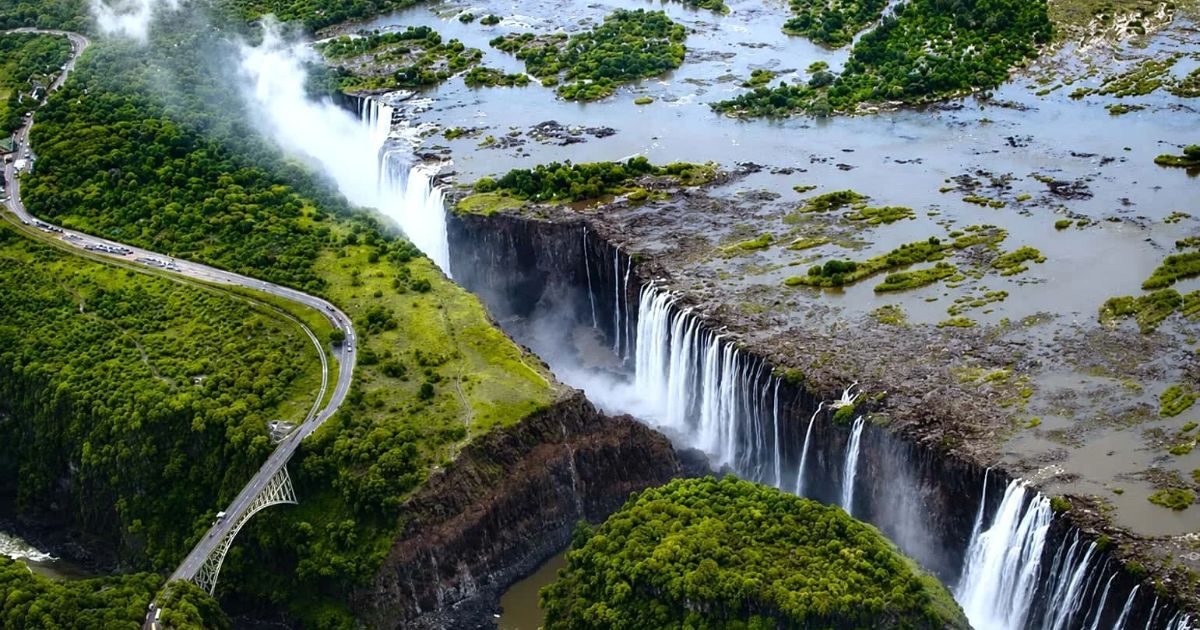
The falls stretch about 1.7km across the Zambezi and drop up to 108 metres, which is why UNESCO made them a World Heritage Site in 1989. I have visited in every month of the year, many times, and no two seasons have felt alike. This guide explains what to expect, month by month, so you can choose the version of the falls that suits you.
When Is the Best Time to Go?
- Best overall: June to August. Clear skies, cool, dry days, strong water in June and July, and wildlife gathering at waterholes in nearby national parks. This is the easiest season for photography.
- Peak flood: March to May. Maximum thunder, towering mist and total saturation. April is usually the fullest month.
- Low water and adventure: September to December. The gorge walls are exposed, Devil’s Pool opens, and white-water rafting is at its best.
- Quietest and cheapest: January to March. Lush, humid and prone to afternoon storms, with the lowest lodge rates of the year.
If you can only go once and want the best balance of water, weather and wildlife, aim for June or July.
High Water vs. Low Water: Two Completely Different Experiences
The calendar trick: why the falls peak after the rains
Here is the first thing most visitors get wrong. The rainy season around Victoria Falls runs from about November to March, yet the falls are not at their fullest until March, April and May. The reason is geography. The Zambezi gathers water from a vast catchment well upstream, and the flood wave takes weeks to travel down the river. By the time it arrives, the local skies have usually cleared.
The practical lesson is that water levels follow the rains upstream, not the date on your phone. A late or weak rainy season can shift the peak by weeks, and in drought years, such as 2019, the flow has fallen to remarkable lows. Ask your lodge or guide about current conditions before you book flights.
High water is not always best
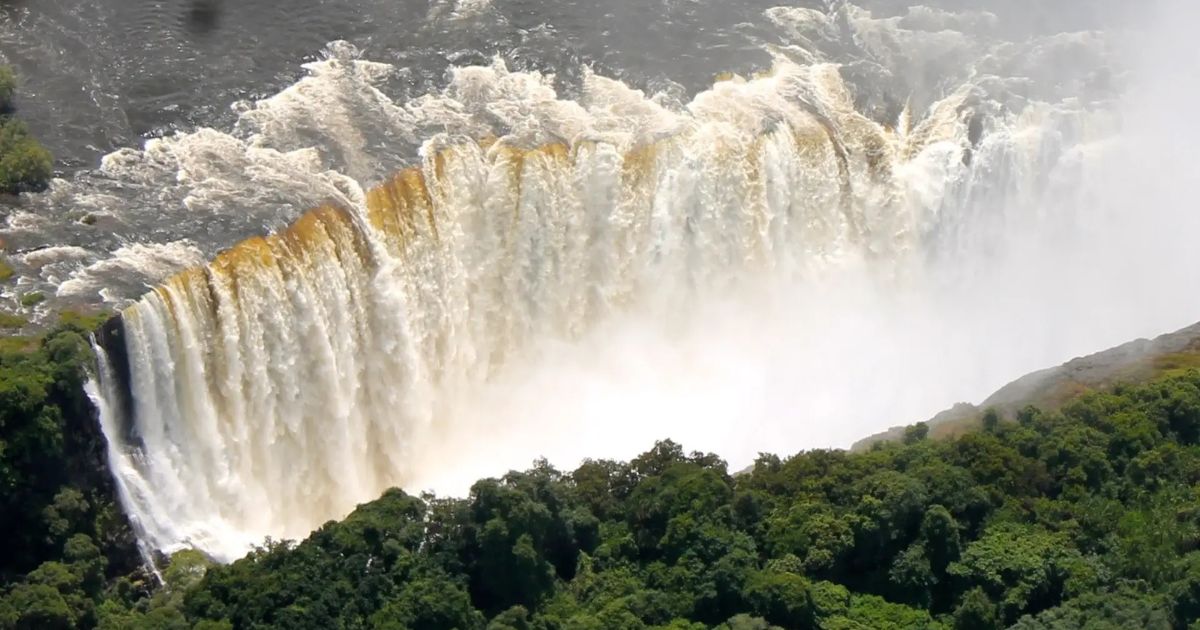
It sounds counterintuitive, but the fullest falls are not necessarily the best falls. In April, so much spray rises from the gorge that it can swallow the view entirely. At the Main Falls viewpoints on the Zimbabwean side, you may hear the water and feel the ground tremble without seeing much at all. The rainforest path becomes a long, drenching walk. Phones, lenses and spectacles all suffer.
That is also its charm. Few experiences in Africa are as visceral as standing in a roaring downpour that is falling upwards. I have left every April visit soaked to the skin and grinning. Just don’t expect a postcard.
Low water reveals the architecture
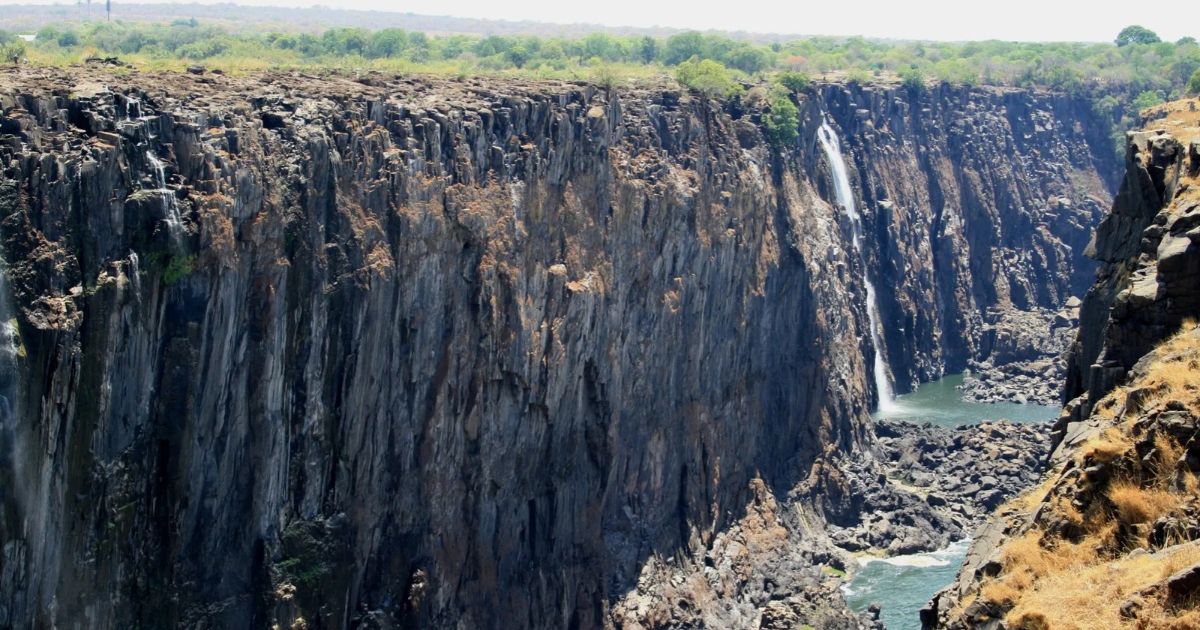
In October, the show changes. As the river drops, the mist clears and the geology comes into view: sheer basalt walls, the zigzag line of gorges that the falls have carved as they have retreated upstream over hundreds of thousands of years, and the sheer depth of the canyon. For many travellers, this is when the falls finally make sense.
There is a catch. The Zambian side, which relies on the Eastern Cataract and Rainbow Falls, can thin dramatically or run almost dry at the end of the dry season. The Zimbabwean side keeps its Main Falls and Devil’s Cataract flowing all year, which is why we like to say that if you visit between September and December, base yourself in Zimbabwe.
The Main Travel Seasons
Peak Flow Season (March – May)
The experience. At peak flood, commonly cited estimates put the flow at more than 500,000 cubic metres of water a minute. The noise is deafening, the air is thick with spray, and the entire 1.7km front of the falls is in full cry. The first sight of the Main Falls from the path on a clear April morning is something I have never tired of.
Best activities. Helicopter flights – known locally as the “Flight of Angels” – are the best way to see the whole falls from above the mist. They last about 12 to 15 minutes. The Victoria Falls Bridge, which spans the gorge between Zimbabwe and Zambia, is another good vantage point, and moonlit walks to see the lunar rainbow are possible in the months around full moon.
Insider tip. Bring heavy-duty waterproof cases for your camera and phone, a microfibre cloth for lenses, and shoes with grip. Rain ponchos are sold at the gate, but they rarely survive the Main Falls. Waterproof trousers are worth the space in your bag.
Rising Water (January – February)
The experience. Hot, humid, green and quiet. Afternoon storms roll in over the Zambezi valley, the river is climbing, and the mist is building, though it is rarely as heavy as in April.
Best activities. Early-morning visits to the falls, birdwatching in the rainforest and the riverine woodland, and bargain-priced stays. Safari in this period is less rewarding, as thick bush hides the animals.
Insider tip. The best light and clearest air come early. Plan viewpoints before 10am, keep a light rain jacket handy, and be aware that Victoria Falls is a malaria-risk area. Ask your doctor about prophylaxis.
The Sweet Spot (June – August)
The experience. Winter in the Zambezi valley is crisp and dry. Days are warm and sunny, nights are cool, and the views are as clear as they get. In June and July, the river is still mighty, but the mist has eased enough to let you see the water you hear. By August, the flow starts to drop and the gorge walls begin to emerge.
Best activities. Walk the rainforest paths on the Zimbabwean side, where the spray still sustains lush vegetation, and take a sunset cruise on the upper Zambezi. From the boat, you can watch hippos, crocodiles and elephants against a sky that turns copper as the sun drops. If you are here in late June or early July, the Victoria Falls Marathon usually takes place around this time.
Insider tip. This season pairs perfectly with the peak safari months in nearby Hwange National Park, which is roughly a three-hour drive from town. Book early. Accommodation and tours fill fast from July, and mornings are cold enough that you will want a fleece, especially on open vehicles.
Low Water and Adventure Season (September – December)
The experience. The river slows and the rocks emerge. Temperatures climb, and October is often the hottest month of the year, frequently pushing above 35°C. The Main Falls on the Zimbabwean side continue to flow, and the view across the gorge is wide open. By December, the first storms arrive and the river begins to swell again.
Best activities. Swim at the edge of the falls in the world-famous Devil’s Pool, a natural rock pool on the lip of the falls, and tackle some of the world’s best Class V white-water rafting in the Batoka Gorge below. Bungee and gorge swings are also at their most dramatic when the rock faces are fully visible.
Insider tip. Stay on the Zimbabwean side, which retains permanent water flow year-round, and cross into Zambia for a day to swim in Devil’s Pool, which is reached from the Zambian side via Livingstone Island. Start early, carry water, and take sun protection seriously.
Best Time to Visit for Specific Activities

For adrenaline
- White-water rafting: Late August to December, and in some years into early January, when river levels drop and the full run of the gorge opens. Operators set dates by river level, not the calendar, so confirm before you book.
- Bungee, bridge swing and gorge swing: Year-round, though low water gives you the clearest view of the rock faces.
For the falls themselves
- Devil’s Pool swimming: Late August to early January. Access depends entirely on low river levels, and trips can be cancelled at short notice.
- Lunar rainbow (moonbow): High-water months, roughly March to July, around the full moon, when the park opens at night. May to July is often the best bet, as skies are clearer than in the rainy season. Check the lunar calendar and confirm opening times with the park before you travel.
- Helicopter and microlight flights: All year. March to July gives the most dramatic flow, and September to November gives the clearest view of the gorge’s structure.
- Photography: June to August for clear light and sharp, rainbow-framed views. April and May for drama, if your equipment can handle the spray.
For wildlife
- Hwange National Park: July to October, when animals crowd around the waterholes.
- Chobe River (Botswana): June to October for big elephant herds on the riverfront, a day trip across the border from Victoria Falls.
- Birdwatching: November to April, when migrants arrive and the bush is lush.
For peace and quiet
- Fewer crowds: January to March, and November.
Which Side of the Falls Should You Choose?
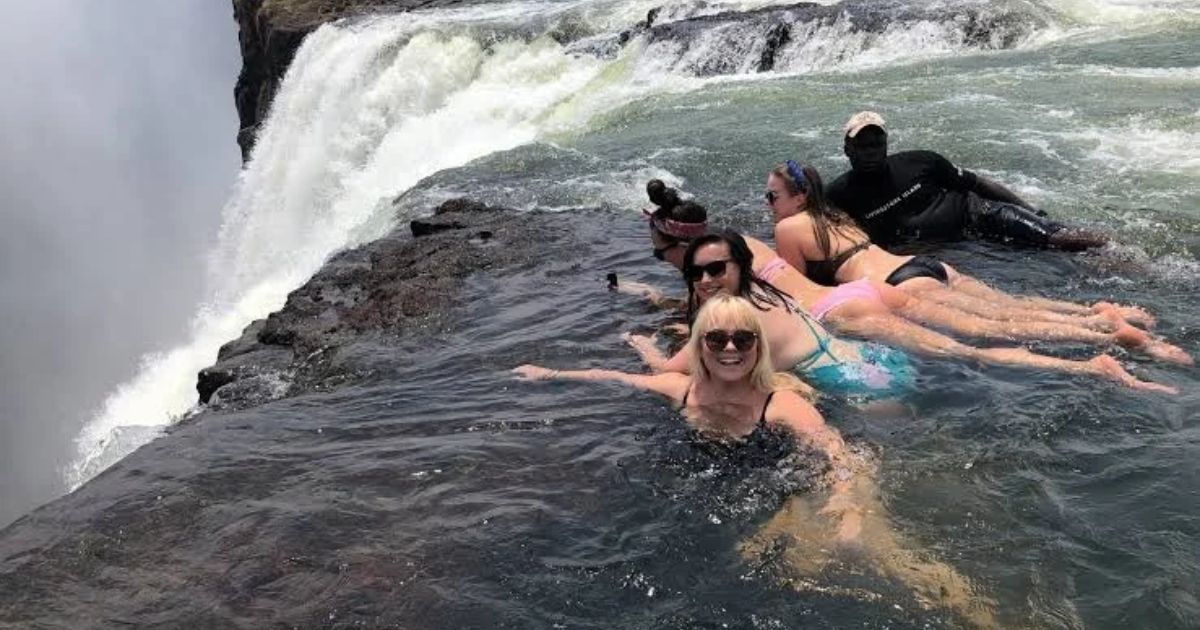
The Zimbabwean side offers the broader view, taking in the Main Falls, Devil’s Cataract and much of the front. It is also the more reliable side in the low-water months. The Zambian side gives you closer access to the lip of the falls, including Devil’s Pool and Livingstone Island, but it can look thin from September to December.
The two sides are a short distance apart, and many visitors cross the border by road over the Victoria Falls Bridge. Where available, the KAZA UniVisa has allowed travellers to move between Zimbabwe and Zambia on one visa. Check current entry requirements before you go.
Victoria Falls Month-by-Month Cheat Sheet
Water levels and conditions vary from year to year. Treat this as a guide, not a guarantee.
| Month | Water level | Weather | Safari value | Crowds and prices | Best for |
|---|---|---|---|---|---|
| January | Rising | Hot, humid, afternoon storms (28–31°C) | Poor to fair | Moderate, peaks at New Year | Lush scenery, birding |
| February | High, rising | Hot and wet | Poor | Low | Budget travel, green landscapes |
| March | Very high | Warm, wet, easing | Fair | Low to moderate | Thunderous flow, fewer people |
| April | Peak flood | Warm, drying out | Fair | Moderate, Easter busy | Raw power, helicopter flights |
| May | Very high | Mild, dry, cool nights | Good | Moderate | Moonbow, power with clearer skies |
| June | High, falling | Cool, dry, sunny | Very good | High | All-round best, marathon |
| July | Moderate to high | Coolest month, dry | Excellent | High | Photography, Hwange pairing |
| August | Moderate, falling | Warm days, cool nights | Excellent | Peak | Wildlife, first rafting runs |
| September | Low | Hot and dry | Excellent | High | Rafting, Devil’s Pool |
| October | Lowest | Hottest, 35°C and above | Excellent | High | Gorge views, adrenaline |
| November | Low | Hot, humid, first storms | Good | Moderate | Quiet falls, birding, rafting |
| December | Low, starting to rise | Hot and wet | Fair | High around Christmas | Festive travel, Devil’s Pool until early January |
Planning Your Trip: Practical Tips
- How long to stay: Two to three nights covers the falls and a few activities. Add two to three nights if you want to include Hwange or a day in Chobe.
- Getting there: Victoria Falls Airport has regional connections, including from Harare and Johannesburg. Hwange is about three hours by road.
- Book ahead: July to October and the Christmas and New Year period are busy (especially when there are festivals like The Vic Falls Carnival which is coming back in 2027). Reserve rooms and popular activities well in advance.
- What to pack: Waterproofs for March to May, layers for June and July, and sun protection, a hat and a refillable water bottle for September to December.
- Health: Victoria Falls lies in a malaria area, and the risk is highest during the rains. Speak to a doctor or travel clinic before you go.
- Stay safe at the edge: Paths are slippery and some viewpoints, such as Danger Point, have limited barriers. Take care, especially with children.
Frequently Asked Questions
What is the best month to visit Victoria Falls?
For most travellers, June or July offers the best mix of strong water, clear views, comfortable temperatures and good wildlife viewing nearby.
When are the falls at their fullest?
Usually in April, though the peak runs from March to May depending on how much rain fell upstream.
Is Victoria Falls worth visiting in the dry season?
Yes. The flow is lower, but the Zimbabwean side still offers a spectacular view, and the dry season brings Devil’s Pool, white-water rafting and the best game viewing in the region.
When is the cheapest time to visit?
January to March, when many lodges lower their rates. Expect heat, humidity and rain.
When is the rainy season?
From about November to March. The falls peak a few weeks after the rains end, because the flood wave takes time to travel down the Zambezi.
When can you swim in Devil’s Pool?
Typically from late August to early January, when the river is low enough. Access is on the Zambian side, and trips can be cancelled if levels rise.
Can you see the moonbow?
Yes, on clear nights around the full moon, mainly in the high-water months. The park opens at night for these occasions, so confirm dates and times in advance.
The Verdict
There is no wrong time to see Victoria Falls, only different versions of it. Come in April if you want to be humbled by sheer power. Come in June or July if you want everything in balance. Come in October if you want to swim at the edge, run the rapids and see the gorge laid bare.
Whenever you choose, base yourself on the Zimbabwean side, go early, and give yourself time. The smoke will still be thundering when you arrive.