Zimbabwe Travel Seasons
Zimbabwe is a country that rewards travellers who take the time to understand its rhythms.
Landlocked in southern Africa, it is defined by vast wildlife reserves, dramatic waterways, ancient heritage sites and some of the continent’s most welcoming people.
From the roar of Victoria Falls to the quiet intensity of a safari at dawn, Zimbabwe offers powerful experiences in every month of the year.
However, the period you visit can shape your journey in important ways.
Understanding Zimbabwe’s travel seasons is essential when planning a trip. Weather patterns affect wildlife movements, road access, water levels and even prices.
Whether you are chasing classic safari scenes, dramatic landscapes, birdlife or value for money, each season in Zimbabwe offers something distinct.
Zimbabwe’s Climate and Geography Explained
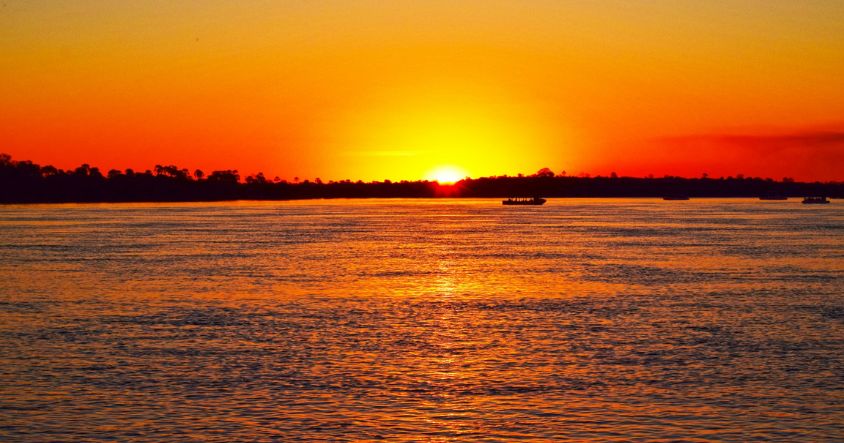
Zimbabwe has a subtropical climate moderated by altitude. Much of the country sits on a high central plateau, which keeps temperatures more comfortable than in many other parts of southern Africa.
Average daytime temperatures usually range between 20°C and 30°C, though summer months can feel considerably hotter, particularly in low-lying areas such as the Zambezi Valley.
The year is divided into two main seasons.
The dry season runs from May to October, while the wet or rainy season stretches from November to April. These seasons are closely tied to Zimbabwe’s geography.
To the east, the land rises into the Eastern Highlands, a region of misty mountains, forests and waterfalls.
In the north, the Zambezi River forms a natural border and feeds both Lake Kariba and Victoria Falls. To the south, the Limpopo River marks the boundary with South Africa.
This mix of rivers, plateaus, grasslands and mountains plays a major role in shaping Zimbabwe’s travel seasons.
During dry months, wildlife concentrates around remaining water sources. When the rains arrive, the landscape transforms, rivers swell, and the country turns green almost overnight.
How Seasons Shape the Travel Experience
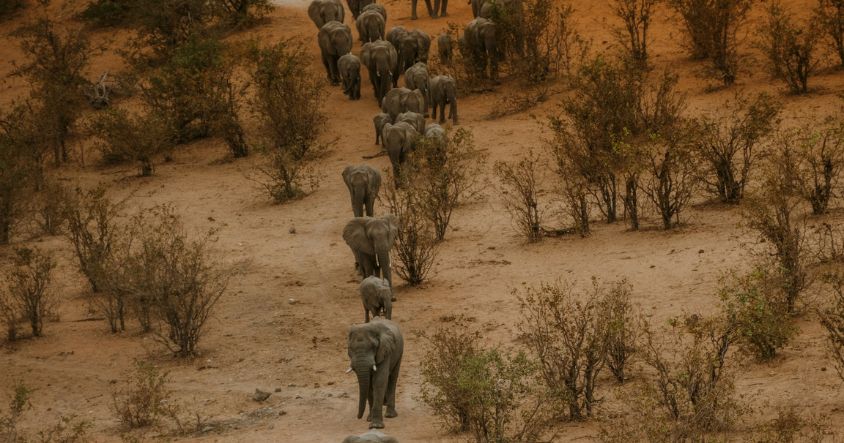
The dry season is widely regarded as the best time to visit Zimbabwe for wildlife viewing. With little rainfall, vegetation thins and animals are easier to spot as they gather at rivers, lakes and man-made waterholes.
Cooler temperatures also make outdoor activities such as game drives, walking safaris and hiking far more comfortable.
By contrast, the wet season brings heavy rains, particularly between December and February. While this can make some remote roads difficult to navigate, it also creates spectacular scenery.
National parks burst into life, birdlife flourishes, and many animals give birth during this period. The wet season is quieter and cheaper, appealing to travellers who prefer fewer crowds and greener landscapes.
Peak Season in Zimbabwe: July to October
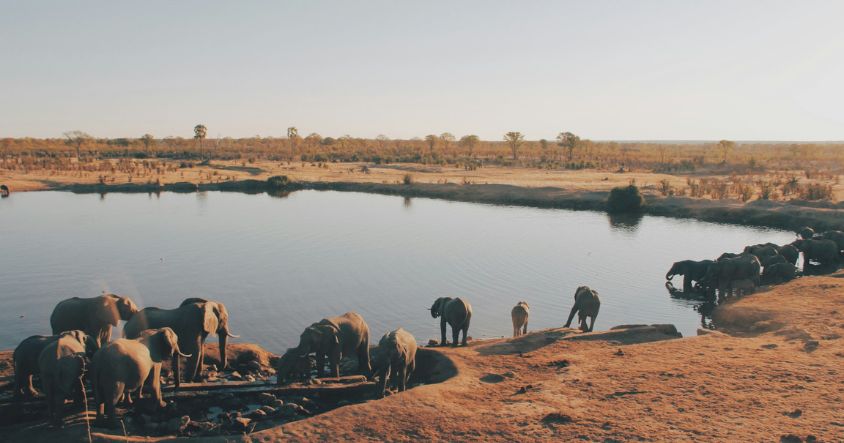
Zimbabwe’s peak travel season runs from July to October, during the heart of the dry months. This is when the country is at its most popular, particularly with international visitors on safari-focused trips.
Days are dry and sunny, with cool mornings and evenings. Wildlife viewing is at its best, especially in places such as Hwange National Park and Mana Pools National Park.
Large herds of elephants, buffalo and plains game gather around water sources, while predators are never far behind.
This period also coincides with one of the most talked-about wildlife events in the country, as vast numbers of animals move through Hwange in search of food and water.
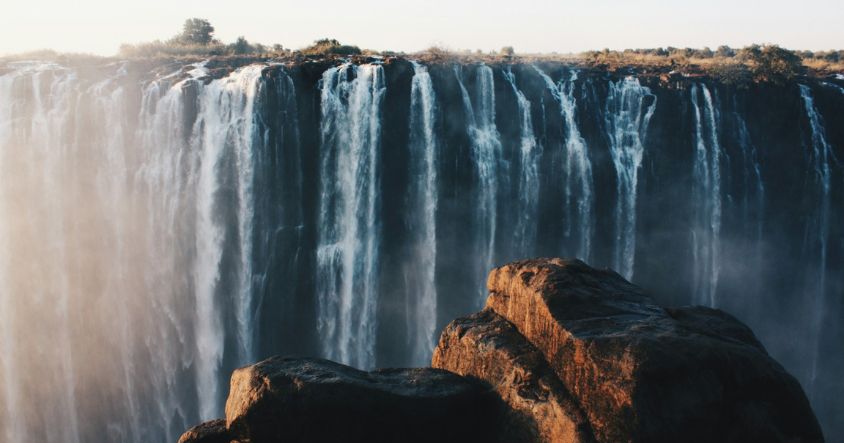
Victoria Falls remains a highlight during peak season. Although water levels are lower than during the rainy months, visibility is excellent, allowing visitors to see the full width and depth of the falls. This is also the best time for adventure activities such as white-water rafting, bungee jumping and scenic helicopter flights.
The downside of peak season is demand. Accommodation prices are at their highest, and popular lodges often sell out months in advance.
August and September are particularly busy, and last-minute planning can lead to disappointment. For many travellers, however, the quality of the experience more than justifies the cost.
Shoulder Season in Zimbabwe: April, May and November
The shoulder season is often overlooked, yet it is one of the most rewarding times to visit Zimbabwe. Falling between the peak and low seasons, it includes the months of April, May and November.
In April and May, the rains have recently ended. The landscape is still green and fresh, rivers continue to flow strongly, and temperatures begin to cool.
Wildlife viewing remains good, and the softer light makes this a favourite period for photographers.
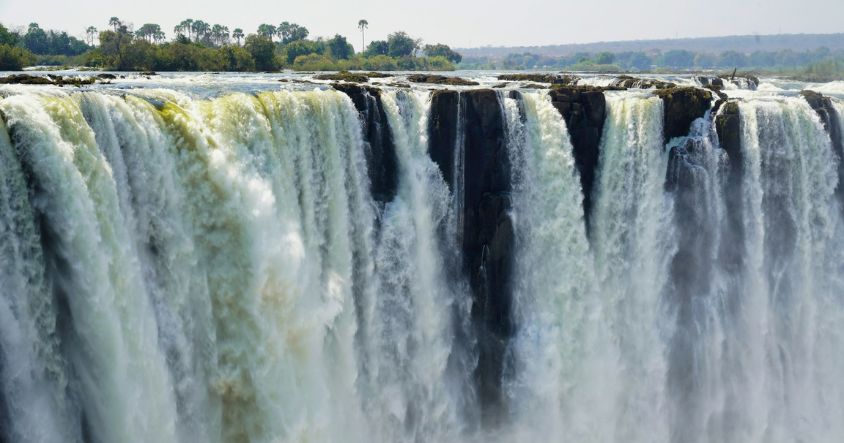
Victoria Falls is particularly impressive at this time, with high water levels and far fewer visitors than in peak season.
November marks the build-up to the rains. Temperatures rise, and short showers may begin to fall, but the country is still largely accessible.
Wildlife viewing can be excellent, especially as animals gather around the last remaining water sources before the rains fully arrive.
One of the major advantages of travelling during the shoulder season is value. Prices for accommodation and activities are generally lower than in peak season, and popular destinations feel less crowded.
For travellers seeking a balance between good weather, strong wildlife experiences and affordability, the shoulder season is an excellent choice.
Low Season in Zimbabwe: November to April
The low season in Zimbabwe coincides with the rainy months, from November through to April. This is the quietest time for tourism, but it is far from without appeal.
Heavy rains, particularly in January and February, can make some rural roads difficult to use, and several safari lodges close temporarily. Walking safaris and certain activities may be limited.
However, prices can be significantly lower, sometimes by as much as half compared with peak season, making this an attractive option for budget-conscious travellers.
The wet season is a paradise for birdwatchers, as migratory species arrive in large numbers. It is also the time when many animals give birth, offering rare opportunities to see newborn wildlife and increased predator activity.
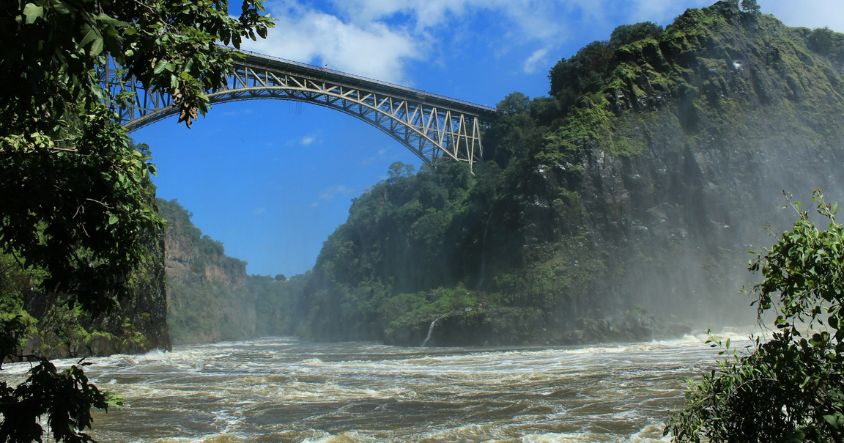
Landscapes are at their most dramatic, and Victoria Falls, while sometimes shrouded in spray, is at its most powerful.
The Zambezi River also comes into its own during this period, with high water levels creating some of the most thrilling white-water rafting conditions of the year.
When Is the Best Time to Visit Zimbabwe?
There is no single answer to the question of the best time to visit Zimbabwe.
For classic safaris and dry, comfortable weather, the period between May and October remains the most popular.
For travellers seeking fewer crowds, better prices and vivid scenery, the shoulder season offers outstanding value.
Meanwhile, the low season appeals to birding enthusiasts, photographers and those who enjoy seeing the landscape at its greenest.
What is certain is that Zimbabwe is a year-round destination.
Its changing seasons do not diminish its appeal; they simply reveal different sides of the same remarkable country.
Whether you come for wildlife, culture, adventure or quiet reflection, Zimbabwe’s travel seasons offer unforgettable experiences for those willing to explore them.