
Zimbabwe Engages Diaspora to Boost Tourism Investment
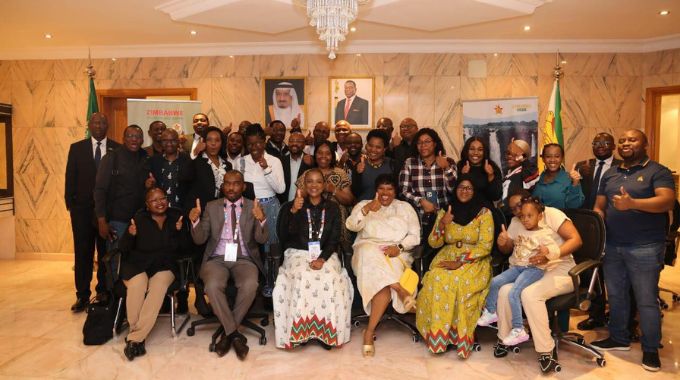
Zimbabwe’s growing ambitions to position itself as a leading tourism and investment destination took centre stage this week as Minister of Tourism and Hospitality Industry Hon Barbara Rwodzi held a high-profile engagement with the Zimbabwean diaspora community in Riyadh, Saudi Arabia.
The meeting, held on the sidelines of the UN Tourism General Assembly activities in the Kingdom, formed part of the Ministry’s broader Tourism Cluster-Based Approach — a strategy that identifies the diaspora as one of the country’s most influential market segments.
Speaking to attendees, Hon Rwodzi highlighted what she described as Zimbabwe’s “immense and still-untapped tourism potential,” pointing to the country’s wealth of natural attractions such as Victoria Falls, Hwange National Park and the Eastern Highlands, alongside its rich cultural heritage and diverse investment opportunities.
She stressed that Zimbabwe’s foreign policy remains anchored on President Emmerson Mnangagwa’s Vision 2030 and the guiding mantra, “Zimbabwe is Open for Business.”
The message, she said, is not only aimed at global investors but also at millions of Zimbabweans living abroad whose contribution is increasingly viewed as vital to tourism growth and national development.
Diaspora Investment on the Rise

During the discussion, the Minister commended the growing number of diaspora investors who are channelling their resources back home.
Among the projects singled out was Waha Oasis in Norton, a modern tourism facility built by a Zimbabwean based in the Middle East. The development features two contemporary event venues and has already been touted as a model of confidence in the country’s tourism sector.
Such projects, officials say, reflect a broader trend in which diaspora capital is reshaping segments of Zimbabwe’s leisure, hospitality and events industries. The government hopes that more investors in places such as South Africa, the UK, Australia, the United States and the Gulf region will follow suit.
Skills and Knowledge at the Centre of Engagement
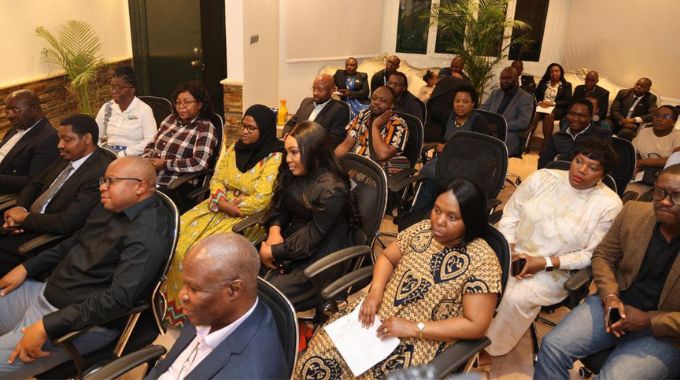
Beyond financial investment, Hon Rwodzi underscored the importance of Zimbabweans abroad with skills in engineering, architecture, education, veterinary sciences, and other professional fields.
She said these skills represent “valuable opportunities for collaboration” as Zimbabwe seeks to uplift service delivery standards and accelerate tourism-related infrastructure development.
Analysts note that tapping into the diaspora’s expertise has become a key strategy for many developing countries, particularly in sectors requiring a blend of technical knowledge, innovation and global market understanding.
Tourism as a Driver of Vision 2030
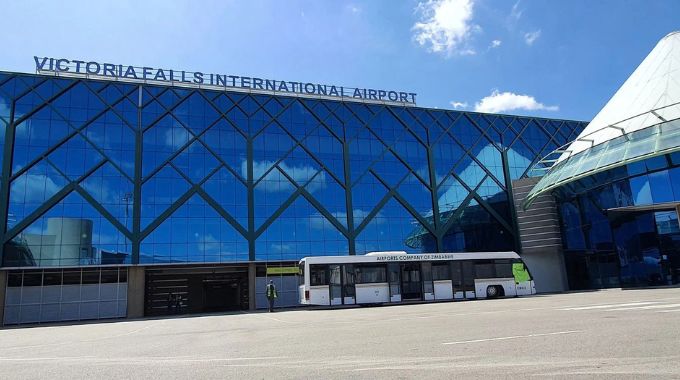
Zimbabwe’s tourism sector — historically one of the country’s strongest economic pillars — is expected to play a central role in the realisation of Vision 2030, an ambitious national plan to achieve upper middle-income status.
Industry data shows that Zimbabwe has been recording steady growth in international tourist arrivals, buoyed by renewed destination marketing efforts, eased travel restrictions and increased global visibility through tourism events and bilateral engagements.
By strengthening ties with the diaspora, officials hope to widen the country’s tourism footprint, diversify investment inflows and attract more community-driven development initiatives.
A Welcoming Call to Zimbabweans Abroad
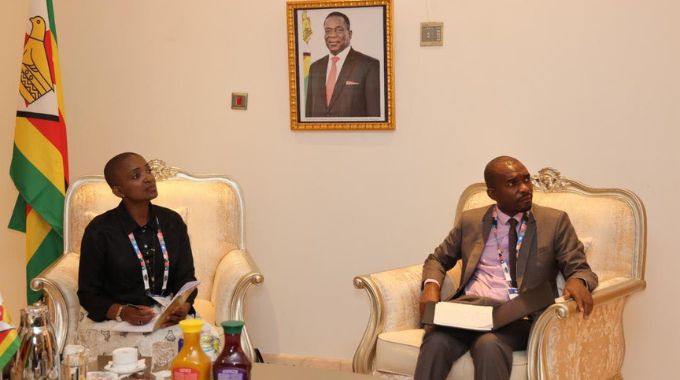
Hon Rwodzi reiterated that Zimbabwe’s borders are open not only to global visitors but also to its own nationals who wish to contribute to the country’s future.
“The nation remains open to global partnerships and warmly welcomes its citizens in the diaspora,” she said.
The Ministry of Tourism says it will continue rolling out targeted programmes, consultations and investment platforms to facilitate deeper engagement with Zimbabweans abroad, as the country seeks to position tourism as a vehicle for sustainable development.
With its blend of natural wonders, cultural depth and new investment opportunities, Zimbabwe is banking on its diaspora — one of its most influential global communities — to help unlock the next chapter of its tourism growth story.