
Zimbabwe Embraces AI to Drive Tourism Growth and Innovation
Zimbabwe has reinforced its commitment to transforming its tourism sector through technology and innovation, placing Artificial Intelligence (AI) at the heart of its national development strategy.
Speaking during the High-Level Policy Debate on “Transforming Tourism Through Artificial Intelligence” at the 26th Session of the United Nations Tourism General Assembly in Riyadh, Saudi Arabia, the country showcased how digital tools are reshaping its tourism landscape and aligning with President Emmerson Mnangagwa’s Vision 2030.
The government’s Vision 2030 aims to make Zimbabwe a “Prosperous and Empowered Upper Middle-Income Economy” driven by knowledge, innovation, and sustainability.
Within this framework, the Ministry of Tourism and Hospitality Industry has been spearheading initiatives to harness AI for marketing, visitor management, and data-driven decision-making.
Officials said that Zimbabwe is actively integrating AI across multiple dimensions of its tourism value chain in both the public and private sectors.
Digital platforms powered by AI are being developed to boost the country’s visibility as a travel destination.
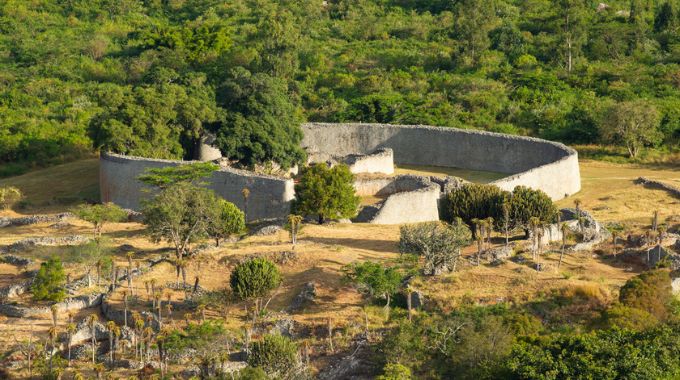
Among the innovations are immersive virtual tours of world-famous attractions such as the Victoria Falls and the Great Zimbabwe Monuments, which allow potential visitors to experience the country’s natural and cultural heritage from anywhere in the world.
The use of AI is also being explored in enhancing tourism research, improving visitor safety, and providing real-time data for sustainable destination management.
According to tourism experts, AI tools can help Zimbabwean operators better understand market trends, improve service delivery, and attract tech-savvy travellers seeking more personalised experiences.
The discussions in Riyadh underscored how emerging technologies like AI, big data, and machine learning are redefining tourism globally — from smart destination management to predictive analytics in travel behaviour. Zimbabwe’s participation in this debate signals its determination to remain part of the global conversation on tourism innovation.
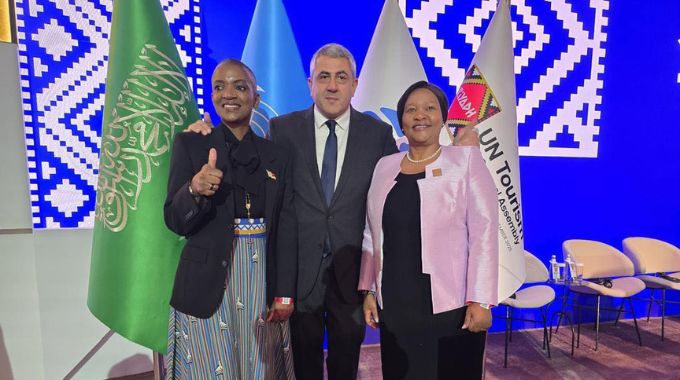
Adding to its growing influence on the world stage, Zimbabwe was elected to the United Nations Tourism Executive Council for the period 2025 to 2029, a major milestone that cements its role in global tourism governance.
Representing the African region, the country will now contribute to shaping the strategic direction of international tourism development, with a focus on sustainability, inclusivity, and digital transformation.
Tourism Minister Barbara Rwodzi described the election as a testament to Zimbabwe’s commitment to innovation and collaboration within the global tourism community.

“Our participation in the Executive Council gives Zimbabwe a stronger voice in promoting the use of technology to make tourism more sustainable and inclusive,” she said.
Zimbabwe also expressed interest in joining the UN Tourism Task Team on Tourism Statistics, an initiative that will help strengthen national tourism data systems.
This move aims to promote evidence-based planning and policy formulation, ensuring that tourism growth is measurable and aligned with national economic goals.
The Southern African nation has long recognised tourism as one of its key economic pillars.
The sector contributes significantly to employment and foreign currency earnings, with attractions such as Victoria Falls, Hwange National Park, Lake Kariba, and the Eastern Highlands drawing visitors from around the world.
By investing in AI-driven digital transformation, Zimbabwe aims to further diversify its tourism products and enhance competitiveness in the global market.
Industry observers believe that innovations such as smart travel platforms, digital marketing, and data analytics could help the country capture a larger share of the growing African tourism market, which the United Nations Tourism Organisation projects to surpass pre-pandemic levels by 2026.
As tourism destinations worldwide adapt to new technologies, Zimbabwe’s proactive stance — blending heritage, innovation, and sustainability — reflects a forward-looking vision for inclusive and intelligent tourism development.
This marks another step in Zimbabwe’s journey towards becoming a regional leader in smart tourism and digital transformation.