
Travelling on a Budget in Zimbabwe: Tips for Affordable Adventures
Zimbabwe is often celebrated for its magnificent Victoria Falls, vast wildlife reserves and rich cultural heritage.
Some of the country’s tourist attractions have been known to be expensive, but you don’t really need deep pockets to discover its wonders.
In this article, we give you some tips on how you can experience Zimbabwe on a budget.
1. Getting There: how to save on airfares and entry costs
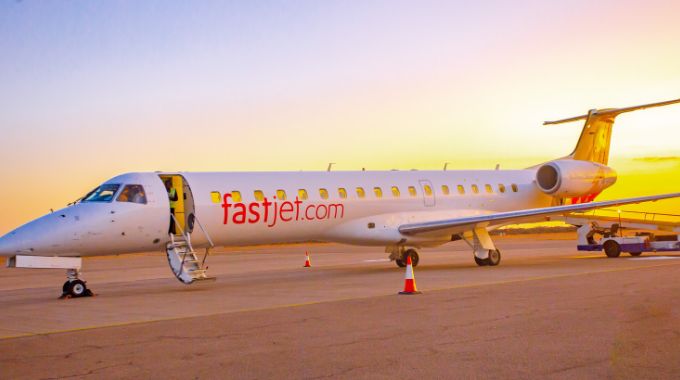
Flying directly into Harare, Victoria Falls or Bulawayo is convenient, yet not always cheapest.
Budget travellers often save by flying into Johannesburg or Lusaka and continuing by regional bus or low‑cost carrier like Fastjet or FlySafair.
Booking about 2–3 months ahead, and choosing midweek departures, can significantly reduce fares. A round‑trip from London to Harare via Addis Ababa, for instance, has been found under US $800 by clever fare‑hunting.
Most visitors need a visa; unless eligible for visa‑exemption or visa‑on‑arrival from certain countries, apply online for an e‑Visa which is usually valid for three months and possible to extend once. Zimbabwe also participates in a KAZA universal visa with Zambia, easing cross‑border travel for many visitors.
2. Timing your trip: seasons, crowds and discounts
Seasonal timing deeply impacts cost. Zimbabwe’s green season (November–April) offers lush scenery, better accommodation deals (often 30–40 % lower), and quieter reserves. However, heavy rains may restrict road access and some attractions.
The shoulder seasons (April–June, November) offer the best balance: pleasant weather, good wildlife viewing, discounted prices, and fewer visitors.
Peak season (July–October) draws crowds and higher room rates, so unless you book far in advance, costs quickly spike.
3. Accommodation: stretch your budget without sacrificing comfort
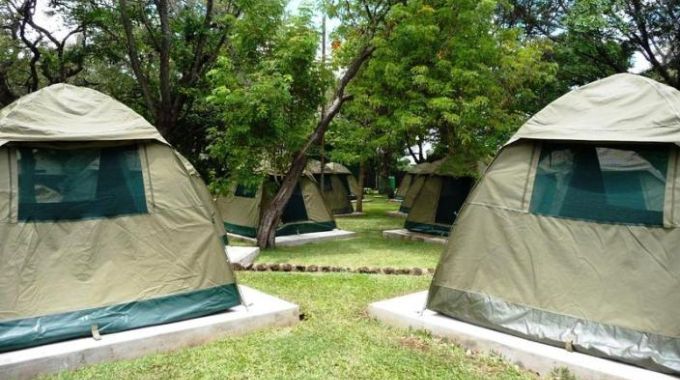
Zimbabwe offers a wide range of budget stays:
-
Hostels and backpacker lodges: dorm beds at Victoria Falls Backpackers or Burke’s Paradise in Bulawayo average US $12–20 per night; private rooms often cost $30–45.
-
Guesthouses and family-run lodges: in Harare or Mutare for $25–50 per night with breakfast, and often deep discounts for multi‑night stays (ask directly rather than via booking site).
-
Camping or Zimbabwe Parks chalets: from $5–15 per night at designated campsites or rest camps; ideal in Hwange, Matobo or Eastern Highlands.
Key tip: reach out directly (WhatsApp/email) or local Facebook groups like “Backpacking Zimbabwe” for cheaper rates and insider tips.
4. Transport within Zimbabwe: routes and wise choices
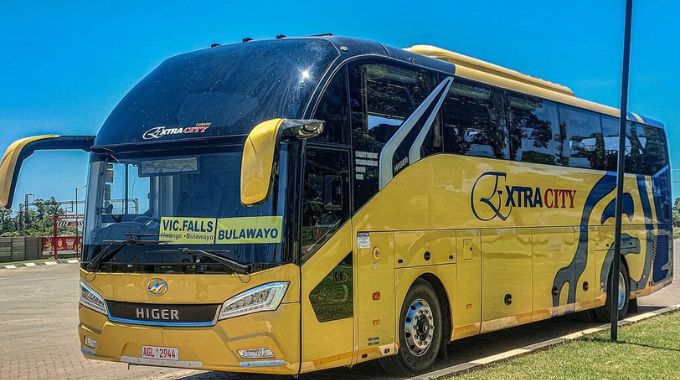
Zimbabwe’s public transport options include long‑distance coach services, kombis, shared minibuses, local taxis, and ride‑hailing apps like Bolt or InDrive in cities like Harare and Victoria Falls.
While buses are cheapest, they can be overcrowded, slow and at times unsafe. Many travellers prefer to hire a budget cars, often $30 per day, or arrange shared rides from reliable drivers found via hostels or local referrals.
For scenic and relaxed travel, consider the Kariba Ferry from Kariba town to Mlibizi, a roughly 22‑hour voyage with meals included and lake views. It’s slower than road transit, but can cost less and offer memorable charm.
5. Eat local, spend less
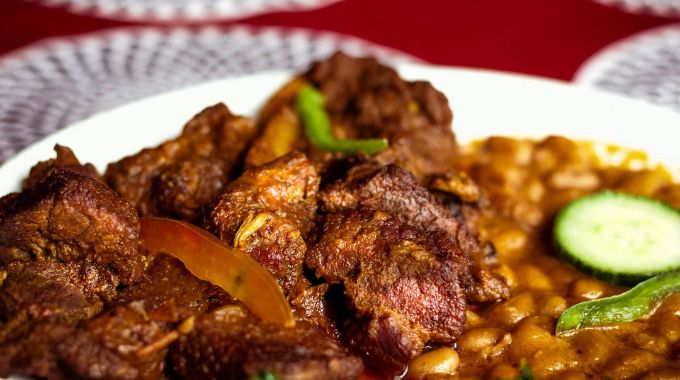
Dining out in Zimbabwe need not be expensive. Seek out simple local eateries, street food stalls and market vendors serving sadza, nyama (meat), biltong and local vegetables. These offer great value, often many times cheaper than tourist‑oriented restaurants.
In cities, Chinese or Indian restaurants are commonly recommended by locals as affordable and generous—all without compromising flavor.
Always carry some small‑denomination USD cash as it’s widely accepted. Digital wallets like EcoCash or ZiG can be useful but may be unreliable in remote areas.
6. Choose low‑cost (or free) attractions
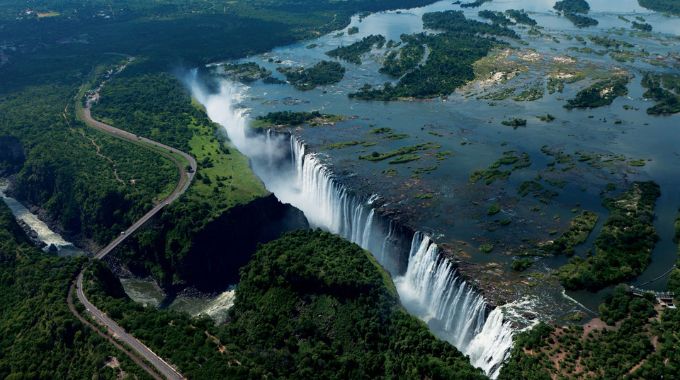
Zimbabwe’s natural beauty shines at little cost. The entrance fee to Victoria Falls National Park is modest ($20‑$25), and if you skip expensive extras like helicopter rides or bungee jumping, you’ll still experience the wonder of the falls up close.
Free or low‑fee experiences include:
-
Walking and biking tours in Harare and Bulawayo through local markets, heritage neighbourhoods and jacaranda‑lined avenues.
-
Day trips from Bulawayo to Matobo National Park, to enjoy hiking, rock art, rhino sightings and campsites from around $10‑20 per night.
-
Hiking in the Eastern Highlands (Nyanga, Vumba, Chimanimani) where there are scenic trails, waterfalls and affordable guesthouses or campsites.
-
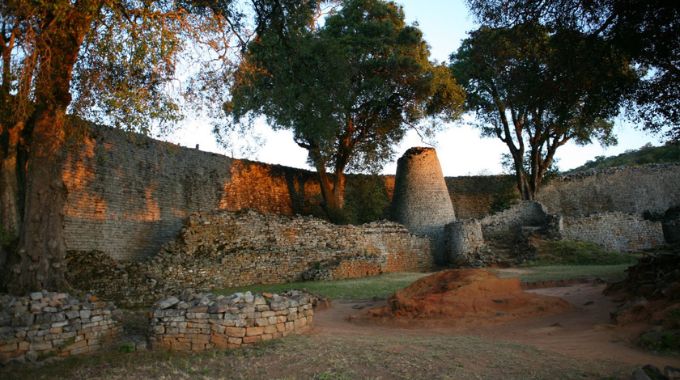
The Great Zimbabwe Ruins near Masvingo: entrance and local museum fees are low, and guesthouses nearby remain budget‑friendly.
Look out for local festivals or cultural events, often free or cheap to attend, offering immersion in music, dance and community traditions.
7. Safeguarding your budget and safety
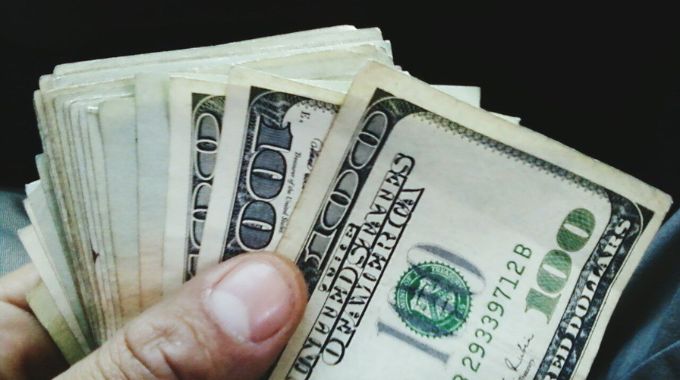
Despite economic challenges, Zimbabwe’s currency situation is stabilising. Most transactions for tourists are in US dollars, which continues to be the most reliable and widely accepted.
The newer local currency (ZiG) and mobile money (EcoCash) can be used, but cash remains king outside larger towns.
While pickpocketing and petty theft can occur in markets or crowded areas, violent crime is rare.
Locals are generally welcoming, and English is widely spoken.
Still, avoid flashing valuables, don’t walk alone at night, and use licensed drivers for late journeys.
Police stops are normal but won’t be a problem as long as all your documentation is in order.
Stay polite, carry minimal cash on hand, and keep driver details or local references ready.
8. Why travelling on a budget in Zimbabwe still rewards deeply
Despite economic and infrastructure challenges, Zimbabwe remains one of southern Africa’s most rewarding destinations for those willing to travel simply and smartly.
The country’s landscapes, from the thundering Victoria Falls and sweeping Hwange plains to cool mountain air in the Eastern Highlands, offer awe without exorbitant price tags.
Interactions with Zimbabweans, exploring heritage sites such as Great Zimbabwe ruins, sampling local cuisine and hiking remote hills all cost little but reward deeply.
Frequently asked questions (FAQ)
Q: Is Zimbabwe safe for solo budget travellers?
A: Yes – while pickpocketing may happen in crowded spots, the country is generally peaceful. Travellers report friendly locals, English widely spoken, and violence very rare. Exercise typical precautions, especially at night or in crowded markets.
Q: What currency should I bring?
A: Bring small‑denomination US dollars for best acceptance. You may use ZiG (local currency) or mobile wallets like EcoCash in cities—but stick mostly to cash outside Harare or Victoria Falls.
Q: Are ATMs widely available?
A: ATMs exist in major areas but may be unreliable in rural towns. Banks such as CBZ, Stanbic, FBC or CABS typically work. It’s recommended to withdraw cash at arrival areas and carry reserves.
Q: When is the cheapest time to visit?
A: Shoulder seasons—April to June and November—offer low prices, mild weather and full access to attractions. The green season can bring great value but includes higher rainfall and occasional closures.
Q: Can I do wildlife safaris on a budget?
A: Yes. Affordable park chalets or campsites in Hwange or Matobo provide controlled‑price accommodation. Join group game drives or self‑drives with guides. Visiting outside peak season can reduce guide and vehicle costs.
Q: Are cheap activities available at Victoria Falls?
A: You don’t need to splurge. The entrance to Victoria Falls National Park is modest and walking the trail offers stunning views free from thrill‑tour prices. You may pick one premium activity for splurge, but skip the rest if budget‑conscious.
