
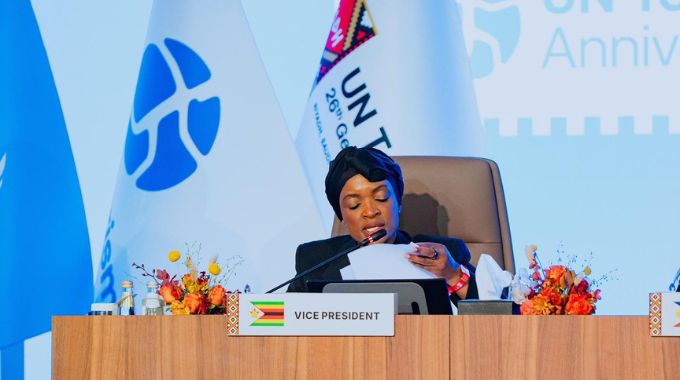
Zimbabwe chairs pivotal UN tourism session
In a significant step for the region’s tourism diplomacy, Zimbabwe has assumed a leading role in shaping global tourism governance.
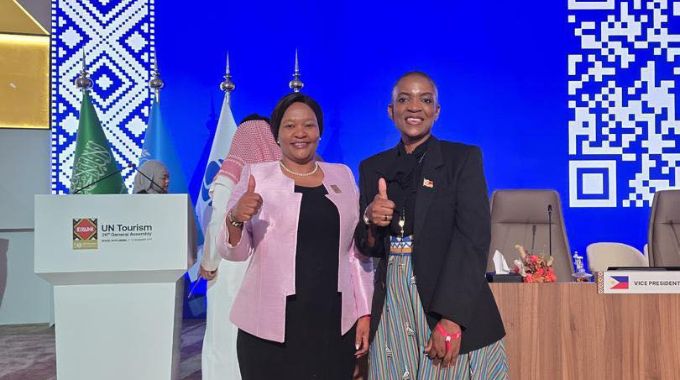
At the 26th Session of the United Nations Tourism General Assembly in Riyadh, Saudi Arabia, Zimbabwe was elected one of the Vice-Presidents of the Assembly.
The country’s Minister of Tourism and Hospitality Industry, Barbara Rwodzi, successfully chaired the Assembly’s Fourth Plenary Session. This high-level meeting centred on advancing cooperation between Africa and the Americas through sustainable tourism.
A landmark session
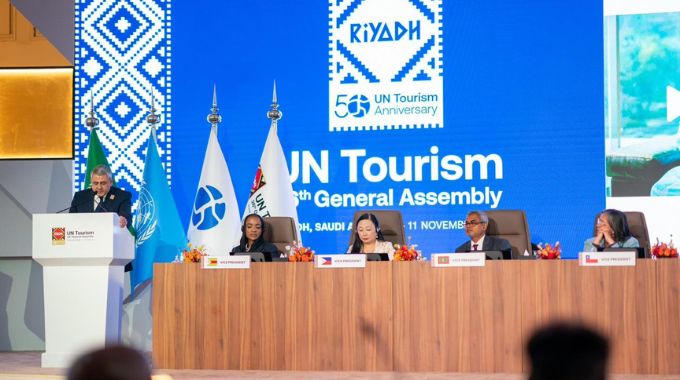
The plenary session, chaired by Minister Rwodzi, focused on a proposal by the Dominican Republic for the institutionalisation of the UN Tourism Africa and Americas Summit (CAF–CAM) and the creation of a dedicated mechanism for South–South cooperation.
The proposal received overwhelming support from member states across both Africa and the Americas, signalling a shared commitment to deepen bi-regional collaboration and align tourism growth with sustainable development goals.
Once institutionalised, the CAF–CAM Summit will become a key platform for high-level political dialogue, technical collaboration, and systematic follow-up on regional and intercontinental tourism commitments.
The proposal also includes plans for a rotating presidency and a formalised governance structure to ensure regular engagement and accountability among participating nations.
Strengthening cooperation between continents
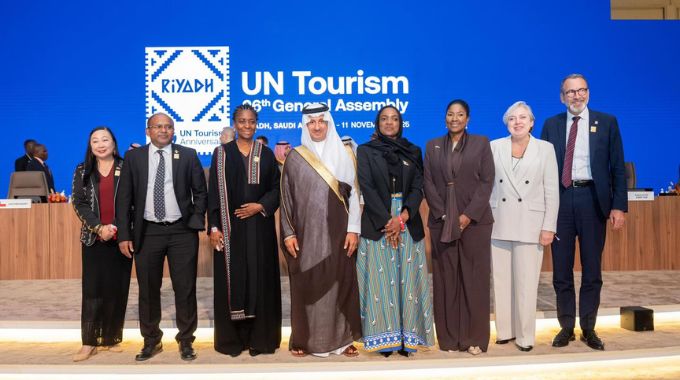
The institutionalisation of the CAF–CAM Summit is expected to catalyse strengthening cooperation between Africa and the Americas by promoting digital transformation, developing sustainable tourism products, and enhancing inclusive economic growth.
The platform will support social inclusion, human capital development, and the preservation of cultural heritage and creative industries linked to tourism.
Central to the initiative is the creation of a mechanism for South–South cooperation — a framework that allows developing countries to share knowledge, exchange technical expertise, and mobilise resources to address shared challenges in the tourism sector.
Through this mechanism, countries from Africa and the Americas will be able to collaborate on investment opportunities, tourism innovation, and regional connectivity, positioning the Global South as a major force in international tourism.
Zimbabwe’s leadership role
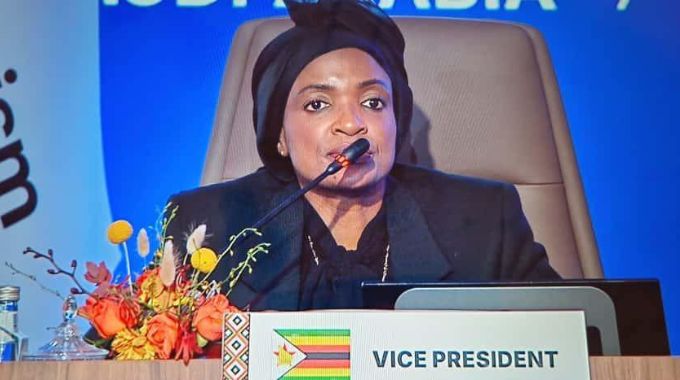
Minister Rwodzi commended member states for their collective vision and unity of purpose, emphasising Zimbabwe’s commitment to advancing Africa–Americas collaboration under the UN Tourism framework.
She noted that the partnership would contribute to regional integration, knowledge exchange, and sustainable tourism development across the Global South.
Zimbabwe’s election as Vice-President of the General Assembly marks an important diplomatic achievement for the country.
It reflects the growing recognition of Zimbabwe’s contribution to global tourism and the nation’s determination to strengthen its role in international forums.
In recent years, Zimbabwe has sought to position itself as a gateway for sustainable tourism in Southern Africa — leveraging its rich natural heritage, diverse wildlife, and vibrant culture.
Chairing the session provided an opportunity for Zimbabwe to showcase its leadership in tourism governance and to advocate for inclusive development models that ensure communities benefit directly from tourism growth.
The move also aligns with the government’s ongoing efforts to promote the country as a premier destination through its “Visit Zimbabwe” campaign and investments in infrastructure and digital innovation.
A shared vision for the Global South
The institutionalisation of the CAF–CAM Summit carries profound implications for developing nations.
By creating a permanent platform for dialogue, it ensures that Africa and the Americas have a stronger collective voice in shaping the future of tourism policy.
The initiative aims to create synergies that drive sustainable development while encouraging responsible tourism practices that protect natural and cultural assets.
Beyond economic growth, the Summit also seeks to empower local communities by promoting inclusive tourism models. These models prioritise small and medium-sized enterprises, support cultural industries, and encourage youth participation in tourism entrepreneurship.
Such approaches are vital for ensuring that tourism contributes meaningfully to social development and poverty reduction.
Looking ahead
The next steps will involve formalising the governance structure of the CAF–CAM Summit, establishing working groups, and defining cooperation priorities between the two regions.
For Zimbabwe, the focus will be on aligning its domestic tourism strategies with regional frameworks, strengthening partnerships, and attracting sustainable investments that create jobs and stimulate innovation.
As the tourism sector continues to recover globally, Zimbabwe’s leadership role at the UN Tourism General Assembly positions the country as a credible voice for inclusive and sustainable development.
The successful chairing of the Fourth Plenary Session not only enhances Zimbabwe’s international profile but also reaffirms Africa’s growing influence in global tourism policymaking.