
Kariba Travel Guide: History, Significance & Things to Do
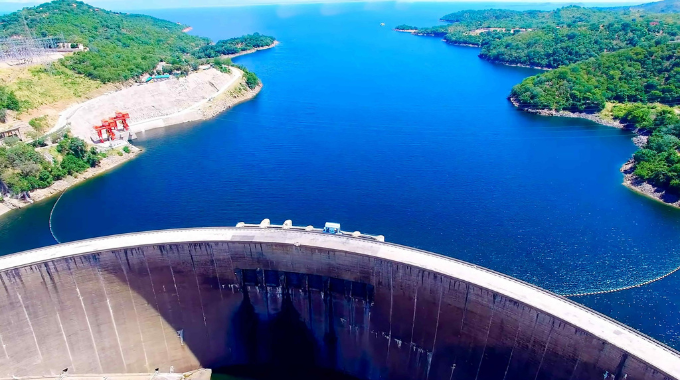
Along the northwestern border of Zimbabwe lies Kariba, a scenic town built on the shores of one of the largest man-made lakes in the world, Lake Kariba.
Renowned for its stunning sunsets, abundant wildlife, and tranquil atmosphere, the destination offers a rare blend of engineering marvel, cultural richness, and outdoor adventure.
Whether you’re an avid angler chasing the thrill of tiger fishing, a history buff drawn to the iconic Kariba Dam, or a traveller in search of serenity aboard a houseboat, this place delivers experiences as vast as the lake itself.
History of Kariba
Origins and Construction of Kariba Dam
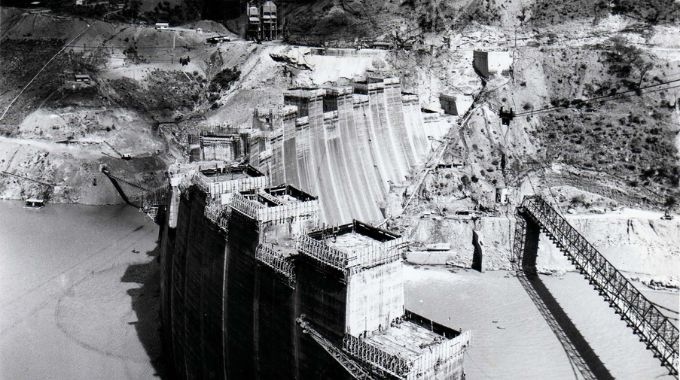
The story of Kariba begins in the mid-20th century, with one of the most ambitious engineering projects in Africa: the construction of the dam.
Built between 1955 and 1959 on the Zambezi River, the dam was a joint project between the then governments of Northern Rhodesia (now Zambia) and Southern Rhodesia (now Zimbabwe), aimed at generating hydroelectric power for the rapidly growing industries of the region.
Standing 128 metres tall and stretching over 579 metres in length, the dam created Lake Kariba, which spans over 220 kilometres in length and covers nearly 5,580 square kilometres.
At the time of its completion, it was the largest man-made lake by volume in the world.
Yet, the creation of this vast reservoir came at a cost. More than 57,000 members of the Tonga and other riverine communities were displaced from their ancestral lands, and thousands of animals were relocated during “Operation Noah,” a wildlife rescue mission led by conservationist Rupert Fothergill.
The Legend of Nyaminyami
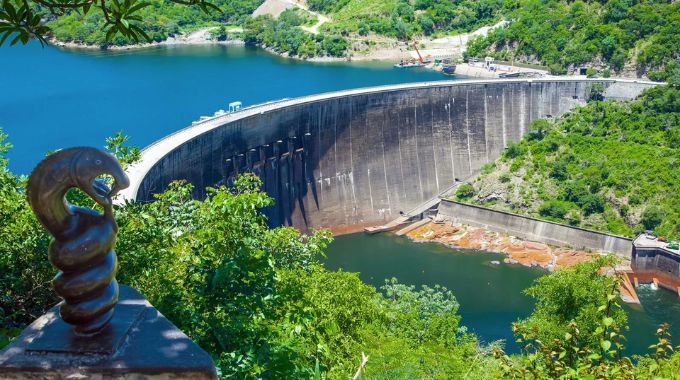
Intertwined with Kariba’s history is the legend of Nyaminyami, the river god of the Zambezi.
The local Tonga people believe Nyaminyami was angered by the dam’s construction, separating him from his wife downstream.
According to folklore, Nyaminyami caused floods that repeatedly damaged the dam in its early phases, stalling construction and causing loss of life.
To this day, Nyaminyami remains a powerful cultural symbol, his serpent-like form found in carvings and jewellery sold in the region, a reminder of the spiritual depth that accompanies Kariba’s history.
The Significance of Kariba
Economic Importance
Kariba’s significance extends well beyond its scenic beauty. The dam plays a vital role in generating hydroelectric power for both Zimbabwe and Zambia, supplying millions with electricity.
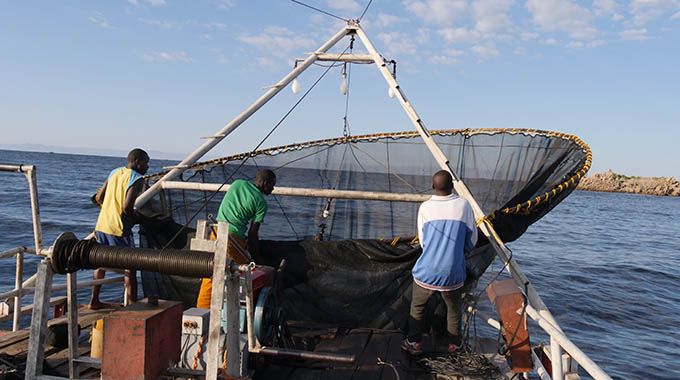
The region is also a hub for commercial fishing, with kapenta (a small sardine-like fish) and tiger fish forming the backbone of a thriving local industry.
Tourism, too, has become a pillar of the local economy. Thousands of visitors flock to the destination each year to explore its waters, wildlife, and resorts, supporting a growing hospitality sector that includes everything from family-run lodges to luxury houseboats.
Ecological and Environmental Impact
While the creation of Lake Kariba altered the Zambezi’s natural flow and submerged vast tracts of land, it also gave rise to new ecosystems.
Islands formed in the lake now serve as habitats for a variety of species, including elephants, buffalo, crocodiles, and hippos.
Birdlife flourishes along the shoreline, attracting keen birdwatchers from across the globe.
Top Things to Do in Kariba
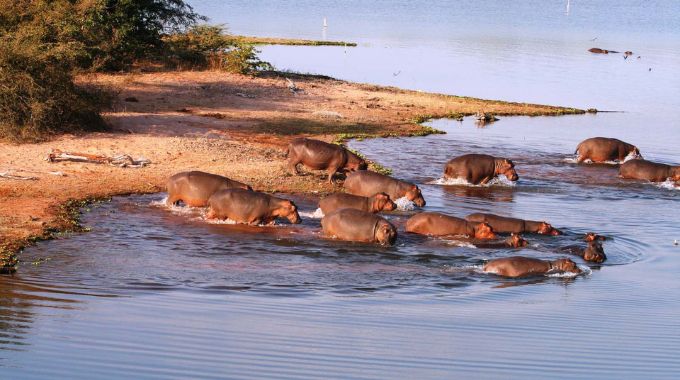
Game Viewing and Safari Experiences
Wildlife enthusiasts will find plenty to marvel at in and around Kariba.
The nearby Matusadona National Park, which borders the southern shore of the lake, offers exceptional game-viewing opportunities.
Once a stronghold for black rhino, the park is home to elephants, lions, leopards, and over 240 bird species.
Boat-based safaris provide a unique vantage point, allowing visitors to glide silently along the lake’s edge, observing animals as they drink and graze without the dust and noise of a 4×4.
Sunset Cruises on Lake Kariba
There are few experiences more serene than a sunset cruise on Lake Kariba.
As the sun dips below the horizon, painting the sky in shades of crimson and gold, the lake becomes a canvas of reflections. Whether aboard a luxury catamaran or a traditional wooden vessel, these cruises offer unparalleled views and a tranquil ambiance.
Many operators include snacks and drinks on board, making for a relaxing evening out after a day of exploration.
Fishing Adventures
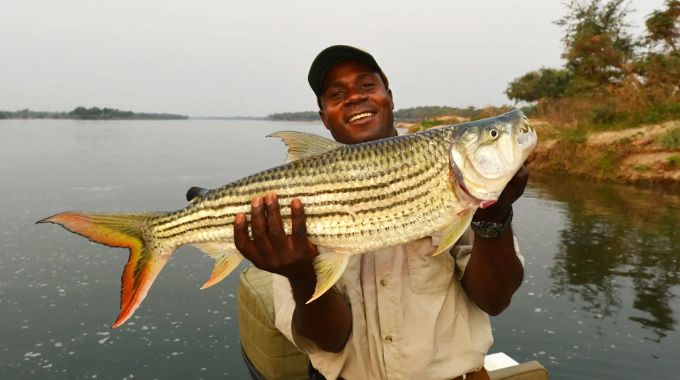
Kariba is a premier destination for sport fishing, particularly for the elusive and powerful tiger fish.
With their razor-sharp teeth and aggressive fight, tiger fish present a thrilling challenge for anglers. Each October, the destination hosts the annual Tiger Fishing Tournament, drawing competitors from around the world.
Kapenta fishing, often done at night using lights to attract the fish, offers a more traditional and communal experience. Visitors can accompany local fishermen for a glimpse into the region’s age-old fishing practices.
Visit the Kariba Dam Wall
No trip here is complete without a visit to the iconic Kariba Dam wall.
Guided tours provide insight into the structure’s engineering and its crucial role in southern Africa’s energy grid.
The dam also offers striking views of the Zambezi Gorge and is a favourite spot for photography.
Although recent years have seen debates over the dam’s structural integrity, major rehabilitation works are underway to ensure its continued safety and functionality.
Cultural and Heritage Tours
Cultural tourism is gaining traction, with opportunities to visit local Tonga communities, learn about traditional crafts, and engage in storytelling sessions that bring the Nyaminyami legend to life.
Markets selling handmade carvings, jewellery, and fabrics are scattered throughout the town and lakeside villages.
Heights and Viewpoints
For panoramic views of the lake, a visit to Kariba Heights is a must. The area, located above the town, features several lookout points, including the Roman Catholic Chapel of Santa Barbara, built in honour of workers who died during dam construction.
On clear days, visitors can see all the way to Zambia across the glimmering water.
Spa and Lodge Relaxation
Those seeking peace and comfort will find plenty of upscale accommodation in Kariba.
Lodges such as Caribbea Bay Resort and Bumi Hills Safari Lodge offer luxury amenities, infinity pools, gourmet dining, and wellness spas.
For a more immersive water-based experience, houseboats like Sovereign or Chessa provide multi-day cruises with full-board services and on-board chefs.
Where to Stay in Kariba
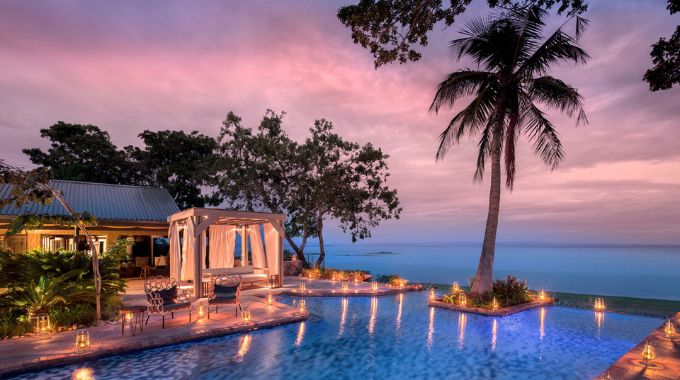
Kariba caters to a range of travellers, from backpackers to honeymooners. Notable accommodation options include:
Caribbea Bay Resort – A Mediterranean-style resort perfect for families, with lake views and children’s activities.
Bumi Hills Safari Lodge – Offers an all-inclusive safari experience with wildlife encounters and high-end hospitality.
Hornbill Lodge – A boutique eco-lodge with beautiful chalets and warm Zimbabwean hospitality.
Houseboats – Ideal for groups or couples looking for a floating retreat. Popular choices include Peregrine, Sovereign, and Osprey.
For budget-conscious visitors, self-catering lodges and campsites around Nyamhunga offer affordable yet scenic options.
How to Get to Kariba
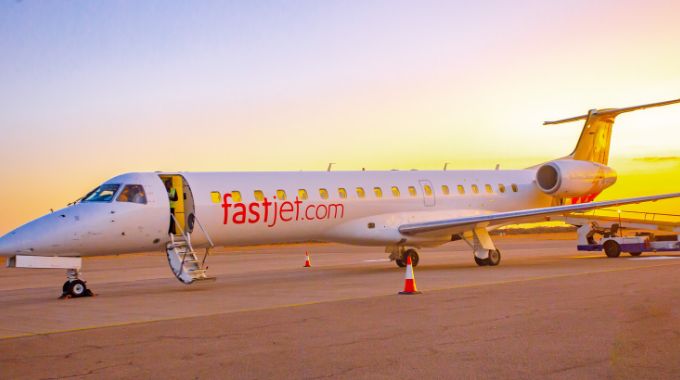
The destination is accessible by road and air. The 370km drive from Harare takes approximately five to six hours, passing through Makuti and scenic escarpments.
Buses and private transfers are available, though many opt to hire a 4×4 for greater flexibility.
For a quicker journey, chartered flights from Harare or Victoria Falls land at the Kariba Airport, which is currently undergoing upgrades to accommodate increased tourism traffic.
The best time to visit is between May and October, when the weather is dry, wildlife is more visible, and fishing is at its peak.
Travel Tips for Visitors
Pack for the climate: Lightweight clothing, sunblock, and a hat are essential, as is insect repellent for evening boat trips.
Stay hydrated: The heat can be intense, especially during the dry season.
Respect local customs: Ask for permission before photographing locals, and support community-run enterprises.
Be safety-conscious: Avoid swimming in the lake due to crocodiles and hippos. Always wear life jackets on boats.
Kariba is more than just a reservoir, it’s a place where nature, culture, and engineering triumph intersect.
With its rich history, spiritual mythology, diverse wildlife, and idyllic scenery, the destination offers travellers a chance to unplug, explore, and connect with one of southern Africa’s most enchanting destinations.
Whether you’re cruising into the sunset, casting a line into deep waters, or listening to tales of Nyaminyami by firelight, Kariba welcomes you to its shores with open arms and endless horizons.