

Zimbabwe has stepped up efforts to attract international tourists and investment, using one of the world’s biggest travel exhibitions to promote its attractions and position tourism as a key driver of economic growth.
The country joined thousands of tourism businesses and industry leaders at the World Travel Market (WTM) in London, which ended on Thursday, with a delegation led by Tourism and Hospitality Industry Minister Barbara Rwodzi.
From its wildlife and natural wonders to its cultural heritage and cuisine, Zimbabwe put forward a broad picture of what it has to offer international travellers, while seeking stronger links with tour operators, investors and travel companies.
The country’s stand attracted considerable interest during the three-day exhibition, according to the Zimbabwe Tourism Authority (ZTA). The delegation also held business engagements with prospective investors, international media and travel trade partners in a bid to turn that interest into new opportunities for the sector.
But beyond attracting more visitors, Zimbabwe used the global tourism platform to make a wider case for the industry’s role in transforming the economy and improving people’s livelihoods.
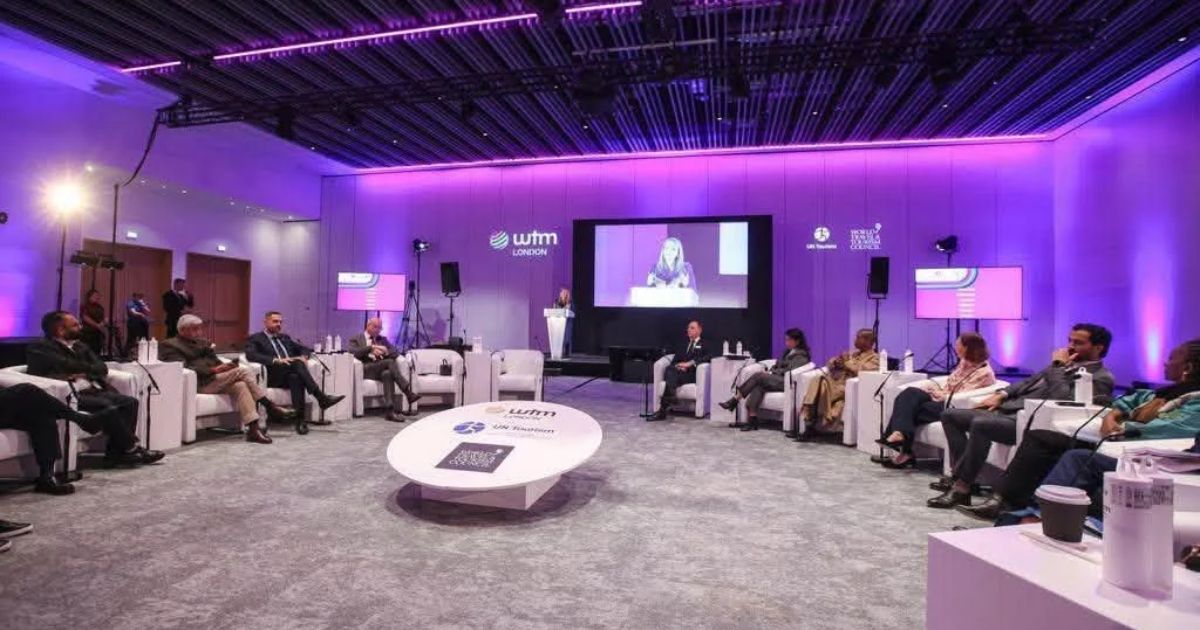
Addressing the WTM Ministers’ Summit, held in partnership with UN Tourism and the World Travel and Tourism Council, Rwodzi argued that tourism’s success should not be judged simply by the number of people visiting a destination.
The real measure, she maintained, was how much wealth the sector created and whether ordinary people, particularly those in communities that preserve Zimbabwe’s natural and cultural heritage, benefited from it.
Tourism contributes about 10% of Zimbabwe’s gross domestic product, according to the minister, making it an important source of economic activity at a time when other sectors face challenges.
She pointed to the impact of climate change on agriculture and the global mineral price crisis in 2024 as examples of the economic shocks that can affect traditional industries, arguing that tourism could provide greater resilience.
The minister also placed community participation at the centre of Zimbabwe’s tourism ambitions, highlighting gastronomy tourism, rural industrialisation and the farm-to-market model as ways of spreading the benefits beyond established tourist destinations.
Zimbabwe’s traditional cuisine featured prominently in the country’s tourism pitch, with Rwodzi recognising First Lady Auxillia Mnangagwa’s role in promoting local food and culinary heritage. The country hosted the inaugural UN Tourism continental gastronomy conference.
Improved air connectivity was another part of the strategy, with the direct Harare-London service operated by Air Zimbabwe seen as an opportunity to make travel between the two countries easier while introducing more international visitors to Zimbabwean cuisine and culture.
The minister’s address at the summit also focused on the growing threat climate change poses to tourism. Drought and water shortages are putting pressure on wildlife, biodiversity and tourism infrastructure, particularly in areas where the industry depends heavily on natural resources.

She called for stronger international cooperation and sustainable water management, pointing to the government’s dam construction programme as part of efforts to improve water security for wildlife and tourism-dependent communities.
Zimbabwe also reaffirmed its commitment to climate-resilient tourism, following the launch of the official logo for the 2027 International Year of Sustainable and Resilient Tourism at the 23rd UN Tourism meeting in Victoria Falls in April.
The London exhibition provided an opportunity to advance these ambitions while strengthening Zimbabwe’s relationships with international tourism markets.
The ZTA’s participation forms part of a broader strategy to increase the country’s visibility, expand access to overseas markets and attract investment into its tourism industry.
For Zimbabwe, the challenge now is to convert the interest generated at international platforms such as WTM into more visitors, investment and economic opportunities for the communities whose heritage and natural resources make the destination attractive in the first place.