
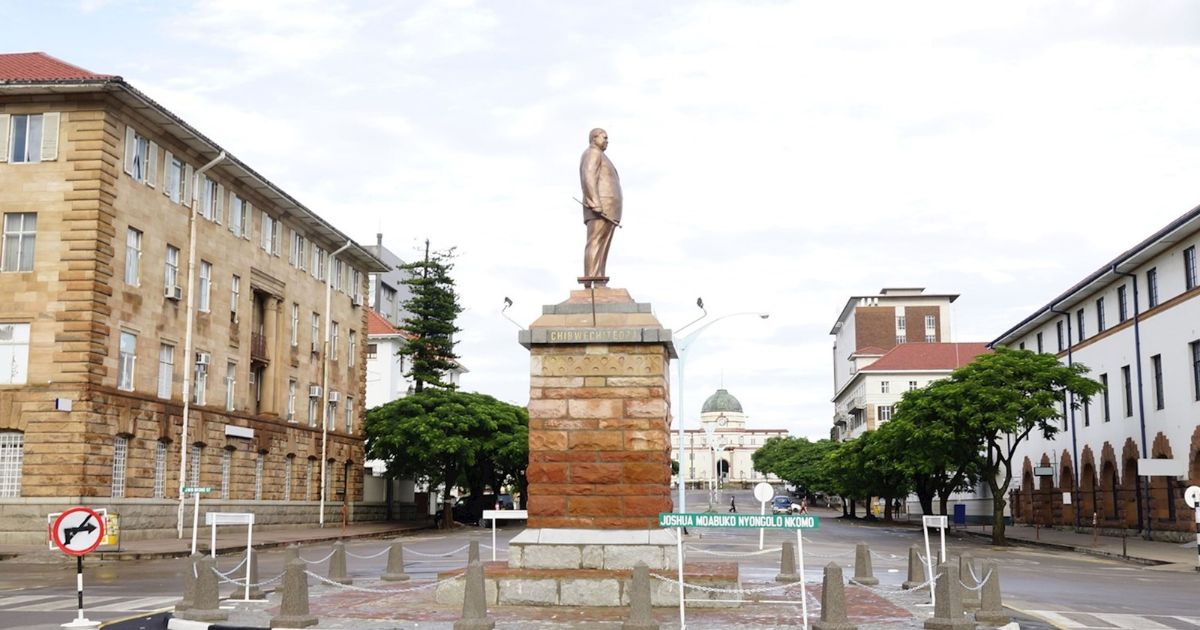
Bulawayo has a way of revealing itself gradually. Its wide, tree-lined avenues, historic buildings and unhurried pace offer a different experience from the bustle of Zimbabwe’s capital, Harare. Yet beyond its laid-back character lies a city with an extraordinary history, a thriving cultural identity and access to some of southern Africa’s most remarkable landscapes.
Known as the City of Kings, Bulawayo is deeply connected to the history of the Ndebele people, whose kingdom was established under King Mzilikazi in the 19th Century. It later became the seat of King Lobengula, whose royal settlement gave the modern city its name.
Today, visitors can explore that history through museums and archaeological sites, encounter Zimbabwean art at local galleries, discover traditional crafts and venture into landscapes defined by ancient granite formations and remarkable rock paintings.
The city is also a convenient gateway to the UNESCO-listed Matobo Hills and Khami Ruins, making it an appealing destination for travellers interested in history, nature and culture.
Whether you have a day or an entire weekend to explore, here are some of the best things to do in Bulawayo.
1. Explore the Natural History Museum of Zimbabwe
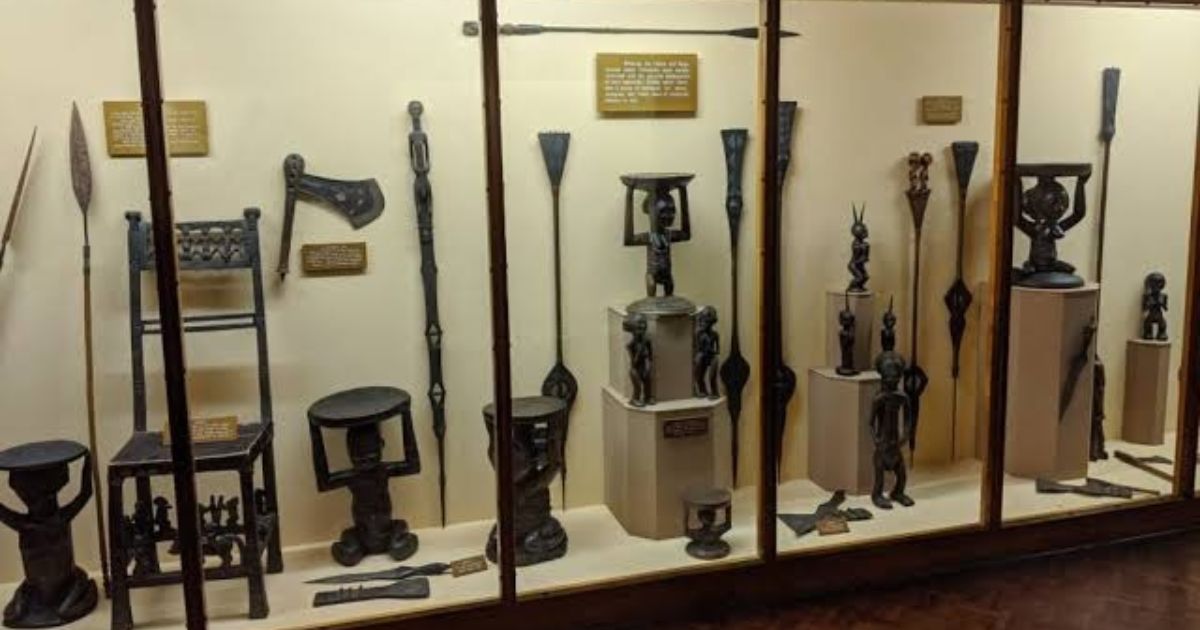
For an introduction to Zimbabwe’s natural and cultural heritage, begin at the Natural History Museum of Zimbabwe.
Located in Centenary Park along Leopold Takawira Avenue, the museum occupies an imposing circular building that is among Bulawayo’s most recognisable landmarks. It opened in 1964 and remains one of the country’s most important museums.
Its extensive collections cover geology, wildlife, archaeology, history and ethnography. Visitors can explore exhibits showcasing Zimbabwe’s mineral wealth, learn about the country’s diverse animal life and discover the historical development of different communities.
One of the museum’s most interesting sections is dedicated to the history and culture of the Ndebele people. Other galleries feature geological specimens, insects, birds and mammals, offering a fascinating overview of the natural world.
The enormous mounted elephant is a particularly memorable exhibit.
The museum is an excellent stop for families, students and international visitors who want to understand Zimbabwe beyond its safari destinations.
Allow at least an hour or two to explore the collections properly.
Location: Leopold Takawira Avenue, Centenary Park, Bulawayo.
Visitor information: The Bulawayo City Council lists opening hours of 09:00–17:00, excluding Christmas Day and Good Friday. Confirm current admission charges before visiting.
2. Explore the Matobo Hills and Matobo National Park
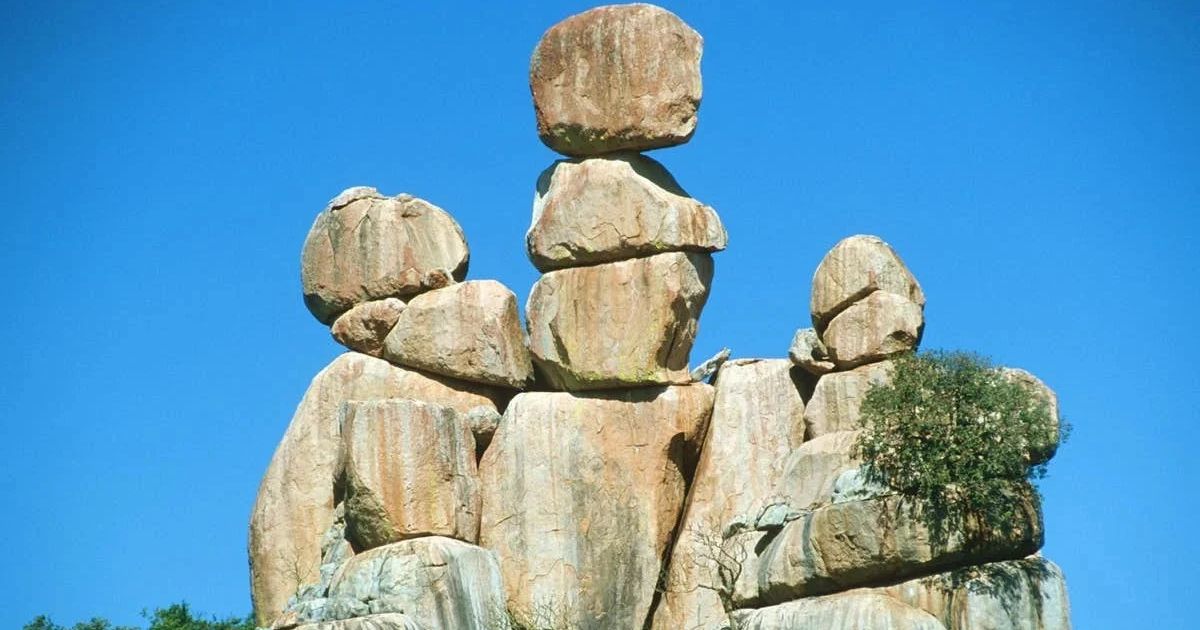
Approximately 35km south of Bulawayo lies one of Zimbabwe’s most extraordinary natural and cultural landscapes: the Matobo Hills. Famous for its spectacular granite formations, ancient rock art, diverse wildlife and remarkable spiritual heritage, the area is among the most rewarding destinations for visitors exploring southern Zimbabwe.
Designated a UNESCO World Heritage Site in 2003, the Matobo Hills cover approximately 205,000 hectares and represent a landscape where nature, history and living cultural traditions are closely intertwined. At the heart of this remarkable region is Matobo National Park, which covers approximately 424 square kilometres and protects some of the area’s most distinctive scenery and wildlife.
The landscape is unlike the familiar open savannah associated with many of Zimbabwe’s other national parks. Enormous granite boulders, balancing rocks and rounded outcrops, locally known as kopjes, rise above the surrounding woodland, creating striking natural formations shaped by millions of years of weathering. Some appear precariously balanced, while others form sheltered caves and elevated viewpoints overlooking the surrounding countryside.
Ancient rock art and cultural heritage
The Matobo Hills contain one of the highest concentrations of prehistoric rock art in Southern Africa. Some paintings date back at least 13,000 years and offer fascinating insights into the lives, beliefs and artistic traditions of the region’s earliest inhabitants.
Sites such as Nswatugi Cave preserve remarkable depictions of animals and human figures, painted on sheltered rock surfaces. Exploring these ancient artworks with a knowledgeable guide offers a glimpse into a world that existed thousands of years before modern Zimbabwe.
The hills also hold profound spiritual significance for local communities. The Mwari religious tradition, centred in the Matobo region, has a long history and remains an important part of local cultural life. Sacred caves, shrines and places of worship among the granite formations continue to connect communities with their ancestral traditions.
Wildlife and game viewing in Matobo National Park
Beyond its remarkable geology and cultural heritage, Matobo National Park is an important wildlife conservation area. It is one of Zimbabwe’s intensive rhino protection zones and is particularly significant for the conservation of both black and white rhinos.
Other animals found in the park include leopard, hyena, sable antelope, impala, giraffe, zebra, wildebeest and ostrich. Its rocky terrain and varied vegetation also support an impressive diversity of birdlife. The park is especially renowned for its black eagles, which can often be seen soaring above the granite hills.
Guided wildlife excursions offer visitors opportunities to explore the park and learn about its conservation efforts. Rhino tracking is among its most sought-after experiences, allowing visitors to observe these remarkable animals in their natural habitat under the supervision of experienced guides.
For birdwatchers, the park is equally rewarding, with its granite cliffs and wooded valleys providing habitats for numerous bird species.
World’s View and the history of Cecil John Rhodes
One of the Matobo Hills’ best-known landmarks is World’s View, situated on the summit of Malindidzimu. The viewpoint offers sweeping views across the surrounding granite landscape and is the burial place of Cecil John Rhodes, founder of the British South Africa Company and a central figure in Zimbabwe’s colonial history.
The site is historically significant but also carries a complicated colonial legacy. Rhodes was buried alongside two other colonial-era figures, Leander Starr Jameson and Sir Charles Coghlan. For visitors interested in Zimbabwe’s history, the location provides an opportunity to reflect on the different historical narratives associated with the region.
Outdoor adventures and exploring the park
For those who enjoy outdoor activities, Matobo offers excellent opportunities for hiking, guided walks, rock climbing, nature photography and exploring its extensive network of granite formations.
Maleme Dam, one of the park’s most popular recreational areas, provides a particularly attractive setting for picnics and outdoor relaxation. Visitors can also enjoy fishing and other water-based activities where permitted. The surrounding scenery makes it a rewarding place to spend time, especially for those staying overnight in the park.
Other parts of Matobo offer opportunities for scenic drives, birdwatching and exploring lesser-known areas away from the main visitor sites.
Whether tracking rhinos, discovering ancient rock paintings, hiking among granite boulders or simply enjoying the tranquillity of the bush, there is plenty to experience. Matobo is not a destination that should be rushed into a few hours of sightseeing. Visitors with sufficient time should consider spending at least a full day exploring the park, or staying overnight to experience more of what the area has to offer.
Location: Approximately 35km south of Bulawayo.
Best experiences: Ancient rock art, guided hiking, rhino tracking, wildlife viewing, birdwatching, World’s View, fishing and photography.
Visitor tip: Arrange guided activities in advance, particularly for rock art excursions and rhino tracking. Some routes require a high-clearance four-wheel-drive vehicle, and visitors should check current park conditions, entry fees and activity arrangements before travelling.
3. Step back in time at the Khami Ruins
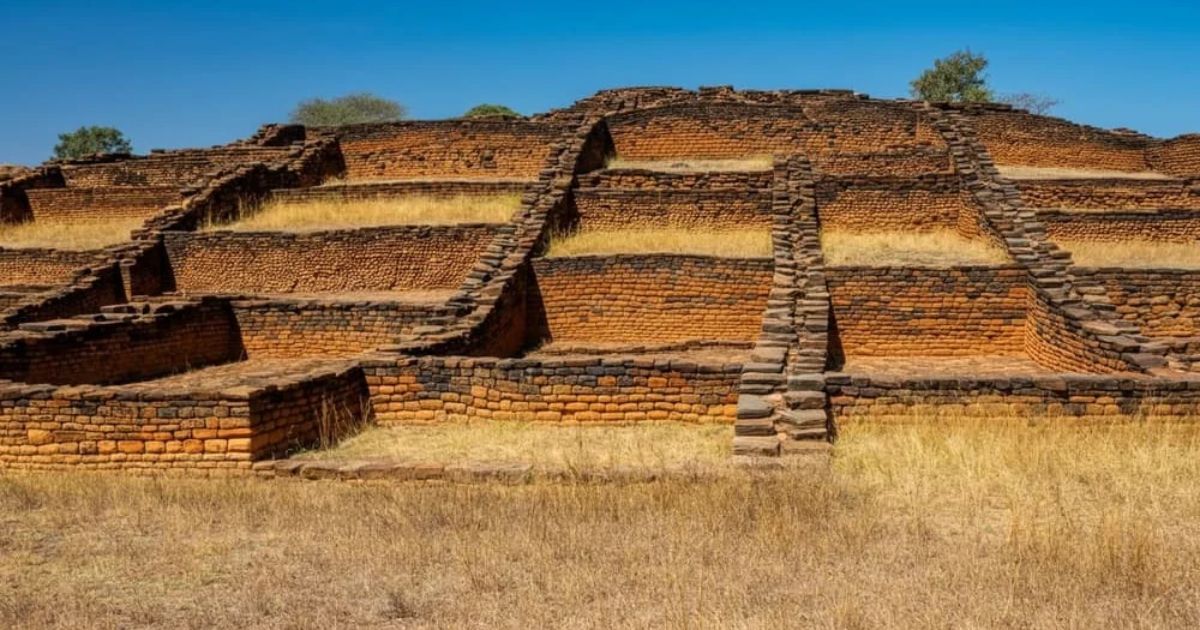
About 22km west of Bulawayo lies Khami Ruins National Monument, one of Zimbabwe’s most important archaeological sites.
A UNESCO World Heritage Site since 1986, Khami was the capital of the Torwa dynasty, which emerged following the decline of Great Zimbabwe. Its development is generally associated with the period between 1450 and 1650.
The site is distinguished by its impressive dry-stone walls, terraced platforms and decorative stonework. Unlike many other archaeological settlements, Khami’s builders incorporated intricate chequerboard and other geometric patterns into their structures.
The remains of elevated residential platforms provide evidence of a complex society with established social, political and economic systems.
Archaeological excavations have also uncovered objects originating from Europe and China, demonstrating that Khami was connected to extensive trading networks.
Walking among the ruins offers an opportunity to appreciate the craftsmanship of the people who built the settlement and the sophistication of pre-colonial African civilisation.
The surrounding landscape, overlooking the Khami Dam, adds to the experience, making the site particularly appealing to visitors interested in photography and history.
A guided visit is recommended, as knowledgeable interpretation brings the archaeological remains to life and helps visitors understand their significance.
Location: Approximately 22km west of Bulawayo.
Best experiences: Exploring the stone structures, learning about the Torwa dynasty, photography and guided historical tours.
Visitor tip: Wear comfortable walking shoes, carry water and confirm opening arrangements and entry fees with the National Museums and Monuments of Zimbabwe.
4. Discover Zimbabwe’s railway heritage at the Bulawayo Railway Museum
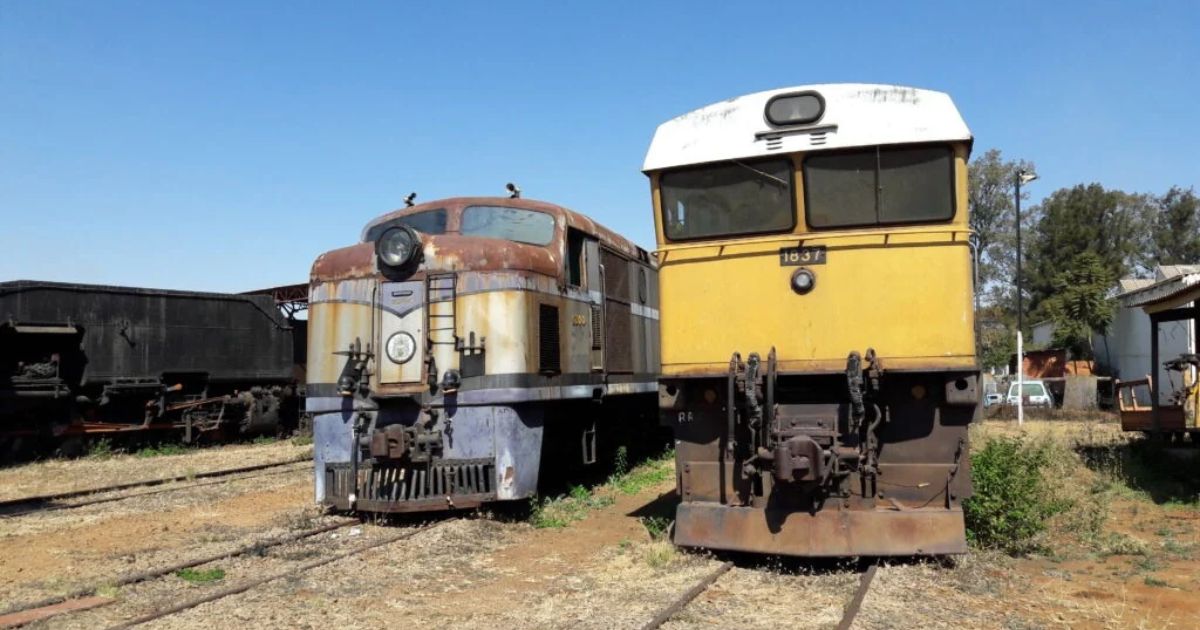
Bulawayo’s history is closely linked to the development of the railway network in southern Africa. For a fascinating look at this legacy, spend time at the Bulawayo Railway Museum.
Established in 1972, the museum is located in the old railway suburb of Raylton, a short distance from the city centre.
Its collection includes historic steam and diesel locomotives, railway equipment, photographs and other memorabilia documenting the development of rail transport in Zimbabwe.
Among its most notable exhibits is the funeral coach associated with Cecil John Rhodes. Another important exhibit is the locomotive known as Jack Tar, recognised for its role in crossing the Victoria Falls Bridge.
Visitors can explore the historic machinery and learn about the people, engineering and infrastructure that helped connect different parts of the region.
The museum also offers an opportunity to appreciate the significance of Bulawayo as an important railway centre during the expansion of the country’s transport network.
For railway enthusiasts, history lovers and families with curious children, it is a worthwhile stop.
Location: Raylton, off Josiah Chinamano Street, Bulawayo.
Visitor information: The National Railways of Zimbabwe lists museum opening hours as 08:00–16:30 daily. Check current arrangements before visiting.
5. Experience Zimbabwean art at the National Gallery of Zimbabwe in Bulawayo
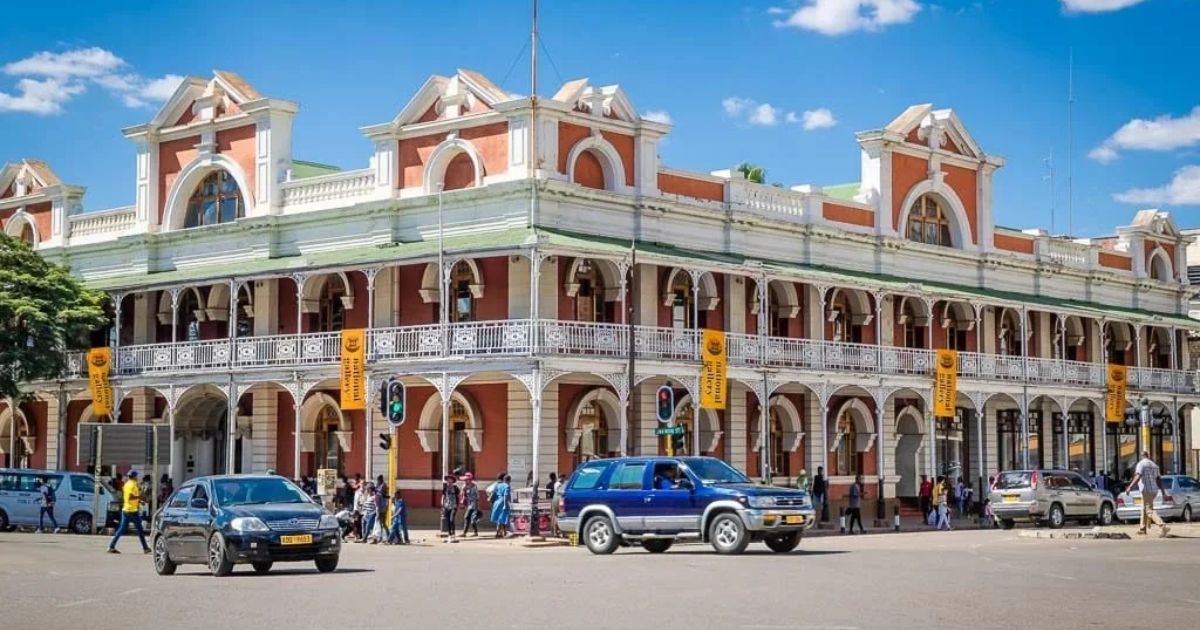
Bulawayo has long been associated with artistic expression, and the National Gallery of Zimbabwe in Bulawayo is one of the best places to experience this creative identity.
Situated at the corner of Leopold Takawira Avenue and 75 Main Street, the gallery provides a platform for established and emerging Zimbabwean artists.
Its exhibitions showcase different forms of visual art, including painting, sculpture, photography and contemporary artistic expression.
What makes a visit particularly rewarding is the opportunity to encounter Zimbabwean stories through the perspectives of the artists themselves. Themes of identity, history, social change and cultural heritage frequently find expression in the country’s creative landscape.
The gallery also contributes to the development of the local arts community through educational initiatives, exhibitions and cultural programmes.
Exhibitions change throughout the year, so visitors may encounter something different depending on when they arrive.
Location: Corner Leopold Takawira Avenue and 75 Main Street, Bulawayo.
Visitor information: The gallery lists opening hours of 09:00–16:30 daily. Check its exhibition programme before visiting.
6. Visit the Mzilikazi Arts and Crafts Centre
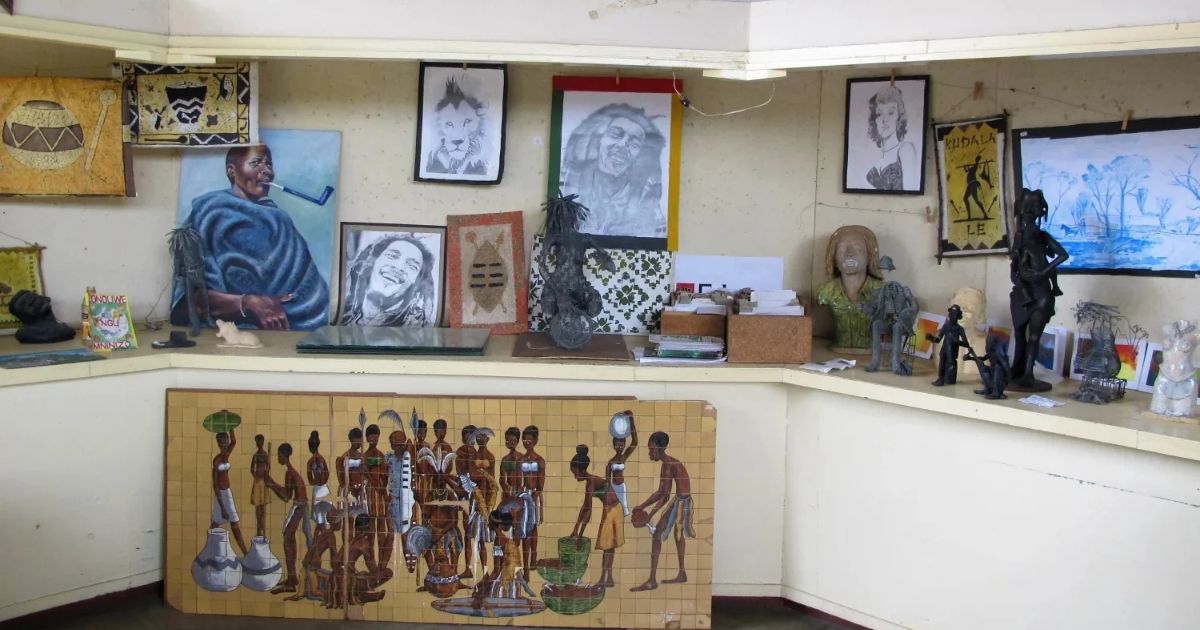
For visitors interested in traditional craftsmanship and locally made souvenirs, the Mzilikazi Arts and Crafts Centre offers a more community-focused cultural experience.
Located in Mzilikazi Township, the centre has a long association with the development and promotion of Zimbabwean arts and crafts.
It is particularly associated with traditional pottery, textiles and other handmade products, offering visitors an opportunity to appreciate the skill involved in producing objects that combine practical use with artistic expression.
Rather than simply browsing through mass-produced souvenirs, visitors can explore locally made crafts and learn more about the techniques and traditions behind them.
It is also an opportunity to support local creative talent and community-based cultural activities.
For travellers looking to take home something distinctly Zimbabwean, handmade pottery and crafts can make particularly meaningful souvenirs.
Consider contacting the centre before travelling to confirm visiting arrangements and whether workshops or demonstrations are available.
Location: Mzilikazi Township, Bulawayo.
Best for: Traditional crafts, souvenirs, cultural experiences and supporting local artisans.
7. Enjoy a wildlife experience at Tshabalala Game Sanctuary
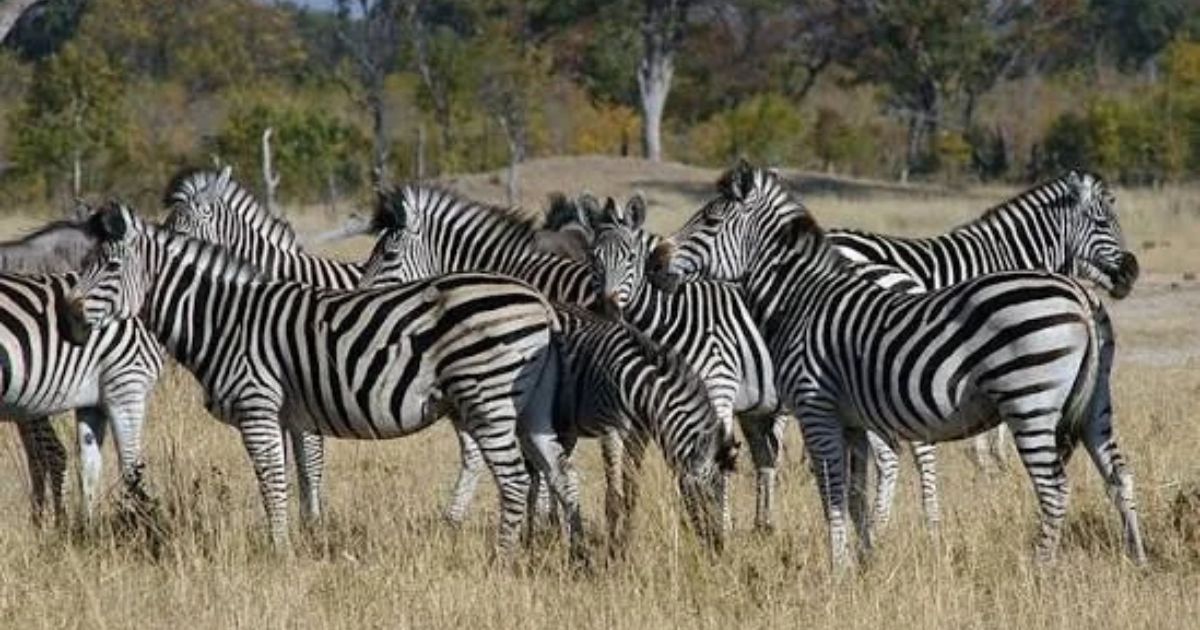
Not every wildlife experience requires a long journey out of Bulawayo.
Situated along the Matopos Road, approximately 12km from the city centre, Tshabalala Game Sanctuary provides an accessible opportunity to experience Zimbabwe’s natural environment.
The sanctuary covers approximately 1,200 hectares of thornveld savannah, creating a habitat for different wildlife and bird species.
Visitors may encounter animals such as zebras, giraffes, impalas and wildebeest, although sightings depend on conditions and the movements of wildlife.
For birdwatchers, the sanctuary is particularly interesting. BirdLife Zimbabwe records more than 200 bird species in the area, including secretarybirds, raptors and several distinctive thornveld species.
Its proximity to the city makes it suitable for a shorter nature excursion, particularly for visitors who cannot commit an entire day to travelling further into the countryside.
The sanctuary can also appeal to photographers and anyone interested in observing the relationship between Zimbabwe’s wildlife and its natural habitats.
Location: Along Matopos Road, approximately 12km from central Bulawayo.
Best for: Birdwatching, wildlife photography and short nature excursions.
Visitor tip: Heavy rains can make some roads impassable. Check access conditions and current ZimParks visitor arrangements before setting out.
8. Spend a day at Hillside Dams Conservancy
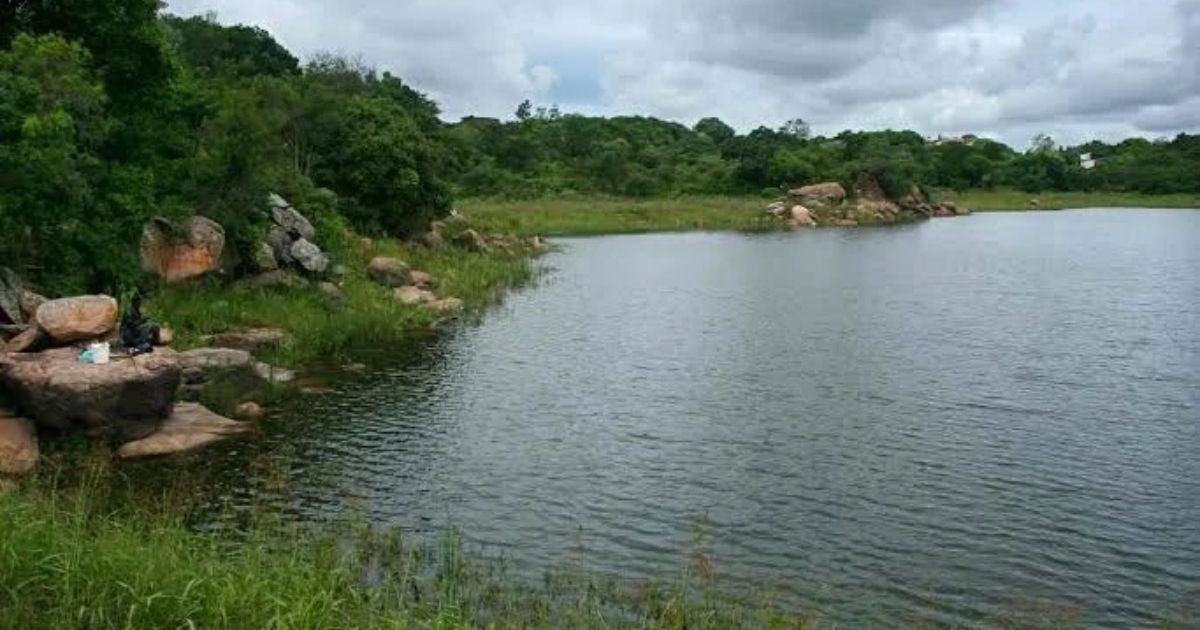
For a more relaxed outdoor experience, Hillside Dams Conservancy is one of Bulawayo’s appealing recreational spaces.
Located off Banff Road in Hillside, approximately six kilometres from the city centre, the conservancy combines natural woodland, granite outcrops, wetlands and water features.
Visitors can enjoy walking, birdwatching, picnics and family activities in a setting that feels removed from the city’s commercial centre.
There are also more adventurous activities, including ziplining, canoeing, archery and other recreational attractions. These make it particularly appealing to families and groups looking for something beyond a conventional sightseeing excursion.
The conservancy has braai facilities, and visitors can bring their own food for an outdoor meal. A restaurant is also available.
Its official visitor information currently lists adult entry at US$3, children under 12 at US$2 and vehicles at US$1. An activity package covering three selected activities is listed at US$10 per person, although individual activities and availability can vary.
The conservancy is also involved in conservation and environmental education, adding another dimension to its recreational role.
Location: Off Banff Road, Hillside, Bulawayo.
Best for: Families, picnics, nature walks, outdoor activities and birdwatching.
Visitor information: The conservancy lists daily opening hours of 06:00–18:00. Swimming is not permitted, and canoeing is supervised. Check its official website for current activities and fees.
9. Explore Old Bulawayo, the former capital of King Lobengula
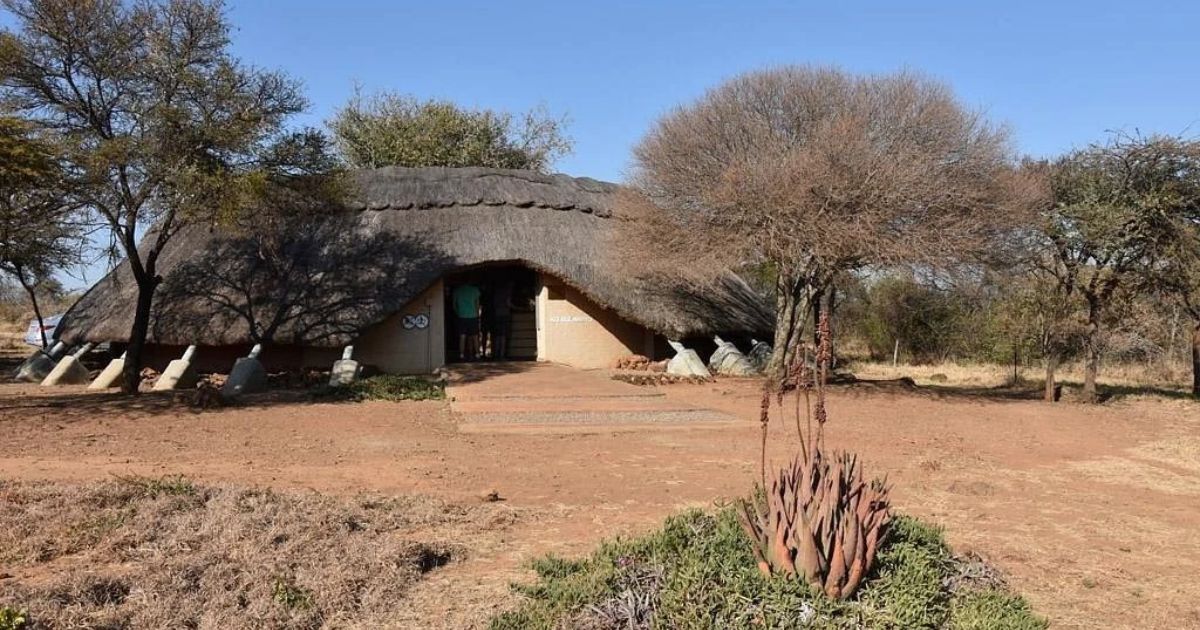
To better understand the historical origins of modern Bulawayo, consider visiting Old Bulawayo, also known as KoBulawayo.
Located approximately 22km south of the modern city, the site was established by King Lobengula in 1870 as his royal capital.
It provides an important link to the history of the Ndebele state and the leadership of the king who succeeded Mzilikazi.
The settlement was occupied until 1881, when Lobengula moved his capital to the present-day city of Bulawayo.
A later reconstruction recreated several traditional structures, including the royal palace, cattle kraal and beehive huts. However, much of this reconstruction was destroyed by a major bush fire in 2010.
The surviving interpretive centre and the historical significance of the site make it an interesting subject for visitors exploring the origins of the city, although travellers should confirm current access and available facilities with the National Museums and Monuments of Zimbabwe before making the journey.
Location: Along Mtshabezi Road, south of Bulawayo.
Best for: Visitors interested in Ndebele history and the origins of Bulawayo.
10. Enjoy Bulawayo’s parks and historic city centre
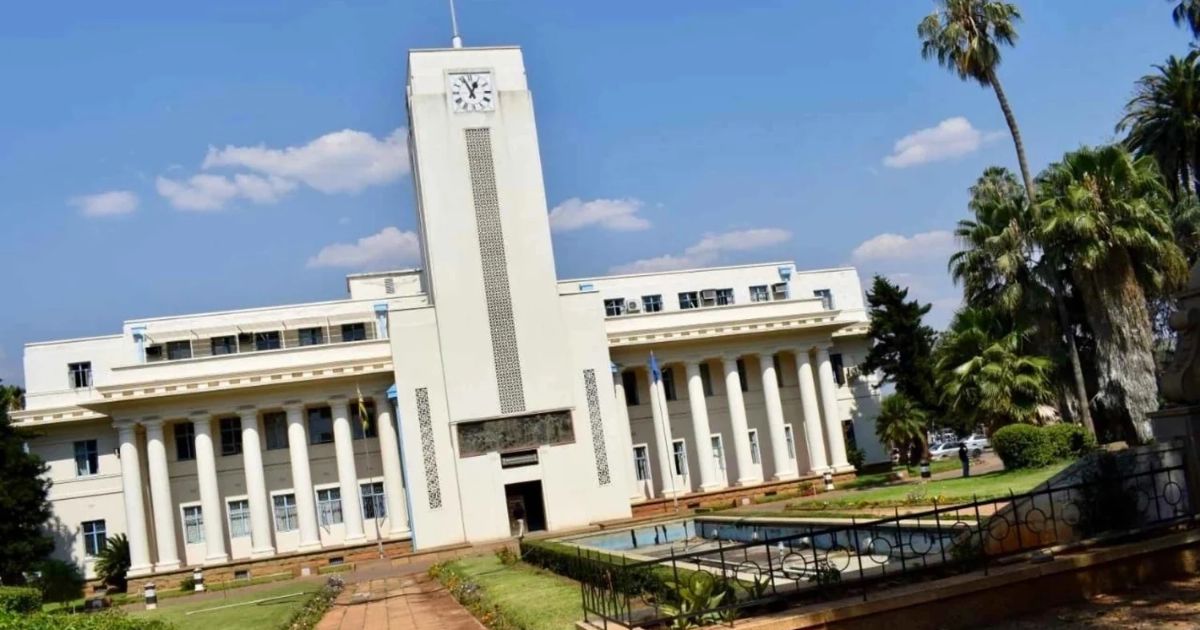
Some of Bulawayo’s appeal lies not in a single attraction but in the experience of exploring the city itself.
Its broad avenues, established trees and historic buildings create an atmosphere that encourages leisurely walks and informal sightseeing.
Begin around the civic centre, where Bulawayo City Hall and the surrounding historic streets provide an introduction to the city’s architectural character.
Centenary Park and the adjoining Central Park offer green spaces where visitors can take a break from sightseeing. The Natural History Museum and Bulawayo Theatre are also located in this part of the city.
For those interested in photography and architecture, simply exploring the central streets can reveal details that are easily missed when travelling between attractions by vehicle.
It is also an opportunity to experience Bulawayo at its own pace, observing the city’s commercial life and the everyday rhythms of its residents.
11. Experience Bulawayo’s theatre, music and cultural festivals
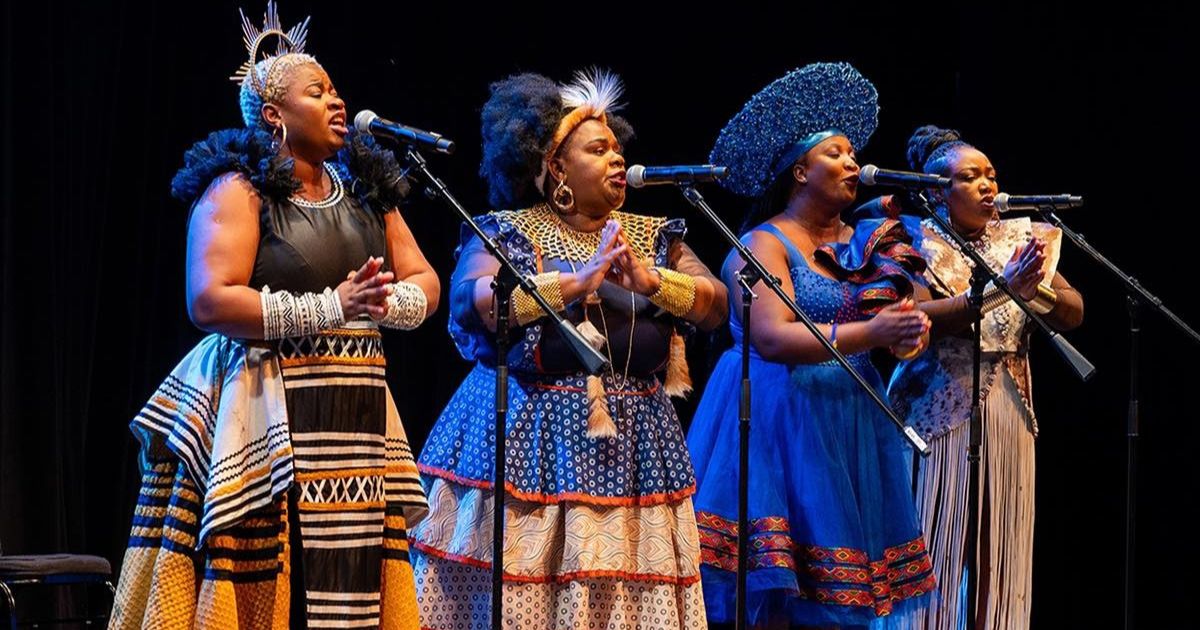
Bulawayo’s cultural life extends beyond its museums and galleries.
The city has a longstanding association with theatre, music, dance and creative performance, making an evening cultural event a worthwhile addition to a visit.
Bulawayo Theatre, located beside Centenary Park, stages productions that have included plays, musicals, comedy and other performances. Local productions provide an opportunity to encounter Zimbabwean storytelling and contemporary social themes.
The Intwasa Arts Festival koBulawayo is another important part of the city’s cultural calendar. The annual event brings together artists, performers, writers, musicians and audiences to celebrate different forms of creative expression.
Depending on when you visit, you may find theatre productions, poetry readings, live music, dance performances and exhibitions taking place around the city.
Check event announcements and venue programmes before travelling, as schedules vary throughout the year.
12. Discover local food, markets and Bulawayo’s social scene
A trip to Bulawayo would be incomplete without experiencing its food and everyday social culture.
Traditional Zimbabwean cuisine remains an important part of local life. Visitors should look out for sadza served with beef, chicken or goat, accompanied by leafy vegetables or traditional dried vegetables.
Other dishes and ingredients, including tripe and locally prepared traditional delicacies, offer an opportunity to explore the country’s culinary heritage.
Markets and craft outlets provide another perspective on the city. They offer opportunities to browse locally made products, discover everyday household goods and interact with traders and artisans.
For visitors interested in contemporary Bulawayo, the city’s restaurants, cafés and entertainment venues provide a different experience. Traditional dishes sit alongside international cuisine, while selected venues host live music and social events.
Those interested in local nightlife can explore the city’s dining and entertainment options, checking current programmes and operating hours before heading out.
How many days should you spend in Bulawayo?
While some visitors treat Bulawayo as a brief stopover, allowing two or three days provides a much more rewarding experience.
One day: Concentrate on the city itself. Visit the Natural History Museum, explore the Railway Museum and National Gallery, and spend some time around the historic centre.
Two days: Add a visit to Khami Ruins or Tshabalala Game Sanctuary, depending on your interests. Spend the evening experiencing local food or catching a theatre performance.
Three days or more: Dedicate a full day to the Matobo Hills. Add Hillside Dams, Old Bulawayo or the Mzilikazi Arts and Crafts Centre to your itinerary, depending on your interests and available time.
This gives you a balance of history, culture, wildlife and outdoor experiences without making the trip feel rushed.
Practical tips for exploring Bulawayo
A little preparation can make sightseeing considerably easier.
- Plan around distances: Some attractions are within the city, while Matobo Hills and Khami require separate excursions. Group nearby attractions together.
- Arrange transport: Taxis, private vehicles and organised excursions are useful for reaching attractions outside the CBD.
- Carry water and sun protection: Zimbabwe’s sunshine can be intense, particularly when exploring open landscapes and archaeological sites.
- Wear comfortable shoes: Museums and city walks are straightforward, but archaeological sites and nature excursions can involve uneven ground.
- Respect heritage sites: Avoid climbing on archaeological structures, disturbing rock art or removing objects from protected areas.
- Support local communities: Consider purchasing crafts directly from local artisans and using knowledgeable local guides.
- Check opening times: Museum, park and gallery schedules can change. Confirm arrangements before setting out.
Frequently asked questions about things to do in Bulawayo
What is Bulawayo best known for?
Bulawayo is best known for its Ndebele cultural heritage, historic architecture, museums and proximity to attractions such as the Matobo Hills and Khami Ruins. It is also an important commercial and cultural centre in Zimbabwe.
What are the must-visit attractions in Bulawayo?
The Natural History Museum, Matobo Hills, Khami Ruins, Railway Museum and National Gallery are among the city’s most worthwhile attractions. Hillside Dams and Tshabalala Sanctuary are good choices for outdoor experiences.
Is Bulawayo worth visiting?
Absolutely. The city offers a combination of history, culture, wildlife and natural attractions that makes it an interesting destination in its own right, rather than simply a stopover on the way to Victoria Falls.
Can you visit the Matobo Hills from Bulawayo in one day?
Yes. The Matobo Hills are approximately 35km south of Bulawayo and can be explored on a day trip. However, visitors interested in several rock art sites, wildlife experiences and guided excursions may prefer to spend longer in the area.
Are there family-friendly activities in Bulawayo?
Yes. The Natural History Museum, Hillside Dams Conservancy, railway museum and selected outdoor attractions offer experiences suitable for families with children.
What is the best time to visit Bulawayo?
The cooler, generally drier months from May to September are popular for outdoor excursions, walking and wildlife activities. The rainy season brings greener landscapes and excellent photography opportunities, although some routes may become difficult to navigate.
Discover the many sides of the City of Kings
Bulawayo is a destination whose appeal extends well beyond its reputation as Zimbabwe’s second-largest city.
Its history is written into the landscape, from the legacy of the Ndebele kingdom to the ancient stone structures of Khami. Its cultural identity lives on in its museums, galleries, craft centres and performing arts, while the remarkable granite formations of the Matobo Hills provide a reminder of how closely nature and history are connected in this part of the country.
For travellers looking for something beyond the conventional safari experience, Bulawayo offers a refreshing combination of heritage, creativity, wildlife and outdoor adventure.
Give it more than a passing visit. Explore its museums, meet its creative community, discover its historic sites and take time to appreciate the landscapes beyond the city.
The City of Kings has plenty of stories to tell.
Further visitor information and useful resources
Museums and heritage
- Natural History Museum of Zimbabwe
- National Museums and Monuments of Zimbabwe
- UNESCO – Matobo Hills
- UNESCO – Khami Ruins
- National Railways of Zimbabwe – Railway Museum
Arts and culture
Nature and recreation
Visitor information and activity prices should be confirmed directly with the relevant institutions and operators before travelling. Opening arrangements, admission fees and activity availability are subject to change.