
For many visitors, a trip to Zimbabwe begins with a familiar list of attractions.
Increasingly, however, culture is becoming part of the journey.
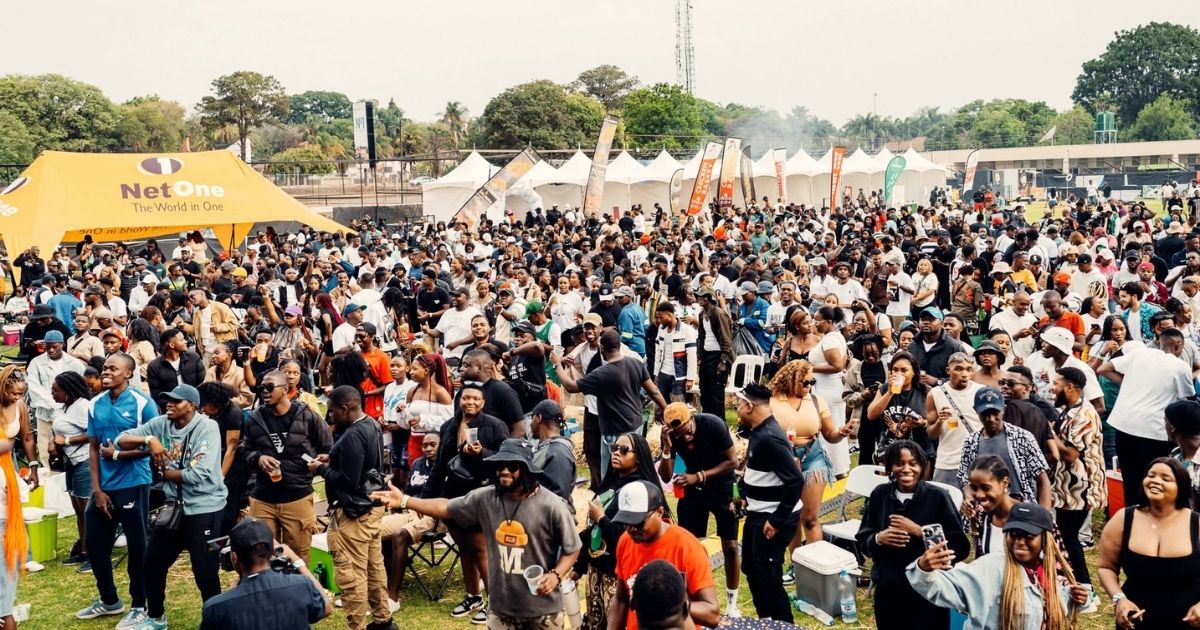
The 263 Culture Fest is positioning itself to become one of those cultural experiences that travellers can build a trip around, bringing music, food, fashion and contemporary Zimbabwean identity together in Harare.
The festival’s fourth edition will take place at Thorn Park Polo Grounds on 17 October 2026, with South African Afro-house DJ and producer Shimza confirmed as the first artist on the lineup.
More performers are expected to be announced in the run-up to the event
For Zimbabwe’s tourism industry, that ambition is worth watching.
Major festivals are increasingly becoming more than entertainment events. They can influence where people travel, when they travel and how long they stay, particularly when an event offers visitors an experience that cannot easily be replicated elsewhere.
That is the opportunity 263 Culture Fest is now pursuing.
DJ Shimza gives the festival an international starting point

The decision to begin the 2026 lineup with Shimza is significant because his audience extends beyond South Africa.
Shimza has built a reputation as an internationally touring electronic music artist, with a style rooted in Afro-house and a presence on major festival stages outside the continent.
His arrival in Harare gives the festival an immediate regional draw while also reinforcing its focus on African musical talent.
For visitors travelling from South Africa, Zambia, Botswana or further afield, a major performance can provide the anchor for a weekend in Harare.
And for organisers, the artist announcement is only the beginning.
Tapfuma “T-Mula” Nzara, creative director of 263 Culture Fest, said the festival had taken longer to finalise this year’s artists because of a desire to build a lineup around the overall experience rather than simply chase headline names.
That approach could be important as the event moves towards its longer-term ambition of becoming a destination festival.
What is a destination festival?
A destination festival is different from a conventional local concert.
The idea is simple: people do not merely attend because they live nearby. They travel specifically to be there.
That changes the economic footprint of an event.
A visitor arriving in Harare for 263 Culture Fest may need a hotel or guesthouse, airport transfer, restaurants, transport around the city and activities before or after the festival.
A weekend built around the event could therefore spread spending well beyond the festival grounds.
This is one reason cultural tourism has become increasingly important to destinations around the world.
Zimbabwe already has many of the ingredients needed to make that model work: internationally known attractions, a strong music and arts scene, distinctive food and a growing calendar of festivals and cultural events.
The challenge is connecting those experiences.
263 Culture Fest appears keen to become part of that connection.
Nzara said the long-term vision is for someone planning a trip to Harare or Zimbabwe to deliberately align their visit with the festival because of what it offers.
That means the festival is no longer being viewed simply as a one-day music event.
It is being presented as an entry point into Zimbabwean culture.
A different way to experience Harare
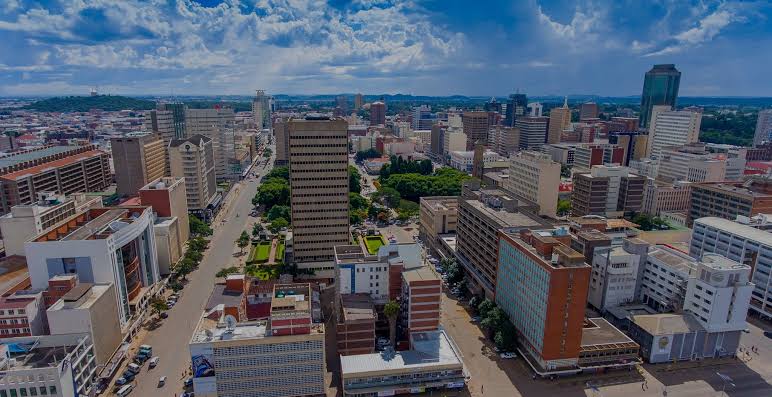
For international visitors, Harare is sometimes treated as a transit point before a journey to the country’s better-known tourism destinations.
But the capital has its own attractions, and an event such as 263 Culture Fest offers a different way of experiencing the city.
Harare is home to galleries, restaurants, gardens, independent creative spaces, craft businesses and a lively contemporary music scene.
A festival weekend can bring those elements together in a way that a conventional sightseeing itinerary cannot.
Visitors arriving for the October event could combine the festival with time to explore Harare’s food scene, shop for locally made products, visit cultural institutions, or simply spend time in the city’s different neighbourhoods.
That can make the journey feel less like a concert trip and more like a city break.
For Zimbabweans living abroad, the festival could also offer another reason to return home during a period that might otherwise not be part of their travel plans.
Beyond the stage: food, fashion and Zimbabwean culture
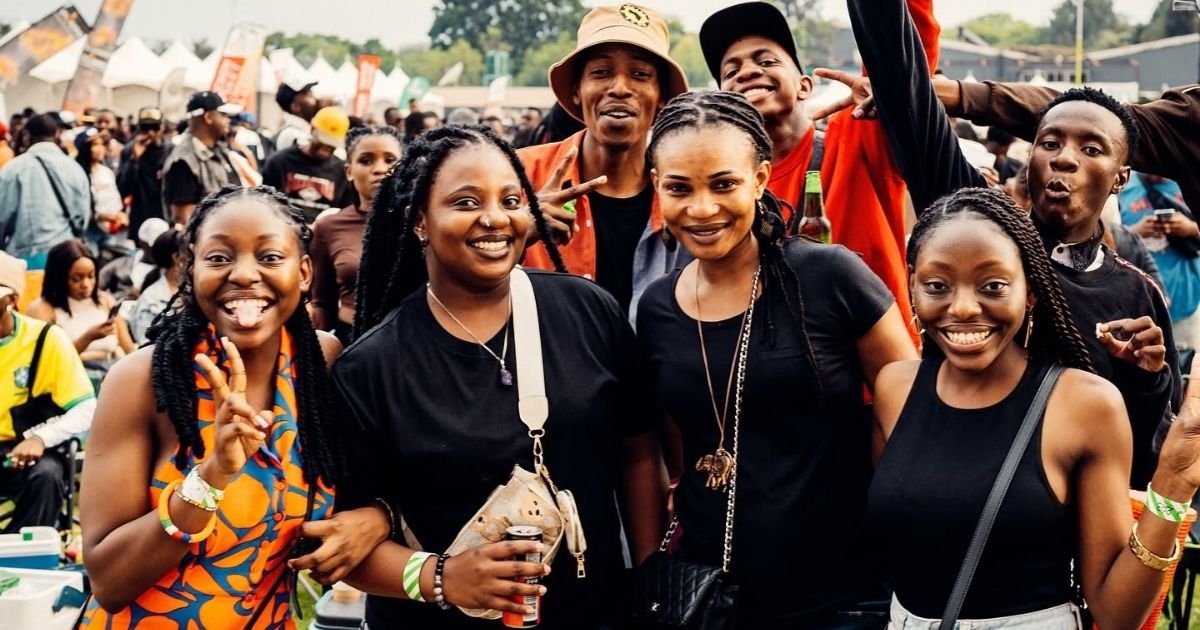
One of the biggest changes planned for 263 Culture Fest in 2026 is the expansion of the event beyond music.
Organisers say they are increasingly treating the festival as a cultural and lifestyle experience, with additional activations and things for visitors to see and do during the day.
That could be particularly important for tourists.
Music may be the initial reason for making the trip, but the surrounding experiences can become the parts visitors remember.
Food, for example, can be one of the strongest ways to introduce travellers to a destination.
Zimbabwean dishes and locally produced food can tell a story about the country just as effectively as a museum or heritage site. A festival provides a natural setting for that experience, particularly when food is presented alongside music, fashion and contemporary art.
The organisers have described 263 Culture Fest as a celebration of Zimbabwean identity and Southern African creative culture. It places music alongside fashion, lifestyle and community as key parts of the event.
That gives the festival a potentially important role in showing visitors a modern Zimbabwe rather than a country defined only by its wildlife and heritage attractions.
Lessons from 2025: making a bigger festival work
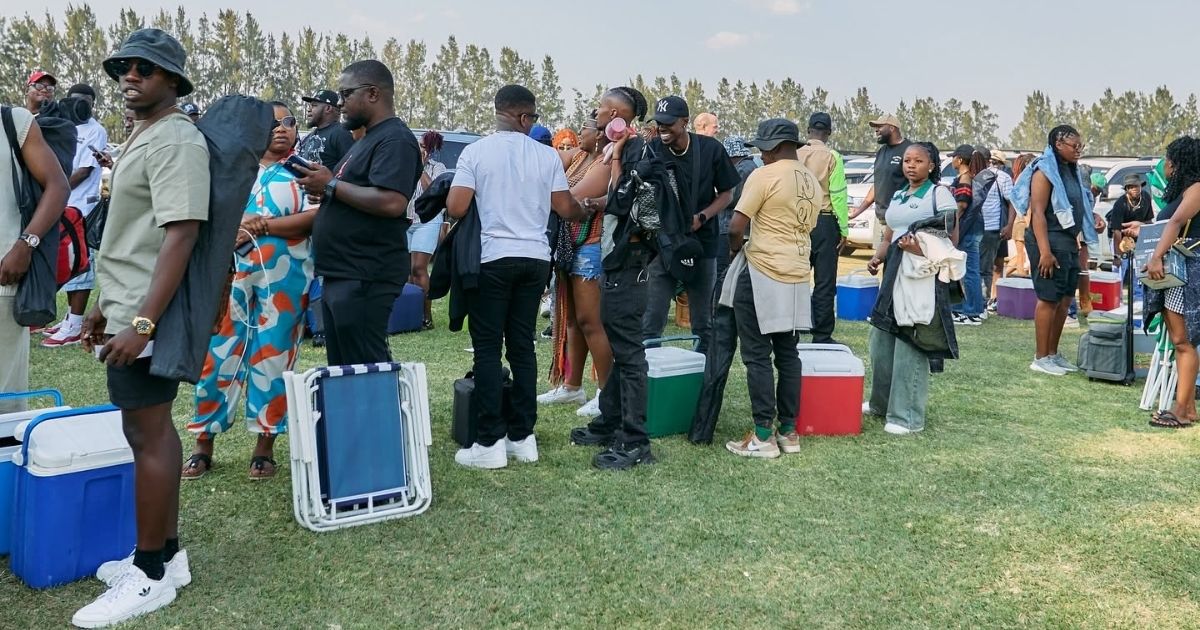
The rapid growth of the festival has also brought practical challenges.
The 2025 edition was the first held at Thorn Park Polo Club and attracted a large audience. Organisers say the experience exposed areas that needed improvement, particularly around entry, food and beverage services, space and the movement of people through the venue.
Those lessons are now being built into the 2026 planning.
The food situation is receiving particular attention, with organisers promising additional food stalls and greater capacity after demand exceeded expectations last year.
For visitors travelling specifically for the festival, those details matter.
A destination event has to offer more than a strong headline act. People who have travelled hundreds or thousands of kilometres to attend are also evaluating the ease of getting into the venue, finding food, moving around the site and enjoying the day comfortably.
Ticket sales suggest the festival has built a loyal audience
There is another reason the event’s tourism potential is growing: people were buying tickets before a single artiste was announced.
According to Nzara, ticket sales began before the artist programme was revealed and have already reached Phase 3.
That suggests the festival has built a following beyond the appeal of any single performer.
Tickets are currently listed through the festival’s sales channels, with available ticket categories including early-release options and VIP packages.
For a destination event, that early commitment is significant.
It means the festival is increasingly selling an established experience rather than relying entirely on a last-minute response to the lineup.
A festival weekend could unlock more of Zimbabwe
The real tourism opportunity may begin after the music stops.
Visitors travelling to Zimbabwe for 263 Culture Fest could extend their trip into a longer holiday, using Harare as the starting point.
The country is within relatively easy reach of several major tourism experiences, although travel times and transport arrangements vary.
A visitor could spend a few days in Harare around the festival and then continue to destinations such as Victoria Falls, Hwange National Park or the Great Zimbabwe monument.
That creates an interesting model for tourism businesses.
Instead of competing for visitors only when they are choosing between safari destinations, hotels or adventure activities, Zimbabwe can increasingly give travellers multiple reasons to come, and multiple reasons to stay longer.
Festivals are particularly useful because they create fixed dates.
Unlike a general holiday, where a traveller can decide to visit almost any time of year, an event encourages people to plan around a specific weekend.
That can help tourism operators build packages around accommodation, transfers, excursions and activities before and after the festival.
Why October could be a good time to visit Harare
The timing of 263 Culture Fest also allows travellers to explore Harare outside the busiest traditional holiday periods.
October falls in Zimbabwe’s warmer spring season, ahead of the onset of the summer rains.
For visitors combining the festival with outdoor activities, this can make for a useful period to explore the city and surrounding areas, although weather conditions can vary.
The broader point is that a festival date can help travellers discover that Zimbabwe is a year-round destination rather than a place to visit only for one iconic attraction.
The bigger picture for Zimbabwe’s cultural tourism
Zimbabwe has long had a powerful cultural identity, but the tourism conversation has often focused on natural and historical attractions.
Events such as 263 Culture Fest offer another way to tell the country’s story.
They put contemporary Zimbabwean creativity in front of regional and international audiences at a time when African music, fashion, food and popular culture are gaining increasingly global attention.
The 263 Culture Festival is a meeting point between Zimbabwean pride and Southern African creative culture, with an ambition to create a bridge between Harare and the wider world.
That ambition is particularly relevant for Zimbabwe’s tourism sector.
A visitor arriving because of a festival may leave having discovered a restaurant, a local designer, a musician, an arts space or another attraction they had not known about before.
In that sense, the value of the event extends beyond ticket sales.
Planning a Zimbabwe trip around 263 Culture Fest
For visitors coming from outside Harare, the most rewarding approach may be to treat the festival as one part of a broader Zimbabwe itinerary.
A two- or three-night stay in Harare could cover the festival and the city’s cultural and food attractions, while a longer holiday could incorporate one of Zimbabwe’s major safari or heritage destinations.
That is the proposition 263 Culture Fest is beginning to offer: come for the music, stay for the culture, and use the festival as a gateway to Zimbabwe.