
Zimbabwe to Translocate Wildlife to Equatorial Guinea
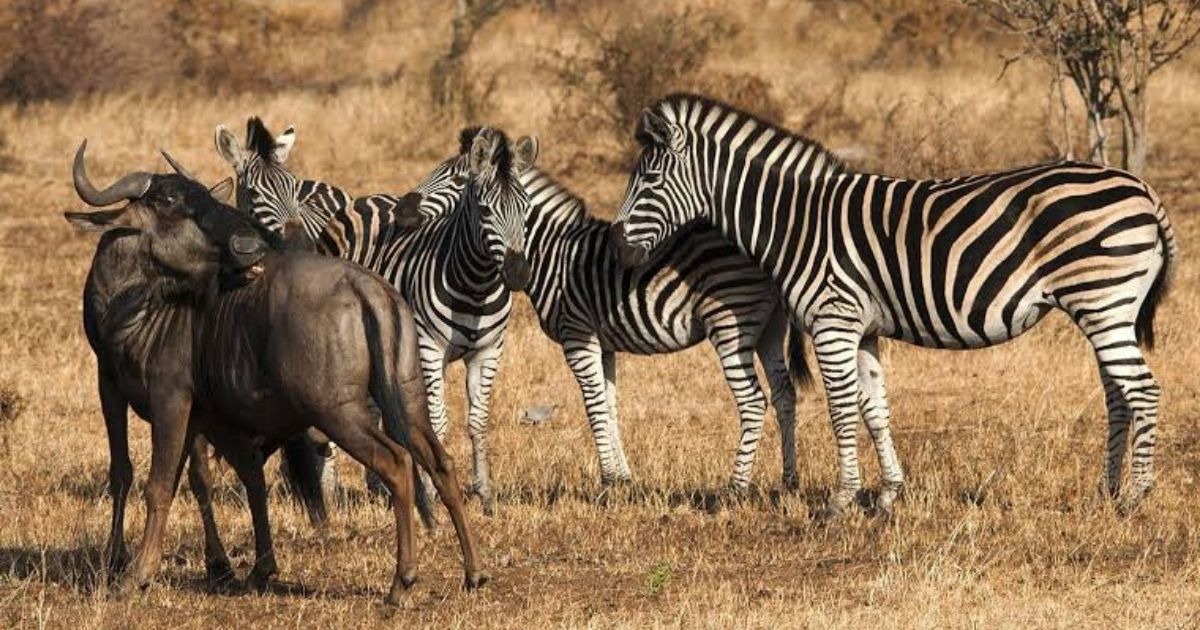
Zimbabwe has announced plans to relocate a limited number of selected plains game species to Equatorial Guinea as part of a government-to-government conservation partnership designed to restore wildlife populations and strengthen biodiversity in the Central African nation.
The Zimbabwe Parks and Wildlife Management Authority (ZimParks) confirmed the initiative in a statement issued on 8 July 2026, saying the operation follows a formal request from the Government of Equatorial Guinea for technical assistance in rebuilding wildlife populations within its protected areas.
Authorities stressed that the programme is a conservation initiative rather than a commercial wildlife sale, adding that it has been carefully planned to ensure it does not negatively affect Zimbabwe’s own wildlife populations.
Government-to-Government Conservation Initiative
According to ZimParks, the wildlife translocation forms part of an approved conservation cooperation arrangement between the Republic of Zimbabwe and the Republic of Equatorial Guinea.
The authority said the programme aims to support the restoration of wildlife populations in Equatorial Guinea while promoting biodiversity conservation, ecotourism development and sustainable livelihoods for communities living around protected areas.
Wildlife translocations have become an increasingly important conservation tool across Africa, allowing countries with healthy animal populations to assist nations seeking to restore ecosystems that have been affected by habitat loss, poaching or declining wildlife numbers.
Zimbabwe is widely regarded as one of Africa’s leading wildlife management countries, with decades of experience in protected area management, anti-poaching operations and species conservation.
Which Animals Are Being Translocated?
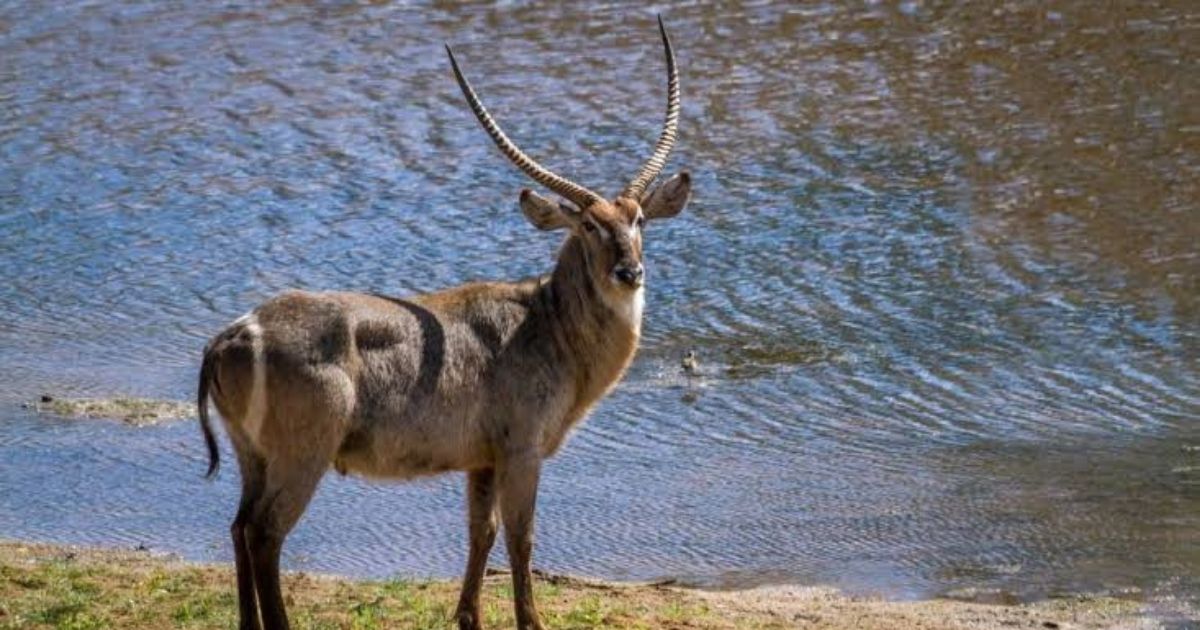
While ZimParks did not disclose the exact species or the number of animals involved, it said the operation concerns common plains game species that exist in healthy and sustainable populations in Zimbabwe.
Plains game generally refers to herbivorous mammals commonly found in African savannah ecosystems, including species such as:
- Impala
- Waterbuck
- Eland
- Sable antelope
- Kudu
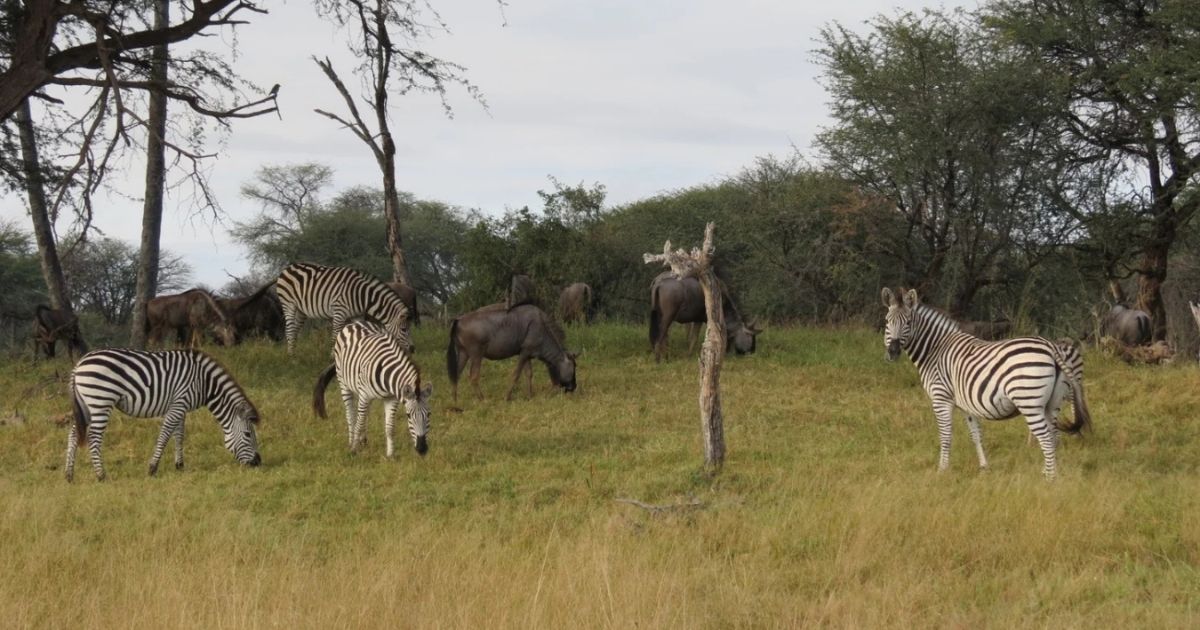
- Zebra
- Wildebeest
- Reedbuck
- Bushbuck
Authorities have not confirmed which of these species will form part of the current programme.
ZimParks also clarified that none of the animals involved are threatened or endangered species, helping address concerns that Zimbabwe may be exporting vulnerable wildlife.
Scientific Assessments Conducted
Before approving the operation, wildlife experts carried out ecological and habitat suitability assessments to determine whether the selected release sites in Equatorial Guinea could support the animals.
According to ZimParks, the studies confirmed that the habitats are suitable and that the introduction of the animals would contribute to long-term conservation objectives.
The authority added that similar scientific assessments were also undertaken in Zimbabwe to ensure the removal of selected animals would not have any adverse effects on biodiversity, ecosystem integrity or existing wildlife populations.
Such assessments are standard practice in wildlife translocation projects and typically examine:
- Population size
- Breeding rates
- Genetic diversity
- Habitat carrying capacity
- Disease risks
- Long-term ecological sustainability
Zimbabwe Says Wildlife Populations Will Not Be Affected
Wildlife exports often attract public attention, particularly in countries known for their rich biodiversity.
To address potential concerns, ZimParks said the selected animals come from healthy and sustainable populations and that their removal has been guided by scientific evidence.
The authority maintained that Zimbabwe’s biodiversity, ecological integrity and wildlife numbers would remain secure following the operation.
Zimbabwe is home to some of Africa’s largest wildlife populations, including significant numbers of elephants, buffalo, lions, leopards, antelope species and rhinoceroses.
The country manages wildlife across an extensive network of national parks, safari areas, conservancies and communal wildlife management programmes.
Animal Welfare Standards
ZimParks said experienced wildlife professionals are overseeing every stage of the capture, handling and transportation process.
The authority said the operation complies with:
- Zimbabwean wildlife legislation
- Internationally accepted animal welfare standards
- International Air Transport Association (IATA) Live Animals Regulations
The IATA regulations establish internationally recognised procedures for transporting live animals by air, including standards relating to animal welfare, safety, crate specifications and veterinary oversight.
Wildlife translocations typically involve veterinarians, ecologists, capture specialists and logistics experts working together to minimise stress on the animals throughout the journey.
Why Equatorial Guinea Needs Wildlife
Although Equatorial Guinea contains significant tropical forests and protected areas, some wildlife populations have declined over several decades due to pressures including habitat degradation and illegal hunting.
Restoring key herbivore populations is often regarded as an important first step in rebuilding healthy ecosystems, as grazing animals play a crucial role in maintaining vegetation balance and supporting predator populations.
Conservation partnerships between African nations have become increasingly common as governments seek regional solutions to biodiversity loss and ecosystem restoration.
Zimbabwe’s Growing Role in African Conservation
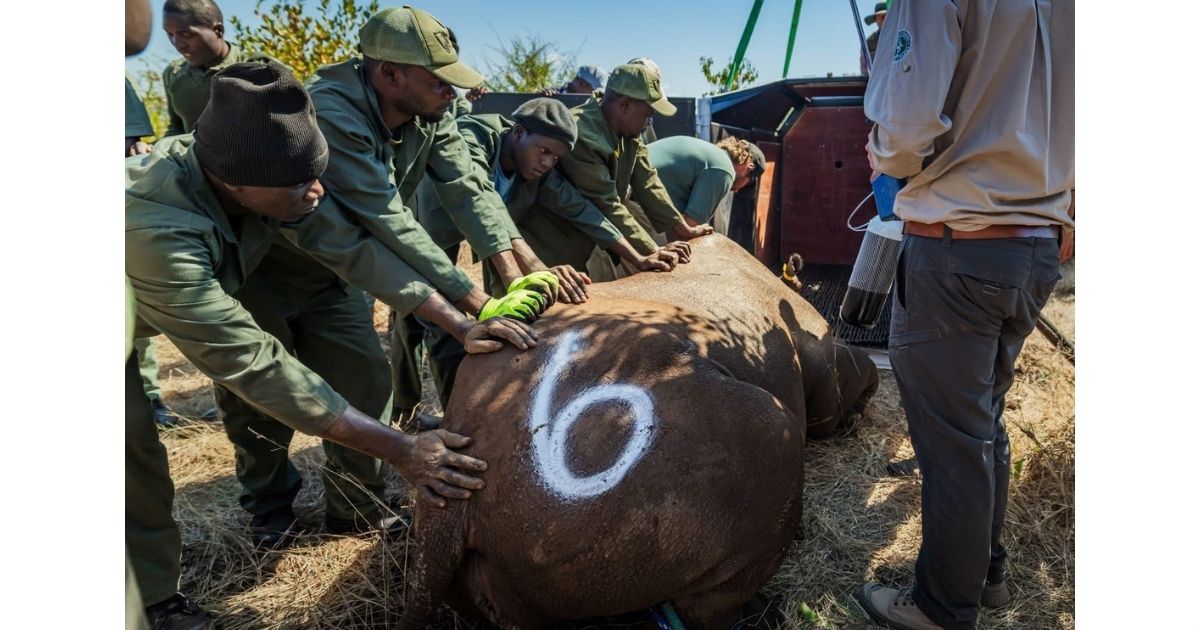
Zimbabwe has earned international recognition for its wildlife management expertise.
ZimParks has previously participated in several major conservation programmes involving:
- Rhino conservation
- Elephant management
- Wildlife monitoring
- Protected area restoration
- Cross-border conservation initiatives
The country also plays a significant role in the Kavango-Zambezi (KAZA) Transfrontier Conservation Area, one of the world’s largest transboundary conservation landscapes spanning Zimbabwe, Botswana, Zambia, Namibia and Angola.
Zimbabwe’s experience in wildlife capture and relocation has made it a key partner in regional conservation efforts.
Public Interest and Wildlife Translocations
Wildlife translocations frequently generate debate among conservationists and members of the public, particularly when animals are moved across international borders.
Supporters argue that relocating surplus animals from healthy populations can help restore degraded ecosystems elsewhere while reducing pressure on habitats where animal numbers have grown significantly.
Critics often call for greater transparency regarding the species involved, destination sites and long-term monitoring of relocated wildlife.
By issuing a public statement, ZimParks sought to reassure stakeholders that the current operation is lawful, professionally managed and based on scientific evidence.
ZimParks Reaffirms Conservation Commitment
In its statement, ZimParks reaffirmed Zimbabwe’s commitment to responsible wildlife management and regional cooperation.
The authority said the programme demonstrates Zimbabwe’s willingness to work with fellow African nations in advancing practical conservation solutions that promote resilient ecosystems and sustainable development.
It also pledged to continue providing accurate information on matters relating to national conservation.
As Africa increasingly embraces collaborative approaches to biodiversity conservation, the Zimbabwe–Equatorial Guinea wildlife partnership highlights how established wildlife management expertise can be used to help restore ecosystems beyond national borders while maintaining healthy animal populations at home.